
Fire Safety Compliance in Children's Playgrounds: Critical Regulatory Considerations
Essential Fire Safety Protocols and Regulatory Guidelines for Safe Operation of Playground Equipment and Amusement Rides
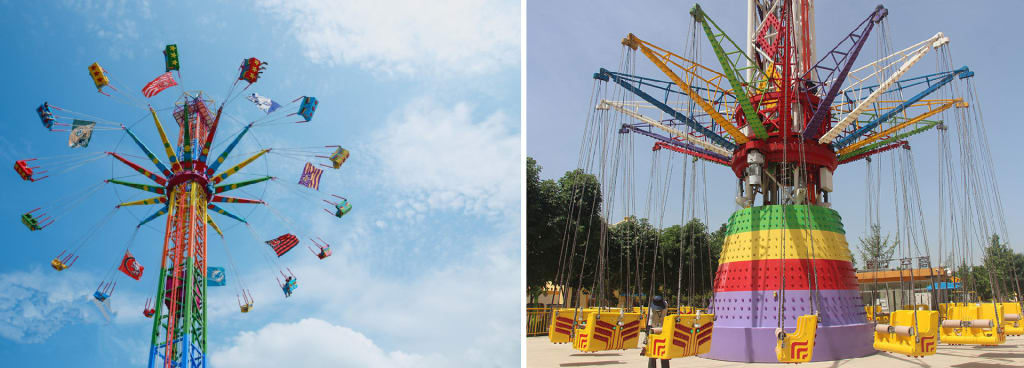
Children’s playgrounds, particularly those incorporating complex attractions such as a pirate ship fairground ride or a swing tower, require stringent adherence to fire safety regulations. Unlike static playground structures, these amusement-type installations involve moving parts, electrical systems, and higher occupancy—heightening the potential for fire hazards. Ensuring regulatory compliance in these environments is not merely a legal mandate but a fundamental aspect of risk mitigation and public safety stewardship.
Regulatory Framework
Fire safety in playgrounds is governed by a composite of national fire codes, local authority requirements, and international safety standards. In the UK, for example, the Regulatory Reform (Fire Safety) Order 2005 is central, while in the US, the National Fire Protection Association (NFPA) codes apply. Supplementary to these are industry-specific standards such as EN 1176 and EN 13814, which provide detailed guidance on playground and amusement ride safety.
Duty Holder Responsibilities
Operators and site owners bear the primary legal responsibility for fire safety. This includes conducting fire risk assessments, ensuring suitable fire detection systems, and implementing protective measures. In playgrounds containing structures like a swing tower or a pirate ship fairground ride, this responsibility extends to routine inspections, mechanical integrity checks, and emergency evacuation planning.
Fire Risk Assessment
A comprehensive fire risk assessment is the foundational requirement. This involves:
Identification of ignition sources: Electrical panels, ride motors, and heating systems must be evaluated.
Recognition of fuel loads: Timber play structures, synthetic surfaces, and foam components can propagate fire rapidly.
Evaluation of occupancy levels: Playgrounds with high visitor density increase evacuation complexity.
Analysis of vulnerable individuals: Children and guardians with restricted mobility necessitate special evacuation considerations.
The assessment must be documented, regularly reviewed, and updated following any significant changes in the site layout or equipment.
Material Specification and Reaction to Fire
Materials used in playground construction must comply with fire resistance classifications. Polymeric materials, textiles, and wood treatments should be selected based on their Euroclass or UL94 ratings. Flame-retardant coatings and non-combustible materials are strongly recommended, particularly in ride exteriors and enclosures.
For example, the outer shell of a pirate ship fairground ride often comprises fiberglass or veneered wood. Both materials must be tested for flame spread and smoke production indices. Internal components, such as seating or padding, must also adhere to reduced flammability standards.
Electrical Safety and Isolation Protocols
Electrical installations pose a significant ignition risk if not properly managed. All rides, including swing tower types, should utilize circuit protection devices (RCDs), thermal overload relays, and surge suppressors. Wiring must be enclosed in fire-resistant conduit, and control panels should have lockable enclosures to prevent unauthorized access.
Isolation protocols must be clearly defined. Emergency power shutdown mechanisms should be visible, accessible, and operable without special tools. Clear labeling and periodic functional testing are essential.
Fire Detection and Alarm Systems
Playgrounds with enclosed structures or large-scale equipment require early warning systems. Smoke detectors, heat sensors, and manual call points must be installed in strategic locations. Given the open-air nature of most playgrounds, wireless fire alarm systems are often preferable, offering greater flexibility and reduced installation constraints.
The acoustic characteristics of alarms must account for ambient noise levels. High-decibel outputs and visual indicators such as strobe lights are recommended for loud environments or where children with hearing impairments are expected.
Egress Design and Emergency Access
Safe egress is critical, especially when elevated platforms or enclosed rides are present. Pathways must be unobstructed, clearly marked, and sufficiently wide to accommodate simultaneous evacuation. Materials for surfacing—such as rubber crumb or artificial turf—must not hinder movement under emergency conditions.
In the case of a swing tower, evacuation ladders, platforms, or hydraulic lowering mechanisms may be necessary. For pirate ship fairground ride installations, anchoring systems must allow rapid dismounting procedures in the event of an incident.
Emergency access routes for fire and rescue services must also be planned and maintained. This includes appropriate turning radii for emergency vehicles and the presence of fire hydrants or extinguishing media within accessible distance.
Firefighting Equipment and Training
The strategic deployment of firefighting apparatus is mandatory. Extinguishers must be selected based on the potential fire classes—Class A (combustibles), B (flammable liquids), and C (electrical fires) are the most relevant for playgrounds.
Fie blankets, water hoses, and automated suppression systems may also be appropriate for certain attractions. On-site personnel must receive training in equipment usage, evacuation coordination, and basic fire response techniques.
Maintenance Regime
Routine inspection and maintenance underpin fire compliance. All mechanical and electrical systems associated with rides like the pirate ship fairground ride must undergo periodic servicing as per manufacturer recommendations and local codes. Logs should be meticulously kept, including:
Inspection intervals
Maintenance actions
Component replacements
Any rctified non-compliance issues
Third-party certifications can enhance credibility and demonstrate a proactive approach to safety compliance.
Signage and Public Communication
Proper signage facilitates informed behavior and rapid response during emergencies. Fire exit signs, no smoking indicators, and instructional placards must be weather-resistant and mounted at appropriate eye levels for both adults and children.
Multilingual signs or pictograms should be employed in areas with a diverse demographic. Safety briefings before boarding rides—especially mechanically propelled ones like a swing tower—should include clear fire response instructions.
Summary
Fire safety compliance in children's playgrounds is a complex yet essential endeavor. It encompasses not just the passive aspects of design and material selection, but active systems of detection, evacuation, and response. When amusement-style installations such as a swing tower or pirate ship fairground ride are present, the scope of compliance widens significantly.
Failure to adhere to these principles not only jeopardizes lives but exposes operators to severe legal and reputational consequences. Proactive planning, rigorous assessment, and ongoing vigilance are non-negotiable components of fire safety in modern playground environments.
About the Creator
Beston Amusement Rides
As a leading amusement facility manufacturer, we provide safe and interesting amusement equipment to customers around the world, including roller coasters, Ferris wheels, pirate ships and so on.
Website:https://bestonamusementrides.com/
Keep reading
More stories from Beston Amusement Rides and writers in Journal and other communities.
Star Power in Motion: The Fan Effect of Celebrity Endorsements on Amusement Rides
The convergence of celebrity culture and the amusement park industry has created a potent marketing fusion. When public figures lend their name or image to specific rides, an otherwise static piece of machinery gains kinetic emotional value. Fans are not just buying tickets—they’re buying a moment tethered to a famous persona. This phenomenon, referred to as the “fan effect,” catalyzes not only increased attendance but also longer engagement durations and stronger brand loyalty.
By Beston Amusement Rides8 months ago in Journal
Author’s Advice
If you would’ve asked me 20 years ago did I know I’d become a writer and an author, I would’ve said “nope, ain’t happening”. As fate would have it I did become an author and I can honestly say I’m loving it so far. It really does feel good to be a writer. I’ve learned a lot on this journey and I feel like with even me being as new to this world as I am, there’s some wisdom I need to share with every other aspiring author.
By Joe Patterson3 days ago in Journal
Pakistan's Geopolitical Chess Master
Pakistan: The Chess King Who Keeps the Whole World Guessing ♟️ On the world's most complex geopolitical chessboard, Pakistan is currently making moves so unconventional that even grandmasters are scratching their heads. General Asim Munir sits like a king on the throne, yet his strategies are keeping ministers, ambassadors, generals, and diplomats alike in a state of delightful confusion. In a game where every nation plays for survival, Pakistan isn't just surviving—it's orchestrating.
By Literary fusion7 days ago in Journal




Comments
There are no comments for this story
Be the first to respond and start the conversation.