
Fire Extinguishers for the home:Essential tips for Fire safety
Essential Tips for Fire Safety
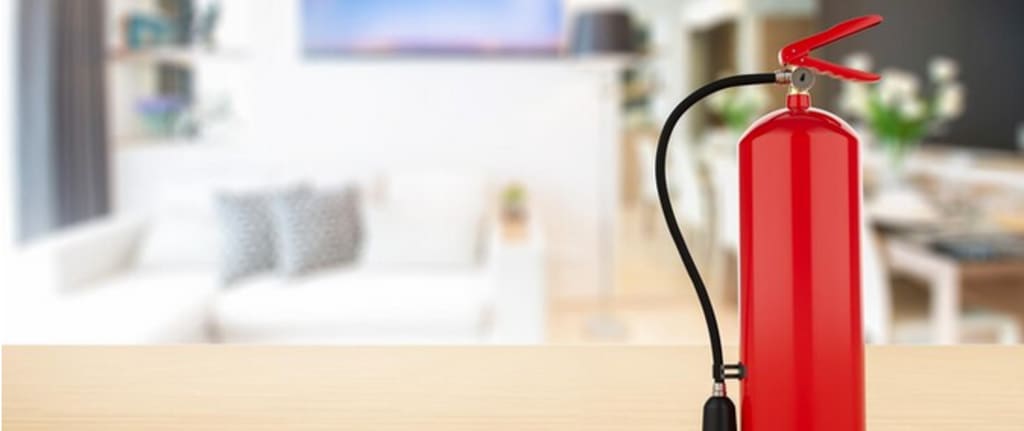
Fire safety is a top priority for every home, and one of the most important tools in ensuring safety during a fire is a fire extinguisher. While many people have smoke detectors installed in their homes, a fire extinguisher for home use is equally vital. It’s essential not only to have one in your home but also to ensure it’s the right type, properly maintained, and easily accessible.
This article will provide homeowners with essential tips on selecting, maintaining, and using a fire extinguisher to keep their homes safe.
By understanding the importance of fire extinguishers and following best practices for fire safety, homeowners can act quickly in an emergency, potentially saving lives and property.
The Importance of Fire Extinguishers for Home Safety
A fire can spread rapidly, especially in the early stages, and having a fire extinguisher at hand can make all the difference. Fires in the home can occur for a variety of reasons, such as cooking accidents, electrical malfunctions, or heating problems. Without a fire extinguisher, these fires can grow uncontrollably and lead to significant damage or worse.
Here are some reasons why a fire extinguisher for home use is critical:
Prevent Property Damage: A fire extinguisher can help put out small fires before they spread, preventing costly property damage.
Protect Family Members: In the event of a fire, having a fire extinguisher nearby allows family members to act quickly and safely, helping to prevent injury or death.
Maintain Peace of Mind: Knowing that your home is equipped with fire extinguishers can provide peace of mind, especially in high-risk areas such as the kitchen or near heating appliances.
Meet Local Fire Safety Requirements: In some areas, fire extinguishers are required by law in homes, particularly in specific locations like the kitchen, garage, or near any flammable materials.
Types of Fire Extinguishers for Home Use
Not all fire extinguishers are the same, and understanding which type is appropriate for your home is essential. Fire extinguishers are categorized based on the types of fires they are designed to fight. The different types of fire extinguishers are labeled with a letter and a symbol indicating the class of fire they are suitable for:
Class A: For ordinary combustibles like wood, paper, and fabric.
Class B: For flammable liquids such as gasoline, oil, and grease.
Class C: For electrical fires caused by appliances, wiring, and other electrical equipment.
Class K: For kitchen fires caused by cooking oils and fats.
For homes, it's important to select a fire extinguisher that covers the types of fires most likely to occur in various areas of the house. For example, a multi-purpose extinguisher (ABC-rated) is ideal for general household use as it can tackle a variety of fires, including those involving paper, flammable liquids, and electrical equipment.
Choosing the Right Fire Extinguisher for Your Home
Choosing the right fire extinguisher for home use depends on a variety of factors, including the layout of the home and the specific risks present.
Here are some factors to consider when selecting a fire extinguisher:
1. Size and Weight
Fire extinguishers come in different sizes, typically ranging from 2 to 10 pounds. A smaller extinguisher is easier to handle but may have a limited capacity to put out larger fires. For most homes, a 5-pound extinguisher is an ideal size, offering a balance between portability and capacity. However, larger homes or homes with greater fire risks may need larger extinguishers.
2. Type of Fire
As mentioned, fire extinguishers are classified by the type of fire they can handle. The most common fire extinguishers for homes are ABC-rated, as they can tackle a variety of fires. However, if there is a specific risk in a certain area of your home (for example, grease fires in the kitchen), you may want to choose a Class K fire extinguisher for the kitchen or a CO2 extinguisher for electrical fires.
3. Ease of Use
Ensure that the fire extinguisher is easy to use in an emergency. It should have a clear, simple operation process, usually consisting of pulling the pin, aiming the nozzle, squeezing the handle, and sweeping from side to side. Many fire extinguishers also come with user-friendly instructions, making them even easier to use in high-stress situations.
4. Mounting and Accessibility
Once you’ve selected the right fire extinguisher for your home, it’s crucial to place it in a location that’s easily accessible. It should be mounted on the wall or stored in a designated area where everyone in the household can easily reach it. Common locations include the kitchen, garage, basement, and near any rooms with electrical equipment.
5. Cost
While fire extinguishers for home use can vary in price, it’s important to remember that they are an investment in safety. The cost is generally reasonable, especially considering the protection they provide. You can find basic fire extinguishers for as little as $20, with higher-end models costing up to $100 or more, depending on size and features. Don’t compromise on safety—choose the best fire extinguisher for your needs within your budget.
Maintaining Your Fire Extinguisher for Home Use
Proper maintenance of your fire extinguisher is essential to ensure that it functions correctly when needed. Regular checks and maintenance will prolong the life of the extinguisher and ensure it is ready in case of an emergency.
Here are some maintenance tips to follow:
1. Regular Inspections
Inspect your fire extinguisher monthly. Check the pressure gauge to ensure that the needle is in the green zone, indicating that the extinguisher is fully charged. Look for any signs of damage, such as rust, dents, or leaks. Make sure the nozzle is clear and unobstructed.
2. Annual Professional Inspections
While monthly inspections are important, it’s also crucial to have a professional inspection of your fire extinguisher once a year. A certified technician will check the pressure, inspect for any internal issues, and recharge or replace the extinguisher if necessary.
3. Service and Recharging
If you’ve used your fire extinguisher, even if only partially, it will need to be recharged. Fire extinguisher service providers can handle this process, ensuring that the extinguisher is restored to full working condition. For more serious damage or age-related issues, the extinguisher may need to be replaced.
4. Replace Expired Extinguishers
Fire extinguishers have a shelf life, and many models need to be replaced after 5 to 12 years. Be sure to check the manufacturer’s recommendations for the expiration date, and replace your extinguisher when necessary.
Proper Use of a Fire Extinguisher in the Home
In an emergency, knowing how to use a fire extinguisher properly can make the difference between controlling a small fire and a devastating disaster.
Here are the basic steps to use a fire extinguisher effectively:
P – Pull the pin: This releases the locking mechanism, allowing you to use the extinguisher.
A – Aim the nozzle at the base of the fire: Always aim at the base of the fire rather than the flames themselves.
S – Squeeze the handle: This releases the extinguishing agent from the canister.
S – Sweep from side to side: Move the nozzle in a sweeping motion to cover the entire base of the fire.
If the fire does not seem to be extinguishing or is growing, do not attempt to fight it further. Instead, evacuate the area and call the fire department immediately.
Conclusion
Having a fire extinguisher for home is a crucial aspect of fire safety. By selecting the right type, ensuring proper maintenance, and knowing how to use the extinguisher correctly, homeowners can significantly reduce the risk of fire-related damage and injury. It’s not just about having fire extinguishers; it’s about being prepared and knowing how to act in an emergency.
Regularly check your fire extinguishers, replace expired ones, and ensure they are stored in accessible locations. The peace of mind that comes with knowing your home is equipped with the necessary fire safety tools is invaluable—and could save lives and property in the event of a fire.
About the Creator
Keep reading
More stories from ABC Fire & Safety and writers in Journal and other communities.
Fire Sprikle System Companies:Near Me :How to ensure proper installation
Introduction A fire sprinkler system companies near me is one of the most essential fire safety measures for residential, commercial, and industrial properties. When installed and maintained correctly, these systems can significantly reduce the damage caused by fire and save lives. However, improper installation can render the system ineffective, potentially leading to devastating consequences. Therefore, selecting the right fire sprinkler system company and ensuring proper installation are critical steps in safeguarding your property and its occupants.
By ABC Fire & Safetyabout a year ago in Journal


Comments
There are no comments for this story
Be the first to respond and start the conversation.