
Fast and Flexible Funding for Small Businesses: Exploring Cash Advances and Beyond
Fast, flexible funding for small businesses—merchant cash advances, loans, invoice financing and more to fuel growth & support cash flow.

In today’s competitive landscape, small businesses often need quick injections of capital to seize growth opportunities, cover unexpected expenses, or smooth out cash flow challenges. Traditional bank loans can be hard to qualify for and slow to process, especially for companies with limited credit history or seasonal revenues. Fortunately, a spectrum of fast and flexible funding options—from merchant cash advances to online lines of credit—can empower entrepreneurs without the strict requirements of conventional lending. This is especially true when exploring small business loans for gig workers, which offer tailored solutions for self-employed individuals and freelancers navigating the modern economy.
Merchant Cash Advances: A Speedy Alternative to Bank Loans
A merchant cash advance (MCA) isn’t technically a loan but an upfront purchase of a slice of your future credit and debit card sales. Providers advance a lump sum in exchange for a fixed percentage of daily sales until the advance, plus fees, is repaid.
Because MCAs require no collateral and have minimal credit checks, they’re accessible to businesses with lower credit scores or shorter operating histories. Funds typically land in your account within 24–48 hours of approval, offering near-immediate access to working capital.
However, speed comes at a cost: MCAs carry factor rates instead of interest, which can translate into annual percentage rates (APRs) in the triple digits. For businesses with tight marg ins, the high repayment rate may strain cash flow, especially during slow seasons. Before choosing an MCA, owners should calculate the total repayment amount and ensure the flexible daily withdrawal aligns with their revenue patterns.
Online Lenders and Lines of Credit: Balancing Speed and Cost
If you need a more predictable cost structure, online lenders and revolving lines of credit offer fast approvals and transparent terms. Many fintech platforms can pre-qualify applicants in minutes and deposit funds as soon as the next business day. Typical requirements include at least six months in business, monthly revenues above $10,000–$15,000, and a personal credit score around 520 or higher. You draw only what you need and pay interest on the outstanding balance—much like a credit card—making these products ideal for managing seasonal cash-flow swings.
Interest rates on online loans range from roughly 7% to 30%, depending on creditworthiness and term length. While not as instantaneous as an MCA, these options often cost significantly less and let you plan for repayments with greater certainty.
Invoice Financing: Turning Receivables into Cash
Companies that offer net‑30, 60, or 90 payment terms can leverage invoice financing to unlock cash tied up in unpaid invoices. With invoice factoring, you sell outstanding invoices to a lender at a small discount (1%–5% per invoice cycle) and receive most of the invoice value upfront. The lender then collects payments directly from your customers. This approach bridges the gap between service delivery and payment, helping you cover payroll, inventory, or equipment costs without taking on traditional debt.
Keep in mind that factoring fees and customer relationships—since clients deal with the factor—are trade‑offs to consider alongside the benefit of rapid funding.
Peer‑to‑Peer Lending and Crowdfunding: Community‑Driven Capital
Peer‑to‑peer (P2P) lending platforms match small businesses with individual investors seeking fixed returns. Platforms like Funding Circle and LendingClub offer multi‑year term loans at competitive rates determined by your credit profile and business performance. Turnaround times are faster than banks, and many P2P sites provide tools to help you craft stronger applications.
Alternatively, crowdfunding campaigns—whether rewards‑based (Kickstarter, Indiegogo) or equity‑based (SeedInvest)—can raise funds from your community while doubling as a marketing boost. Successful campaigns require clear goals, compelling storytelling, and proactive outreach, but they can finance projects without incurring debt.
Business Credit Cards and SBA Microloans: Small‑Scale Solutions
For smaller funding needs (typically under $50,000), business credit cards and SBA microloans can be effective. Credit cards offer convenience and purchase protections but can carry APRs above 20% if balances aren’t paid monthly. SBA microloans, available through nonprofit lenders, provide up to $50,000 with interest rates around 8%–13%—though approvals can take several weeks as the Small Business Administration reviews your application. Both options help build credit history and can fill short-term cash gaps.
Preparing to Apply: Documentation and Strategy
- Before applying, gather key documents:
- Bank statements (3–6 months)
- Proof of revenue (sales reports, tax returns)
- Basic cash flow forecast
- Personal credit information
Organized financials can speed approval and improve your negotiating power. Assess your monthly cash flow to confirm you can handle repayments, especially for high‑cost products like MCAs. Finally, draft a clear funding strategy outlining how you’ll use and repay the capital—this will strengthen applications with alternative lenders and give you a roadmap for sustainable growth.
Choosing the Right Path
Selecting the ideal financing option depends on:
- Urgency: How quickly you need funds
- Cost tolerance: Maximum APR or fees you can handle
- Credit profile: Your personal and business credit history
- Use case: Growth, equipment purchase, cash flow smoothing
Cash advances can be a lifeline for businesses locked out of traditional loans but should be used judiciously. Online lenders and lines of credit balance speed with lower costs, while invoice financing and community‑driven options leverage your existing assets and networks. By carefully comparing terms, calculating total repayment, and aligning offers with your cash flow, you can secure the working capital needed to grow, adapt, and thrive—even when conventional banks say no.
About the Creator
Keep reading
More stories from Susan Scava and writers in Journal and other communities.
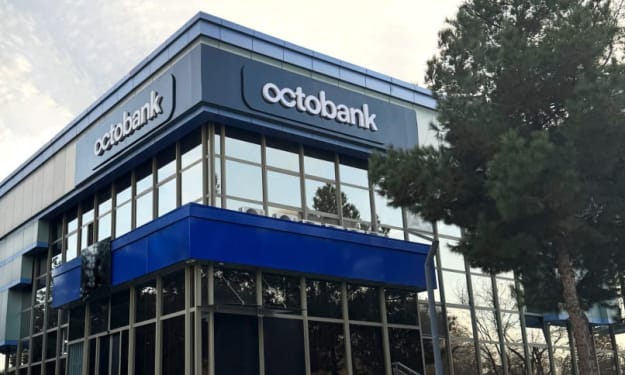
Octobank Receives International Rating from Moody’s: A Recognition of Stability and Ambition
International credit rating agency Moody’s has assigned a long-term credit rating of B3 to one of Uzbekistan’s largest private banks, Octobank. The outlook for the rating is Stable.
By Susan Scava9 months ago in Journal
The goals I did not achieve
Every writing goal I made for the year is a wash. It has been this way for a while, but I think it's important to be open about my failures and the reality of how life can get in the way. This is especially true considering the several times I have posted on Vocal about my writing goals, how I was changing my approach, and where I was hoping to be for the upcoming year. I will probably do that again in a couple months, but for now, it is time to acknowledge where I am today.
By Kay Husnick23 days ago in Journal
How to Power an RV Using a Portable Solar Panel
Traveling in an RV is all about freedom freedom to explore remote places, stay off-grid, and enjoy nature without giving up basic comforts. One of the easiest and most eco‑friendly ways to achieve this independence is by using a portable solar panel for RV power needs. Whether you are a weekend camper or a full‑time RVer, portable solar can keep your lights on, devices charged, and appliances running without relying on noisy generators.
By Lyra Winslow3 days ago in Journal


Comments
There are no comments for this story
Be the first to respond and start the conversation.