
Farewell, Dharmendra: The Man Who Changed the Dharam of Indian Cinema
Remembering the legendary ‘He-Man’ whose grace, strength, and humanity shaped generations of Indian cinema lovers.

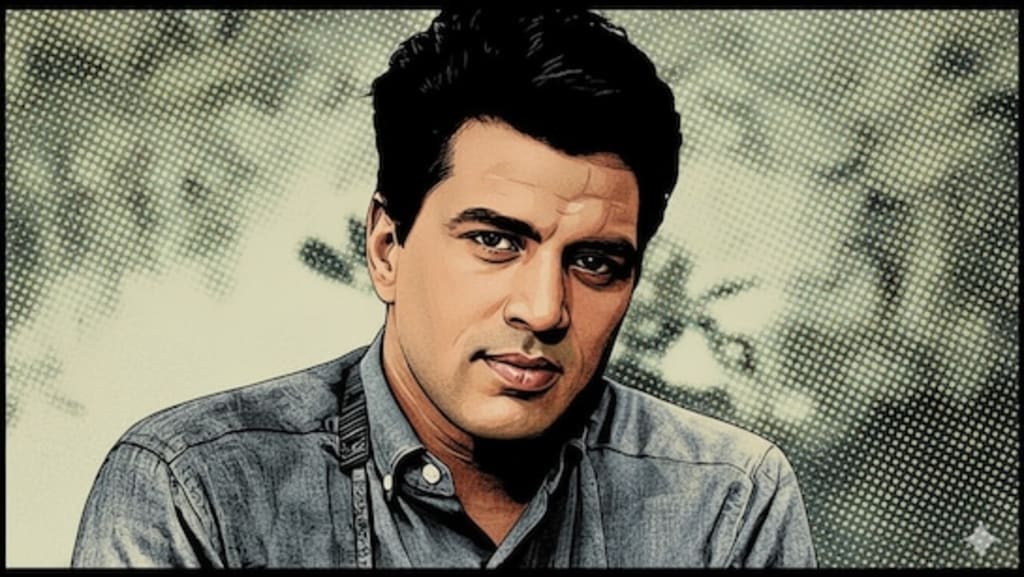
Few stars in Indian cinema have carried both strength and softness the way Dharmendra did. Known lovingly as Bollywood’s “He-Man,” he was more than just an action hero—he was a cultural force, a symbol of loyalty, passion, and the honest charm that defined an entire era of Hindi films. With his passing, India has not only lost an actor but a part of its cinematic identity. His absence marks the end of a golden chapter, but his legacy continues to grow brighter, inspiring new generations to rediscover the depth he brought to the screen.
Dharmendra’s journey from a small-town boy in Punjab to one of the biggest stars in India is nothing short of extraordinary. He never forgot where he came from, and perhaps that is why his performances always felt grounded and real. Whether he was playing a fearless fighter, a heartbroken lover, or a witty, lovable villager, audiences saw sincerity in his eyes. He had a natural way of connecting with people, making every role unforgettable.
His early years in the film industry were not easy. He was shy, soft-spoken, and struggled to fit into the glamorous world of Bombay. Yet, with persistence and determination, he earned his place. Directors admired his discipline, while co-stars praised his humility. Slowly, he began shaping a new identity in Indian cinema—one built on physical strength, emotional vulnerability, and a masculine presence that felt both heroic and human.
Movies like “Phool Aur Patthar,” “Yaadon Ki Baaraat,” “Sholay,” and “Satyakam” did not simply make Dharmendra famous—they made him timeless. In “Satyakam,” he delivered one of the finest performances in Hindi film history, portraying honesty with a depth rarely seen in cinema. In “Sholay,” he created the iconic character of Veeru, whose charm and humor continue to delight fans even decades later. Each role added a new layer to his legend.
The way Dharmendra reshaped the idea of a Hindi film hero is what truly changed the dharam—the very spirit—of Indian cinema. Before him, heroes were often poetic, elegant, or dramatic. Dharmendra brought something new: realism wrapped in charisma. His style was simple but powerful. His dialogue delivery was natural, his expressions effortless, and his screen presence magnetic. He showed that a hero could be strong and sensitive at the same time. This combination opened the door for future stars who followed in his footsteps.
Off-screen, Dharmendra was equally admired. His kindness, generosity, and warm nature touched everyone who knew him. From young actors seeking advice to technicians working behind the scenes, he treated everyone with respect. Stories of his gentle personality are countless. Even in his later years, he continued inspiring as a symbol of dignity and grace in an industry often known for its harshness.
Dharmendra’s family life was also deeply connected to cinema. His sons—Sunny and Bobby Deol—followed his footsteps, inheriting not only his stardom but also his discipline and humility. His wife, the legendary Hema Malini, often described him as a man of deep emotions. Their love story remains one of the most celebrated in Bollywood history. Through his family, his legacy continues to expand, shaping future generations of performers.
His passing has left fans, colleagues, and admirers heartbroken. People gathered outside his home not just to mourn, but to celebrate the life of a man who shaped their memories. Social media flooded with tributes, photos, and stories of his kindness. For many, Dharmendra was not just an actor—he was a part of their childhood, their youth, and their emotional world.
Yet, Dharmendra never wanted tears. He believed in celebrating life and facing challenges with courage. Even in his final years, he remained active on social media, posting heartfelt messages and simple life lessons. His words, like his films, carried a quiet wisdom.
As India says farewell to this legend, one thing remains clear: Dharmendra did not just act in films—he shaped the soul of Indian cinema. His journey changed the way heroes were imagined, stories were told, and emotions were portrayed. The dharam—the heartbeat—of Bollywood carries his imprint forever.
Dharmendra may be gone, but his light continues to shine through his films, his family, and the millions who loved him. And so, with gratitude and respect, we say goodbye to the man who redefined heroism, kindness, and cinematic magic.
About the Creator
Fiaz Ahmed Brohi
I am a passionate writer with a love for exploring and creating content on trending topics. Always curious, always sharing stories that engage and inspire.
Keep reading
More stories from Fiaz Ahmed Brohi and writers in Journal and other communities.
How Did Dharmendra Die? Remembering Bollywood’s Eternal He-Man
For over six decades, Dharmendra remained one of Bollywood’s most beloved stars — a symbol of strength, charm, and old-school heroism. Known as the “He-Man of Indian cinema,” he created a legacy that touched generations across India and beyond. His recent passing has left millions grieving, and one major question continues to surface everywhere: How did Dharmendra die?
By Fiaz Ahmed Brohi2 months ago in Journal
The goals I did not achieve
Every writing goal I made for the year is a wash. It has been this way for a while, but I think it's important to be open about my failures and the reality of how life can get in the way. This is especially true considering the several times I have posted on Vocal about my writing goals, how I was changing my approach, and where I was hoping to be for the upcoming year. I will probably do that again in a couple months, but for now, it is time to acknowledge where I am today.
By Kay Husnick24 days ago in Journal
The Architect of His Own Fate
The Concrete Pillow In the winter of 2008, when the global economy was fracturing, David Morales was experiencing a private collapse of his own. At twenty-four years old, David owned exactly three things: a tattered wool blanket, a high school diploma, and a library card. While his peers were navigating the early rungs of corporate ladders, David was navigating the New York City subway system, searching for a car warm enough to sleep in without being harassed.
By shakir hamid6 days ago in Journal




Comments
There are no comments for this story
Be the first to respond and start the conversation.