
Exploring the Advantages of PEEK Seals Over Conventional Sealing Materials
Compare PEEK seals with traditional options, demonstrating their superior longevity and performance in industries like oil & gas, aerospace, and automotive.

Introduction
Seals are the unsung heroes of industrial applications, ensuring smooth operations in demanding environments. Polyether Ether Ketone (PEEK) seals have emerged as a game-changing solution, outperforming conventional materials like rubber, metal, and PTFE. Let’s explore why PEEK seals are the preferred choice for industries like oil and gas, aerospace, and automotive.
What Are PEEK Seals?
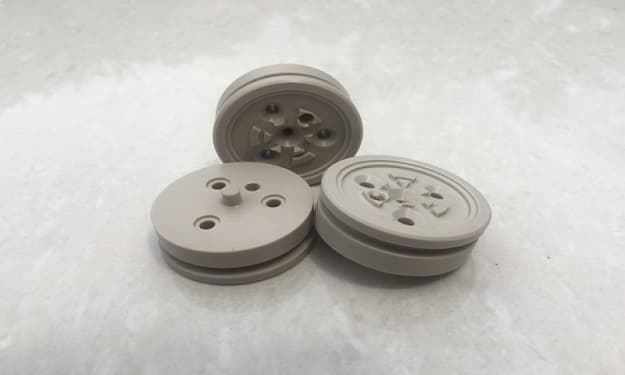
PEEK seals are made from a high-performance thermoplastic polymer that combines strength, flexibility, and chemical resistance. These seals are designed to handle high-pressure and high-temperature environments with unmatched efficiency.
Importance of Sealing in Industrial Applications
Effective sealing is critical in preventing leaks, maintaining system integrity, and ensuring safety in industrial operations. Poor sealing can lead to equipment failure, costly downtime, and environmental hazards.
Properties of PEEK Seals
High Strength and Durability
PEEK seals exhibit exceptional mechanical strength, allowing them to withstand high pressures and intense mechanical loads without deformation.
Exceptional Temperature Resistance
With a working range from -50°C to 250°C, PEEK seals perform reliably in extreme temperature conditions, making them ideal for both freezing and high-heat environments.
Chemical and Corrosion Resistance
PEEK seals resist degradation when exposed to aggressive chemicals, acids, and solvents, ensuring long-term reliability in harsh environments.
Low Friction and Wear Resistance
PEEK’s low coefficient of friction minimizes wear and tear, extending the lifespan of both the seal and the system components.
Conventional Sealing Materials
Overview of Common Materials
Rubber and Elastomers
Rubber seals are flexible and cost-effective but lack the durability needed for high-stress environments.
Metal Seals
Metal seals offer strength but are prone to corrosion and may fail under extreme thermal fluctuations.
PTFE (Teflon) Seals
PTFE seals are chemically resistant but lack the strength and temperature tolerance of PEEK.
Comparative Analysis: PEEK vs Conventional Materials
Longevity and Performance
PEEK seals outlast conventional materials by enduring harsh conditions without losing their sealing capabilities.
Handling Extreme Environments
While rubber and metal may fail in high-pressure or chemically aggressive environments, PEEK seals thrive, maintaining integrity where others falter.
Maintenance and Downtime Reduction
By reducing the frequency of seal replacements and system failures, PEEK seals minimize downtime, leading to significant cost savings.
Industrial Applications of PEEK Seals
Oil and Gas Industry
High Pressure and Corrosive Environments
PEEK seals excel in handling the high pressures and corrosive fluids typical in oil and gas operations, ensuring leak-proof performance.
Aerospace
High Altitudes and Temperature Variations
In aerospace applications, PEEK seals maintain reliability despite extreme pressure and temperature changes.
Automotive
Engine and Transmission Performance
PEEK seals improve efficiency in automotive systems by enduring high temperatures and reducing wear in critical components.
Medical and Pharmaceutical Applications
PEEK’s biocompatibility makes it suitable for sterilizable seals used in medical devices and pharmaceutical processes.
Cost Efficiency of PEEK Seals
Initial Costs vs Long-Term Savings
While the upfront cost of PEEK seals may be higher than conventional materials, their longevity and performance make them a cost-effective choice in the long run.
Reduced Replacement Frequency
PEEK seals’ durability means fewer replacements, leading to lower maintenance costs and reduced downtime.
Challenges and Limitations
Cost Considerations
PEEK seals are more expensive than traditional options, which may be a limiting factor for some applications.
Recycling and Environmental Concerns
Recycling PEEK is challenging, but advancements in material science are addressing these environmental concerns.
The Future of PEEK Seals
Innovations in Material Science
New developments in PEEK formulations are enhancing its properties, making it even more versatile and durable.
Expanding Use Across Industries
Emerging industries like renewable energy and robotics are finding innovative uses for PEEK seals, further cementing their importance.
How to Select the Right Seals for Your Application
Understanding Your Application’s Requirements
Evaluate factors like pressure, temperature, and chemical exposure to choose the most suitable seal.
Working with Trusted Manufacturers
Collaborate with reliable manufacturers like Poly Fluoro Ltd to ensure high-quality, customized PEEK seals for your needs.
Conclusion
PEEK seals are revolutionizing the world of industrial sealing, offering unparalleled strength, chemical resistance, and temperature tolerance. Their advantages over conventional materials make them a go-to choice for high-stress applications in oil and gas, aerospace, automotive, and beyond. Investing in PEEK seals ensures long-term reliability, reduced maintenance costs, and optimal performance.
FAQs
What industries benefit most from PEEK seals?
Oil and gas, aerospace, automotive, and medical industries rely heavily on PEEK seals for critical operations.
Are PEEK seals more durable than metal or rubber?
Yes, PEEK seals outperform metal and rubber in terms of durability, especially in extreme environments.
Can PEEK seals handle extreme temperatures?
Absolutely. PEEK seals maintain their integrity in temperatures ranging from -50°C to 250°C.
Are PEEK seals customizable?
Yes, they can be tailored to meet specific application requirements, including size, shape, and material properties.
Are there any limitations to PEEK seals?
While PEEK seals are highly durable, their higher cost and recycling challenges may be limitations in certain applications.
About the Creator
Keep reading
More stories from Poly Fluoro Polyfluoro and writers in Journal and other communities.
Case Study - PEEK in Coffee Machines
In the ever-evolving world of coffee culture, enthusiasts and professionals alike constantly seek innovations to enhance the brewing experience. One such technological marvel making waves in the coffee industry is the use of PEEK (polyether ether ketone) valves in coffee machines. These valves, though small in size, play a significant role in ensuring a superior and consistent cup of coffee.
By Poly Fluoro Polyfluoro2 years ago in Journal
Costco Gas Prices and the Use of AI to Manage Gas Demand
If you’ve ever pulled into a Costco gas station, you probably know the routine. Cars line up in long rows. Drivers slowly move forward pump by pump, hoping the price posted on the sign makes the wait worthwhile. For many Costco members, the lower fuel price has become one of the main reasons they visit the store in the first place.
By Navigating the World2 days ago in Journal
Becca
"Everything is so... flat." Denille said stupidly as she looked around her new neighborhood. She looked around at the muted desert where even the smallest sign of life seemed to have given up. The plant life was shrubs that were half cooked by the heat and where there should have been a lawn, a mess of white rocks laid glistening in the sun. Even the sky looked stretched thin, like the sun had ironed it smooth. She’d moved from Riverside, where at least there were hills, but here in Barstow, everything felt baked and brittle.
By Sara Wilson7 days ago in Fiction



Comments
There are no comments for this story
Be the first to respond and start the conversation.