
Exploring Chiang Rai, Thailand's Artisan Scene
Travel to Chiang Rai and Explore the Handmade Artisan Crafts

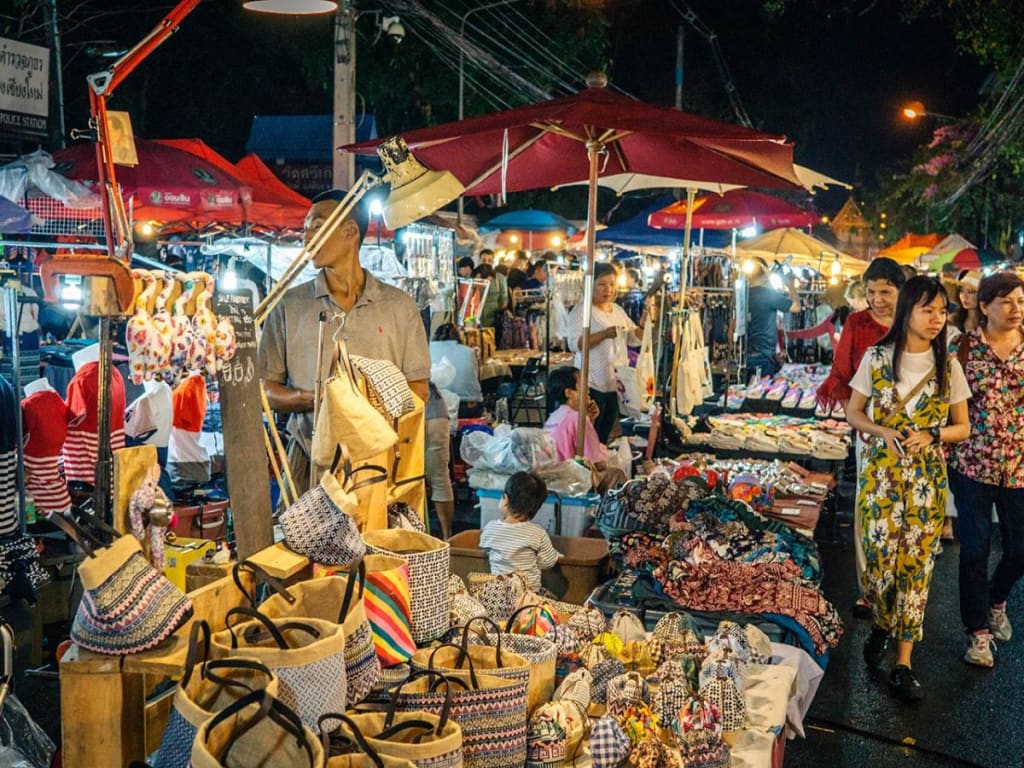
Tucked into the misty hills of northern Thailand, Chiang Rai keeps drawing travellers with its mix of old Lanna traditions and fresh creative energy. In 2025, the city's local artisan markets stand out as some of its brightest highlights, giving visitors a real connection to Thai handicrafts, hill tribe textiles, and eco-conscious souvenirs that carry stories from the past.
These are not the usual factory-made souvenirs found in crowded tourist strips. Chiang Rai's artisan markets feel personal and alive, filled with the work of local makers, from Akha silversmiths to Karen weavers, who put time and care into every piece. For anyone hunting for unique finds in Chiang Rai, these markets are a must. Each visit supports community livelihoods, keeps heritage skills in use, and turns shopping into something that actually matters.
This guide walks through the best local markets for one-of-a-kind treasures, all set to the scent of street food and the sound of live folk music.
The Classic Charm of Chiang Rai Night Bazaar: A Daily Showcase of Local Talent
Any look at Chiang Rai's artisan markets in 2025 has to start with the famous Chiang Rai Night Bazaar. Open every evening from 6 p.m. to midnight along Phahonyothin Road, this compact maze of lantern-lit stalls turns the city centre into a warm and lively night scene.
Hill tribe makers from nearby communities, including Lahu and Hmong villages, bring their work here each night. Visitors see tables piled with handwoven scarves in soft natural indigo, bamboo carvings that feature mythical Lanna figures, and delicate soap flowers shaped and scented with local herbs.
One of the main reasons this market works so well for special finds is the personal contact with makers. Vendors such as Auntie Noi, a third-generation weaver from Mae Salong, chat with visitors and invite them to touch the silk she spins from silkworms raised on her family's hillside land.
“These fabrics carry our family's story,” she explains while showing the backstrap loom method that her grandmother first taught her. Her hands are rough from work, yet her movements stay steady and calm.
In 2025, the Night Bazaar has also stepped up its eco focus. Many stalls now use biodegradable bags and packaging, and some vendors put part of their income into tree-planting projects in nearby villages. For travellers who care about sustainable Thai handicrafts, this daily market fits both their shopping list and their values.
Past the main food court, where grilled satay smokes beside bowls of rich khao soi, rows of jewellery stalls catch the light. Here, Akha silversmiths sell necklaces and bracelets decorated with turquoise and traditional beads. Prices often start around 200 baht, which feels fair for pieces that work as both keepsakes and wearable art.
Shoppers who arrive by 7 p.m. can catch live jazz sets that lift the mood and bring more foot traffic. The music gives buyers a fun backdrop for bargaining and browsing. A handy tip for a classic Chiang Rai night: pick up a handwoven scarf or silver bangle, grab a cold Singha beer from a nearby bar, then settle in to watch the crowd drift through the lantern glow.
Saturday Night Walking Street: Lanna Heritage Under the Open Sky
Every Saturday, Thanalai Road turns into the Saturday Night Walking Street, often seen as the star attraction among Chiang Rai's local artisan markets in 2025. The street stretches almost a kilometre from the Clock Tower to the old city gate, closed to cars and filled with people from 5 p.m. to 11 p.m. Locals, expats, and tourists come for the food, the crafts, and the lively atmosphere.
The layout makes it easy to wander. One end of the street focuses on clothing, where stalls sell embroidered hill tribe blouses, skirts, and jackets. Further along, the central section groups together artisans working with wood, clay, and other natural materials. This divide gives visitors time to slow down, compare pieces, and talk to the makers.
As visitors move through the crowds, they step past families, teenagers, and older locals out for a weekly stroll. The smell of moo ping (grilled pork skewers) hangs in the air, and the sound of mor lam and other folk music drifts from buskers on street corners.
Among the many vendors, some stalls feel like true hidden gems. Karen long-neck weavers show beaded collars that hold deep meaning for their communities, linked with beauty, strength, and identity. Lisu embroiderers display bright wall hangings and bags that show patterns inspired by mountain flowers and forest life.
One standout is Pa Jaeng's Woodcraft, a small but busy stall known for teak elephant figures made from wood sourced with care. Each carving can take up to 20 hours to complete, and no two pieces look exactly the same. “This year, we share more of the story behind the work,” Pa Jaeng explains, pointing to a sign that lists the names of the 15 artisans in the cooperative.
Prices for these carved elephants usually range from 300 to 1,500 baht, which suits many types of budgets while still paying fair wages to the makers. Shoppers looking for authentic Chiang Rai souvenirs often stop here last so they do not have to carry the heavier pieces for the rest of the night.
In the middle of the market, a large open square acts as a community stage. Thai dance groups perform here through the evening, and visitors are welcome to join some of the group dances. Sharing a simple step in the circle, mango sticky rice in hand, brings the culture closer than any photo ever could.
For families, Saturday Night Walking Street also offers small, hands-on activities. Pop-up workshops sometimes teach simple batik dye work on cotton scarves or basic clay shaping for children. These sessions run for short times, so parents keep an eye out as they walk.
This market feels less like a shopping strip and more like a weekly street festival. It keeps attention on northern Thailand's creative energy and explains why Chiang Rai's artisan markets still feel less crowded and more relaxed than those in Chiang Mai, even in a busy year.
Walking Street: Relaxed Vibes and Community Markets
By Sunday, when the weekend starts to slow down, the Sunday Night Market, known locally as Happy Street, offers a calmer option. Held on San Khong Noi Road from 6 p.m. to 10 p.m., it sits just outside the busiest part of town and feels more relaxed from the moment visitors arrive.
Happy Street focuses more on performances, art stalls, and small local shops, which makes it a strong choice for travellers who want quiet browsing and thoughtful finds. In 2025, organisers have broadened the artisan side of the market with rotating pop-up areas for less visible makers. Yao batik artists, for example, now appear more often with cloth dyed using beeswax-resist patterns on organic cotton.
An easy guitar rhythm carries through the market, mixed with occasional Thai folk songs. Tables display pottery in warm, earthy colours, often inspired by the slopes and soil of Doi Tung's tea hills. Visitors pick up bowls and vases that feel solid and smooth, with glazes that echo misty mornings in the highlands.
One stand worth seeking out is the Hill Tribe Cooperative Booth, a project created to support women artisans from several communities. The display includes embroidered purses with sharp geometric designs and herbal sachets filled with lemongrass and other plants grown in shared gardens. Prices for small items often begin at about 150 baht, which gives travellers an easy way to support the group.
“Our focus is long-term care for people and the forest. For every sale, we plant a tree,” explains cooperative leader Mae Ying, who shares photos of recent reforestation work. Since January, the group has planted trees over 5 hectares of land, and many of the artisans' children help on weekends.
Food stalls along Happy Street also show a playful side to local cooking. Vendors serve dishes like quinoa-filled som tam or fusion-style papaya salads that blend Lanna flavours with more global ingredients. It still feels rooted in northern Thai food, just with a few surprises.
At around 8 p.m., the main stage area lights up for Lanna cultural shows. Performers wear traditional clothing sewn by local artisans and act out scenes linked to harvests, planting, and rural life. They often step forward between segments to talk about the meaning of the patterns and colours on their outfits. That extra context turns the show into a living lesson in culture and design.
The smaller scale of Happy Street gives visitors time and space to talk with makers, ask questions, and learn how certain skills developed. It often ends up as a favourite stop for people building a Chiang Rai itinerary that centres on local artisan markets yet still allows a gentle Sunday evening.
Beyond the Night: Daytime Markets and New Artisan Hubs
Chiang Rai may feel most lively at night, but its artisan scene does not sleep when the sun comes up. Daytime markets and new craft hubs help fill out the picture for visitors who want to see how everyday life connects with handmade work.
One of the most interesting daytime spots is the All-Day Market in Mae Salong (Santikhiri) along Route 1130. Open from morning until late afternoon, it sits in the hills where cool air and mountain views set a very different mood from the city. Here, hill tribe handicrafts appear side by side with produce and tea.
Stalls sell oolong tea grown on the slopes nearby, with sellers offering free tastings to help visitors pick a favourite roast. Between tea stands, shoppers find Hmong cross-stitch wall pieces, bags, and cushion covers filled with bright thread and traditional designs. Lahu makers often sell hand-carved bamboo flutes and simple toys, shaped while they sit and talk with neighbours.
In 2025, the Mae Salong market has become more connected to sustainable tourism. Some vendors now link their stalls to eco-tours that bring visitors into the villages. Small groups can watch natural dye processes that use materials such as avocado pits, leaves, and bark. The trips keep numbers low and focus on learning instead of quick photos.
Closer to central Chiang Rai, the new Chiang Rai Craft Fair at the municipal fresh market brings a different energy. Open in the mornings, it mixes the feel of a daily wet market with casual craft stalls. Shoppers can buy fresh vegetables, herbs, and fruit, then turn a corner and see handmade soaps or textiles.
The vibe feels similar to Nah Thai Market, with locals stopping to talk with familiar sellers. Soap artisans at the craft fair often mix ingredients like kaffir lime, rice bran oil, and lemongrass to shape bars that work as thoughtful gifts. Their displays sit next to bunches of greens and fresh chillies, which underlines how close craft and daily life are in Chiang Rai.
Daytime markets also offer cooler shaded areas. Many vendors set up under bamboo roofs or in simple huts with woven walls. Iced herbal teas and Thai coffee appear at almost every corner, giving visitors places to sit, drink, and watch the market slowly move. Prices during the day often run a bit lower than at night, with some handicrafts starting around 100 baht, which rewards early risers who like calm shopping and direct talks with sellers.
Why 2025 Feels Like the Right Time to Support Chiang Rai's Artisans
In 2025, Chiang Rai's local artisan markets stand as more than places to pick up gifts. They hold traditions, give income to families, and keep cultural knowledge alive for the next generation. With tourism bouncing back after the pandemic, this support matters even more to the people who sell their work here.
Groups such as the Chiang Rai Sustainable Craft Network play a key part in this shift. They help connect fair prices, clean energy, and low-waste practices with old skills like weaving, carving, and natural dyeing. Many stalls now run on solar power, and some workshops focus on zero-waste methods to use leftover fabric or wood.
When visitors buy a hand-carved spirit house, a silver pendant, or a handwoven shawl straight from the maker, the money goes into real needs such as school fees, medical care, and better tools. For many hill tribe communities, these markets act as a main source of steady income.
Local makers have also started to adjust their methods to face climate shifts. At the Night Bazaar and other markets, several textile artisans now use drought-tolerant dye plants and more efficient water systems. They keep traditional colours and patterns, yet reduce pressure on the land.
Travellers often leave with more than a souvenir. Many talk about moments that changed how they see northern Thailand. One expat potter, Liam from Australia, describes how a chat at a market stall led him to source clay from local pits instead of importing it. He calls his connection to the community “a kind of friendship, not just tourism.”
For travellers who care about fair trade and the environment, these markets feel like a clear choice. Each purchase supports both people and the region's rich natural setting, from misty mountains to forested valleys.
Insider Tips for Finding the Best Treasures in Chiang Rai's Markets
A bit of smart planning helps visitors get the most from Chiang Rai's artisan markets and unique finds. Comfortable clothing and shoes matter first. Many streets are uneven or paved with old stones, so a pair of sturdy sandals or trainers makes walking easier. The nights can be warm, so breathable fabric helps.
Bargaining plays a part in most markets, but it works best when it stays friendly. Many locals expect light negotiation, often around 10 to 20 percent off the first price. Buyers who smile, chat, and show respect usually get better deals than those who push too hard. Remember that each item took time and skill, so extremely low offers can feel hurtful to makers.
A simple translation app comes in handy. Even short phrases in Thai or in a hill tribe language can open the door to longer stories. Some vendors like to show old photos or explain what certain symbols on a textile or carving mean. Asking where an item comes from or how long it took to make can lead to real conversation.
Timing trips around local events adds extra excitement. During the January 2025 Flower Festival, for example, many markets host extra pop-up stalls and limited-edition designs, especially those that use floral patterns or fresh seasonal plants. Cultural holidays and temple fairs often bring more live music and special performances into the mix.
With Thailand's warm weather, staying hydrated makes a big difference. Fresh coconut water, herbal drinks, and iced teas are available almost anywhere and cost very little. Those who take photos of people or close-ups of their work should always ask first. A quick smile and gesture toward a camera usually gets the message across if language is a barrier.
In Chiang Rai, the markets invite people to come as guests, not just shoppers. Every handwoven scarf, carved figure, or piece of silver has someone behind it with a story to share. Visitors who slow down, taste the food, listen to the music, and talk with the makers often leave with more than they planned: a deeper sense of the north and a feeling that their spending supported something real.
For 2025, anyone looking for Chiang Rai local artisan markets and truly unique finds will discover plenty of hidden gems waiting among the lanterns and street stalls.
About the Creator
VORNews
VOR News Independent news media proudly known as the Voice of the Republic, emerged with a clear mission: to deliver unfiltered, principled journalism that champions truth, integrity, and the values that define a free society.


Comments
There are no comments for this story
Be the first to respond and start the conversation.