
Expert Flea Exterminator Services You Can Trust
Dealing with fleas? Learn how a flea exterminator can eliminate infestations fast. Get expert advice on pest control for fleas and spotting signs in your home.


Flea Exterminator Services: What NYC Residents Need to Know
If you’ve ever dealt with fleas, you know just how stubborn and frustrating they can be. They’re small, hard to spot, and multiply like crazy. One moment, your pet is scratching — the next, you’re itching too. When DIY treatments fall short (and they often do), it’s time to bring in a flea exterminator who knows what they’re doing.
In a dense, pet-loving city like New York, flea problems are more common than you might think. Whether you're a dog owner in Brooklyn or managing a rental property in Queens, this guide will walk you through the real deal on pest control for fleas — from spotting early signs to getting rid of them for good.
Why Fleas Are So Hard to Eliminate
Fleas are built for survival. They reproduce quickly — a single female can lay up to 50 eggs per day — and their eggs are tough to spot. Worse, eggs can fall off your pet and hide in carpets, bedding, floorboards, and upholstery.
The flea life cycle includes eggs, larvae, pupae, and adults. Most over-the-counter treatments only kill adult fleas. That means you're likely only solving part of the problem, and within a week or two, new fleas start popping up again.
That’s why professional help isn’t just helpful — it’s often necessary.
Common Signs of Fleas in Your House
Catching fleas early gives you a better shot at preventing a full-blown infestation. But how do you know they’ve moved in? Here are the most reliable signs of fleas in the house:
1. Pets Scratching More Than Usual
This is usually the first clue. Fleas tend to gather around the neck, tail, and belly — areas where your pet can’t easily groom. If your cat or dog is scratching, biting, or acting restless, inspect their fur closely.
2. Flea Dirt
This is essentially flea feces — small black or dark brown specks that look like pepper flakes. You’ll often find it on your pet’s bedding, or if you run a flea comb through their fur.
3. Bites on You or Your Family
Flea bites are small, red, and itchy. They often appear in clusters, especially on your legs, ankles, or feet. If everyone in your house suddenly starts scratching, it’s time to act fast.
4. Jumping Fleas
Yes, you can sometimes see fleas jumping around on carpets or furniture. They’re about 1–2 mm long, reddish-brown, and move fast.
If any of these signs sound familiar, it’s probably time to call in a flea exterminator.
What a Professional Flea Exterminator Will Do
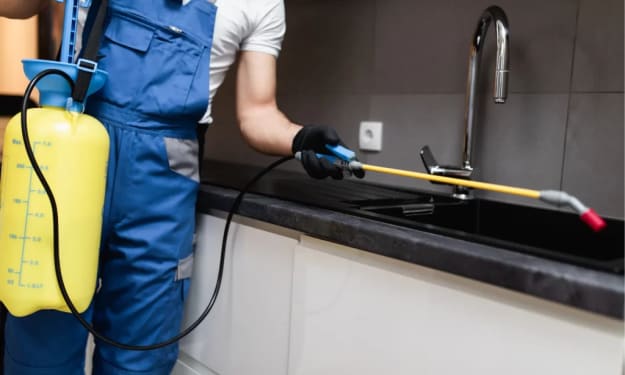
When you call a professional, you’re not just getting a guy with a spray bottle — you’re getting a strategic approach that’s designed to break the flea life cycle and keep them from coming back.
1. Full Home Inspection
The first step is a top-to-bottom inspection. The exterminator will check:
Pet sleeping areas
Carpets and rugs
Cracks in flooring
Upholstered furniture
Baseboards and window sills
They’ll also ask about pet routines and any prior treatments you’ve tried.
2. Targeted Treatment Plan
Based on the inspection, your flea exterminator will create a plan that may include:
Insect growth regulators (IGRs) to prevent eggs and larvae from maturing
Residual insecticides to kill adult fleas on contact
Vacuuming strategies to remove eggs and pupae
Steam treatments for rugs or furniture
The treatments are designed to be safe for pets and humans, but you’ll usually need to leave the space for a few hours during application.
3. Follow-Up Treatments
Because of how fleas develop, a single visit might not be enough. Many infestations require a second or third treatment to fully eliminate fleas at all life stages. Reputable providers will include a follow-up plan and monitoring.
Why DIY Flea Control Often Fails
There’s no shortage of flea sprays, powders, and foggers on the market — but most DIY solutions only treat the surface. They may kill the adult fleas, but leave eggs and larvae behind. That’s why infestations bounce back so easily.
Here’s what DIY treatments often miss:
Hard-to-reach hiding spots (under furniture, in baseboards, etc.)
Treatment timing to catch fleas at different life stages
Safe integration with pet care products
For persistent infestations — or if you’ve already tried DIY and it didn’t work — a flea exterminator is the most efficient path forward.
Pest Control for Fleas in Apartments and Multi-Unit Buildings
If you live in an apartment or manage a multi-family property, flea infestations can spread from unit to unit. Pets, shared laundry rooms, or even hallways can help fleas migrate. In these cases, professional pest control for fleas isn’t optional — it’s critical.
A licensed exterminator will not only treat the affected unit but assess whether surrounding areas need attention too. They’ll also coordinate with property managers to ensure the entire building is protected.
How to Prepare for a Flea Extermination Visit
To make your treatment as effective as possible, here’s how to prep your space:
Vacuum thoroughly before the appointment — and empty the vacuum outside.
Wash all bedding and pet blankets in hot water.
Clear floors and move furniture away from walls where possible.
Remove pets (and sometimes yourself) for several hours during treatment.
Secure food, dishes, and pet bowls.
Your exterminator will give you exact instructions based on the type of treatment used.
How Much Does a Flea Exterminator Cost?
Prices vary based on the size of your space and the severity of the infestation. Here's a ballpark breakdown:
One-time treatment: $100–$300 for a single room or small apartment
Full-home treatment: $300–$600+
Follow-up visits: May be included or charged separately
If the infestation is widespread or if you're in a multi-unit building, expect to pay more — but also expect better long-term results.
Preventing Fleas After Treatment
Once the fleas are gone, it’s all about prevention. Here are a few smart steps to keep your home flea-free:
Use vet-recommended flea treatments for your pets regularly.
Vacuum weekly, especially carpets and pet areas.
Wash pet bedding often.
Groom your pets and check for fleas after walks or park visits.
Seal entry points to keep rodents (which can carry fleas) out of your home.
Prevention isn’t one-and-done — it’s part of maintaining a clean, healthy home.
Final Thoughts: When in Doubt, Call a Pro
Fleas can be stubborn, fast-breeding, and deeply embedded in your home before you even realize it. If you’ve spotted the signs of fleas in the house and your DIY efforts aren’t cutting it, don’t waste more time or money. A trusted flea exterminator will not only get rid of the problem but help you keep it from coming back.
In a city like New York, where small apartments and shared spaces are the norm, professional pest control for fleas is the safest bet. You deserve a clean, comfortable home — and there’s no reason to let fleas take that away from you.
Need help fast? Search for a certified flea exterminator in your area and book a consultation. The sooner you act, the easier it is to take control and breathe easy again.
About the Creator
Steve Job
Looking for a professional pest control service in New York? We provide reliable pest control solutions to eliminate unwanted pests. Our local pest control service ensures a pest-free environment.


Comments
There are no comments for this story
Be the first to respond and start the conversation.