
Everything About Bronchiectasis
Causes, Symptoms, and Treatment
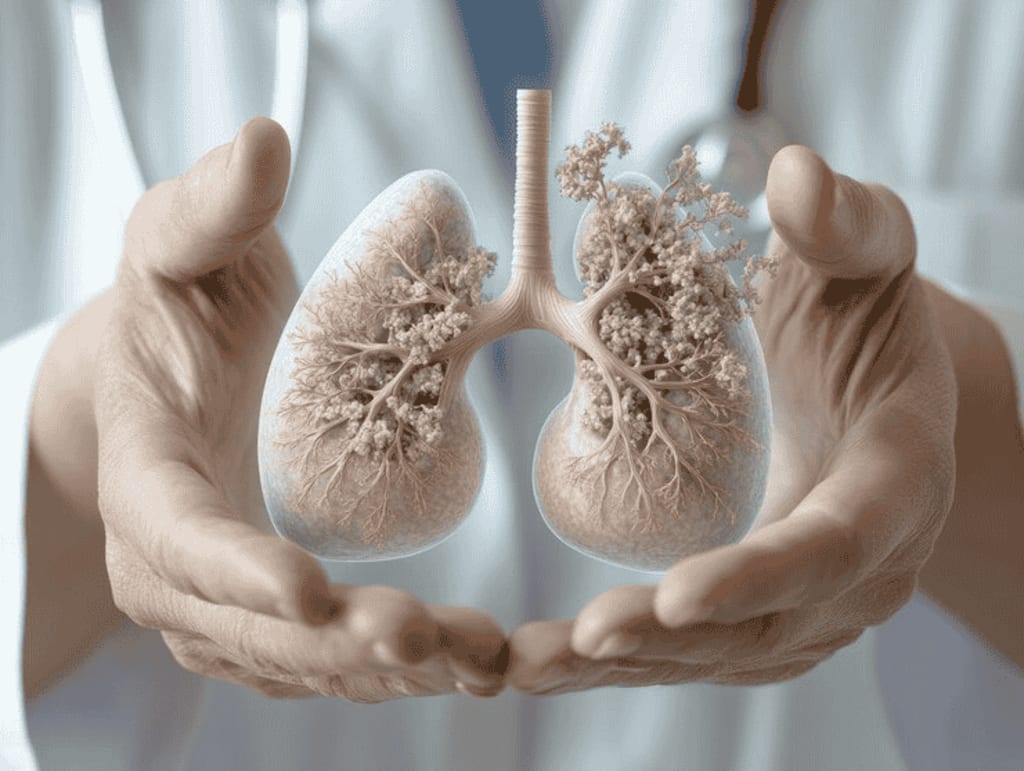
So, what is Bronchiectasis? It is a chronic lung condition that involves the permanent widening and damage of the bronchi, which are the airways in the lungs that carry air to and from the lungs.
These damaged airways can become enlarged, leading to a buildup of mucus and increasing the risk of lung infections. As a result, people with bronchiectasis often experience persistent coughing, shortness of breath, and frequent respiratory infections.
In a healthy respiratory system, the bronchi are smooth and flexible, allowing air to flow freely in and out of the lungs. However, in individuals with bronchiectasis, the bronchi become damaged and scarred, which can affect lung function over time.
What Causes Bronchiectasis?
Bronchiectasis can be caused by a variety of factors, and it often develops after an infection or injury to the lungs. Some of the most common causes include:
1. Infections
Chronic lung infections such as pneumonia, tuberculosis, or viral infections can damage the bronchi, leading to bronchiectasis. Repeated infections or untreated infections can contribute to the development of this condition.
2. Cystic Fibrosis
Cystic fibrosis (CF) is a genetic disorder that affects the lungs, pancreas, and other organs. CF leads to the production of thick and sticky mucus, which can clog the airways and lead to frequent lung infections. This can result in bronchiectasis, especially in individuals with CF.
3. Immune System Disorders
Conditions like rheumatoid arthritis or immune deficiency can weaken the immune system, making individuals more vulnerable to respiratory infections that may lead to bronchiectasis.
4. Aspiration
Inhalation of food, liquid, or stomach contents into the lungs—also known as aspiration—can cause lung damage and increase the risk of developing bronchiectasis.
5. Other Respiratory Conditions
Chronic obstructive pulmonary disease (COPD), tuberculosis, or any condition that leads to persistent coughing and lung irritation can damage the airways, resulting in bronchiectasis over time.
6. Genetic Factors
In some cases, bronchiectasis can run in families. Genetic mutations can make individuals more susceptible to developing this condition, especially if combined with respiratory infections.
What Are the Symptoms of Bronchiectasis?
The symptoms of bronchiectasis can vary depending on the severity of the condition and the underlying cause. Common symptoms include:
- Chronic cough: Often producing mucus or phlegm that may be thick or discolored.
- Shortness of breath: Difficulty breathing or feeling out of breath, especially with physical activity.
- Wheezing: A high-pitched whistling sound while breathing.
- Chest pain or discomfort: Some people experience a feeling of tightness or pain in the chest.
- Frequent lung infections: People with bronchiectasis are more prone to respiratory infections, including pneumonia and bronchitis.
- Fatigue: A general sense of tiredness or low energy.
- Clubbing of the fingers: In more severe cases, the tips of the fingers or toes may enlarge and become rounder, a condition known as digital clubbing.
If you or someone you know is experiencing these symptoms, especially if they persist over time, it’s important to seek medical advice for proper diagnosis and treatment.
Conclusion
So, what lung conditions qualify for disability? Well, Bronchiectasis is a chronic lung condition that causes the airways to become damaged and widened, leading to a buildup of mucus and increased susceptibility to infections.
Of course, it can qualify for the disability in severe cases.
While there’s no cure, with proper treatment and care, many people with bronchiectasis can manage their symptoms and lead fulfilling lives.
If you suspect you have bronchiectasis or have been diagnosed with it, working closely with your healthcare team is essential to managing the condition. Early intervention, lifestyle changes, and regular treatments can significantly improve your quality of life and reduce the impact of bronchiectasis on your daily activities.
About the Creator
Keep reading
More stories from dave smith and writers in Journal and other communities.
How Is the Boom in Urban Construction Activities Driving Growth in the Copper Pipes and Tubes Market?
Rising Demand from the HVAC Industry Driving Market Expansion The market for copper pipes and tubes globally is growing at a rapid pace, with the main driver being the increasing HVAC demand. Copper has become the go, to material for HVAC systems because of its very good thermal conductivity, solid mechanical strength, and outstanding resistance to corrosive environments. These qualities of copper make it suitable for the most demanding uses such as heat exchangers, condensers, evaporators, and refrigerant lines where heat transfer efficiency and durability are very important.
By Frank Morgan5 days ago in Journal
Off the Book
It ended like every other stupid idea. Badly, and alone. I’m researching digital confession ethics, he said. A tech ethicist. He gestured at floating data I couldn’t see then pulled out a physical notebook. Actual paper, fountain pen. He held it up like he was showing me scripture.
By Nicky Frankly3 days ago in Fiction


Comments
There are no comments for this story
Be the first to respond and start the conversation.