
Essential Piercing Tools: A Comprehensive Guide for Professional Body Piercing
Ensuring Safety, Precision, and Professional Standards in Body Piercing Practices

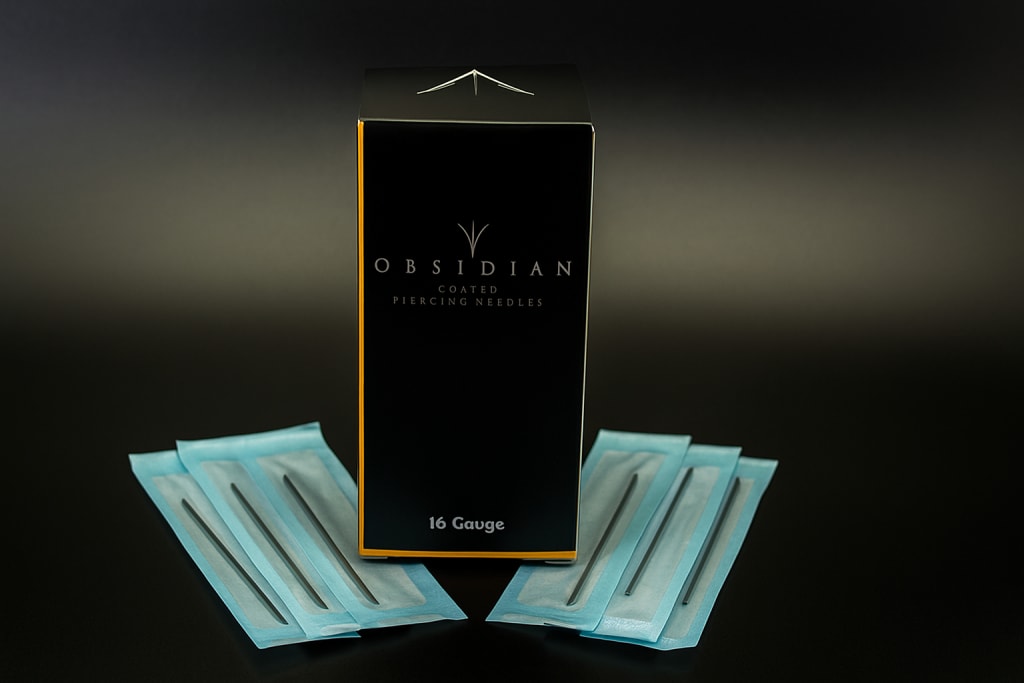
Body piercing has evolved into a widely embraced form of body art, ranging from simple ear piercings to complex designs across various body locations. However, to ensure optimal safety and quality for clients, the use of professional, high-quality tools is indispensable. This article provides a comprehensive overview of essential piercing tools, with particular focus on three critical products: Coated Needles, Nitrile Gloves, and Pennington Forceps.
The Importance of Quality Tools
In the piercing profession, tool quality affects not only aesthetic results but also directly impacts client health and safety. Using substandard tools can lead to serious consequences including infections, unsightly scarring, allergic reactions, or even transmission of blood-borne diseases. Therefore, investing in professional tools is not merely a professional ethical requirement but also a legal safeguard for practitioners.
Coated Needles - Specialized Coated Piercing Needles
Features and Advantages
Coated Needles are among the most crucial tools in the piercing process. Unlike standard needles, these are coated with a special material, typically silicone or PTFE (polytetrafluoroethylene), which reduces friction when penetrating skin and tissue. This provides numerous practical benefits:
• Pain Reduction: The smooth coating helps the needle move more easily through skin, minimizing discomfort for clients. This is particularly important when performing piercings in sensitive areas such as cartilage, nose, or other delicate body regions.
• Increased Precision: The smooth needle movement allows practitioners better control during the piercing process, ensuring accurate angles and positioning according to the desired design.
• Reduced Tissue Trauma: The coating helps minimize unnecessary damage to surrounding tissue, thereby shortening recovery time and reducing the risk of complications.
Classification and Usage
Coated Needles come in various gauges, ranging from 20G to 8G or larger, depending on the location and type of jewelry to be worn. Selecting the appropriate gauge depends on multiple factors including tissue thickness, jewelry size, and the client's experience with piercings.
20G (0.8mm) needles are commonly used for ear piercings and small nostril piercings, while 14G (1.6mm) needles are suitable for most basic piercings such as cartilage, tongue, and navel. Larger piercings such as ear stretching or body piercings may require 12G (2mm) needles or larger.
Nitrile Gloves - Protective Nitrile Gloves
Why Choose Nitrile Over Latex
Nitrile Gloves have become the gold standard in the piercing and tattoo industries, completely replacing traditional latex gloves. This shift is not merely due to trends but because of the superior advantages that nitrile provides.
• Allergy Safety: One of the greatest advantages of nitrile is that it contains no natural latex proteins - the culprit behind allergic reactions in many people. This is particularly crucial in professional work environments where both practitioners and clients may have a history of latex allergies.
• Superior Durability: Nitrile has better puncture and tear resistance than latex, especially when in contact with sharp objects like piercing needles, scissors, or other metal tools. This reduces the risk of cross-contamination and ensures a safe working environment.
• Chemical Resistance: Nitrile gloves resist many types of disinfectants and cleaning solutions commonly used in piercing studios, helping maintain glove integrity throughout the work process.
Usage Standards
In the piercing profession, gloves are not just protective equipment but also legal requirements in many countries and territories. Changing gloves between clients is mandatory, and even when working with the same client, gloves must be changed if contaminated or if they contact non-sterile surfaces.
High-quality nitrile gloves typically have a thickness of 3-6 mil, providing a good balance between durability and tactile sensitivity. This allows practitioners to maintain fine manual dexterity while remaining safely protected.
Pennington Forceps - Specialized Pennington Clamps
Design and Function
Pennington Forceps are specialized medical clamps designed specifically for procedures requiring high precision. In the piercing profession, these tools play a crucial role in securely holding and accurately positioning the skin area to be pierced.
The distinctive feature of Pennington Forceps is their tip design with small, soft serrated teeth that provide a secure grip without causing tissue damage. These clamps are typically made from surgical steel and can withstand multiple autoclave sterilization cycles without deterioration.
Applications in Piercing
Skin Stabilization: When performing piercings in hard-to-reach locations or areas requiring high precision, Pennington Forceps help stabilize the skin area, creating favorable conditions for needle insertion.
• Precise Positioning: For complex piercing designs or those requiring symmetry, the clamps help mark and maintain exact positioning throughout the procedure.
• Jewelry Installation Support: In some cases, particularly with large or complex jewelry designs, Pennington Forceps can assist in safely and accurately installing jewelry.
Other Essential Tools
Receiving Tubes
Receiving tubes are hollow metal tubes placed behind the area to be pierced to catch the needle after it penetrates the skin. This not only protects the practitioner from needle stick injuries but also ensures the needle passes cleanly and straight through the tissue.
Measuring Tools and Marking Instruments
Accurate measurement and marking are indispensable steps in professional piercing. Specialized measuring tools and sterile marking pens help ensure symmetry and precise positioning according to client requirements.
Lighting and Magnification
Good lighting is a crucial factor for piercing work. Specialized LED lights provide white, shadow-free illumination, helping practitioners observe every detail clearly. Magnifying glasses may be necessary for work requiring extremely high precision.
Safety and Hygiene Standards
Disinfection and Sterilization
All piercing tools must be disinfected or sterilized before use. Autoclave sterilization is the most recommended method, using high-temperature steam (121°C) and pressure to eliminate all harmful microorganisms.
Metal tools like Pennington Forceps can be autoclave sterilized and reused multiple times. However, items such as Coated Needles and Nitrile Gloves are typically single-use items and must be properly disposed of after each use.
Storage and Preservation
Proper tool storage is equally important. Sterilized tools must be stored in dry, clean environments and protected from dust and contamination. Many studios use UV drying cabinets or specialized storage cabinets to maintain tool sterility.
Choosing Reputable Suppliers
Selecting reliable piercing tool suppliers is a key factor determining service quality. Reputable suppliers typically provide quality certifications, detailed usage instructions, and technical support services.
When purchasing Coated Needles, attention should be paid to origin, FDA or CE certification, and intact sealed packaging. Nitrile Gloves should have medical certifications and detailed information about thickness and sizing. Pennington Forceps must be made from surgical steel and capable of withstanding multiple sterilization cycles.
Training and Skill Development
Having good tools is only part of the equation. Piercing practitioners need proper training on using each type of tool, understanding body anatomy, and mastering medical safety principles.
Many professional organizations such as the APP (Association of Professional Piercers) provide training courses and certifications, helping practitioners stay updated with the latest knowledge in techniques, safety, and tool usage.
Conclusion
The piercing profession demands a perfect combination of artistry and medical science. Using high-quality tools such as Coated Needles, Nitrile Gloves, and Pennington Forceps not only ensures client safety but also enhances the quality and reputation of practitioners.
Investing in quality tools is an investment in a long-term career. While initial costs may be higher, the benefits in terms of safety, work efficiency, and client satisfaction will provide positive value in the long run.
In a world increasingly focused on quality and safety, maintaining high standards in selecting and using piercing tools is not only a professional responsibility but also a commitment to community health. Only by properly combining quality tools, skilled techniques, and a sense of responsibility can the piercing profession develop sustainably and contribute positively to the body art industry.
About the Creator
Keep reading
More stories from Vocal Blog and writers in Journal and other communities.
How to Choose the Best Water Pipe for Your Vaporizer
Vape has very much taken over as the primary method of use for dry herbs and concentrates, which is attributed to its clean delivery and custom options. Vaporizers are made for performance and taste, but what they don’t do best is cool down and filter the hit, which is where the water pipes come in.
By Vocal Blog6 months ago in Journal



Comments
There are no comments for this story
Be the first to respond and start the conversation.