
Engineering Safety and Inspections for Modern Amusement Rides
How Engineering, Inspection Protocols, and Technology Keep Riders Safe
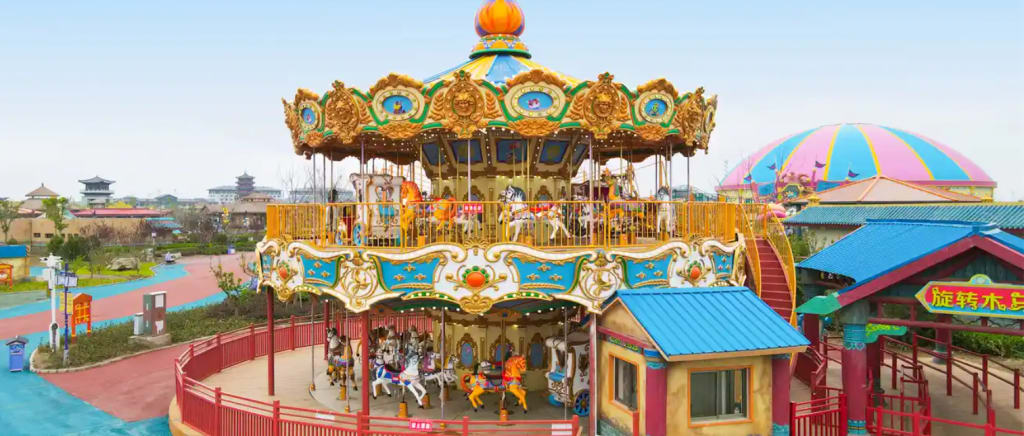
Amusement rides are marvels of mechanical and structural engineering, combining precision design with dynamic user experiences. Yet, these intricate systems must adhere to rigorous safety standards to protect guests and operators alike. From towering roller coasters to the classic amusement park carousel, each installation undergoes a disciplined regime of inspection, maintenance, and regulatory oversight. The goal is straightforward but demanding: maximize thrill while minimizing risk.
Framework of Safety Standards
Safety begins at the design phase. Engineers employ advanced simulation tools to model ride dynamics, stress-test support structures, and predict potential points of failure. Regulatory bodies such as ASTM International provide a comprehensive set of standards for amusement rides, covering everything from structural integrity to operational procedures. These standards are not mere guidelines—they are enforceable specifications that manufacturers must satisfy before theme park equipment is approved for installation.
Compliance often involves independent third-party verification. Inspectors review technical drawings, analyze weld quality, and validate that emergency braking systems function as intended. In some regions, state or municipal agencies conduct their own approval process, resulting in overlapping yet complementary layers of scrutiny. This redundancy is intentional, providing a safeguard against oversight at any single step.
Inspection Regimens and Maintenance Protocols
Once a ride is operational, safety does not become a static condition. Instead, it transitions into a cycle of daily, weekly, and annual inspections. Maintenance personnel conduct pre-opening checks each morning, inspecting track segments, fasteners, hydraulic systems, and control panels. These inspections often involve nondestructive testing methods such as ultrasonic or magnetic particle analysis to detect internal flaws invisible to the naked eye.
Seasonal overhauls are more invasive. Technicians may disassemble ride vehicles, inspect bearing assemblies, and recalibrate sensor arrays. For an amusement park carousel, this can include lubrication of rotating platforms, balancing of drive mechanisms, and assessment of electrical contacts that power decorative lighting. Even the decorative elements receive attention, as damaged panels or loose fittings could create hazards for guests.
Risk Mitigation and Failure Response
Despite meticulous planning, mechanical systems can experience faults. When an anomaly occurs—whether a stalled lift chain or a control system error—parks implement established emergency protocols. These include immediate ride shutdown, evacuation procedures, and incident reporting. Data gathered during these events feed back into maintenance schedules and can trigger design modifications if a systemic flaw is detected.
Redundancy plays a critical role in risk mitigation. Most modern rides feature multiple fail-safes, such as magnetic brakes that engage even in the absence of power. These systems are engineered with the assumption that a primary component could fail, ensuring that passenger safety is not compromised.
Training and Human Factors
No amount of mechanical reliability can compensate for untrained personnel. Operators undergo structured training that covers not only routine operation but also emergency procedures and guest interaction protocols. Proper human factors design—clear control layouts, ergonomic seating, and unambiguous safety signage—further reduce the potential for human error.
Theme park operators also invest in continuing education programs. Technicians learn to identify early warning signs of component fatigue, such as abnormal vibration or temperature fluctuations in drive assemblies. The ability to detect and address small issues before they escalate is a cornerstone of accident prevention.
Emerging Technologies in Ride Safety
Technology is reshaping the inspection landscape. Sensors embedded throughout theme park equipment provide real-time telemetry on vibration, temperature, and load distribution. This data is transmitted to centralized monitoring systems where predictive analytics identify trends that may indicate pending failures. By shifting from reactive to predictive maintenance, operators can schedule interventions before a breakdown occurs, reducing downtime and improving safety.
Drones are also gaining traction as inspection tools. For tall structures such as roller coaster lift hills, drones equipped with high-resolution cameras can perform visual inspections more quickly and with less risk to maintenance personnel. Combined with machine learning algorithms, these images can be analyzed automatically to detect corrosion, cracks, or other structural anomalies.
Regulatory Oversight and Public Confidence
Public confidence in ride safety is tightly linked to visible enforcement. Many jurisdictions require that parks post annual inspection certificates in public view. These documents detail compliance with applicable standards and reassure guests that every ride has passed rigorous examination.
When incidents do occur, thorough investigations follow. Regulators analyze root causes, issue corrective action mandates, and sometimes revise safety standards to prevent recurrence. This feedback loop strengthens the overall industry, ensuring that lessons learned from one location improve safety worldwide.
Conclusion
Amusement ride safety is a complex, multidisciplinary endeavor encompassing engineering design, regulatory compliance, operational discipline, and human oversight. The combination of stringent inspection protocols, robust theme park equipment design, and trained personnel creates an environment where guests can enjoy high-intensity experiences with minimal risk. As technology continues to advance, predictive analytics and automated inspection tools promise to raise safety standards even higher. The objective remains constant: to deliver thrills without compromising the well-being of those who seek them.
About the Creator
Beston Amusement Rides
As a leading amusement facility manufacturer, we provide safe and interesting amusement equipment to customers around the world, including roller coasters, Ferris wheels, pirate ships and so on.
Website:https://bestonamusementrides.com/
Keep reading
More stories from Beston Amusement Rides and writers in Journal and other communities.
Exploring the Most Popular Types of Amusement Rides
Amusement rides have captivated thrill-seekers and families for generations. The variety of designs, from gravity-defying structures to serene carousel experiences, demonstrates the breadth of creativity in the amusement industry. Whether found in sprawling theme parks or traveling fairs, these mechanical marvels form the centerpiece of leisure entertainment. Understanding the most popular types of rides offers insight into how parks continue to attract millions of visitors each year.
By Beston Amusement Rides6 months ago in Journal


Comments
There are no comments for this story
Be the first to respond and start the conversation.