
Elon Musk Sues Apple and OpenAI Over Competition Concerns
For now, Apple, OpenAI, and Musk are in a legal battle that could shape the future of AI competition.

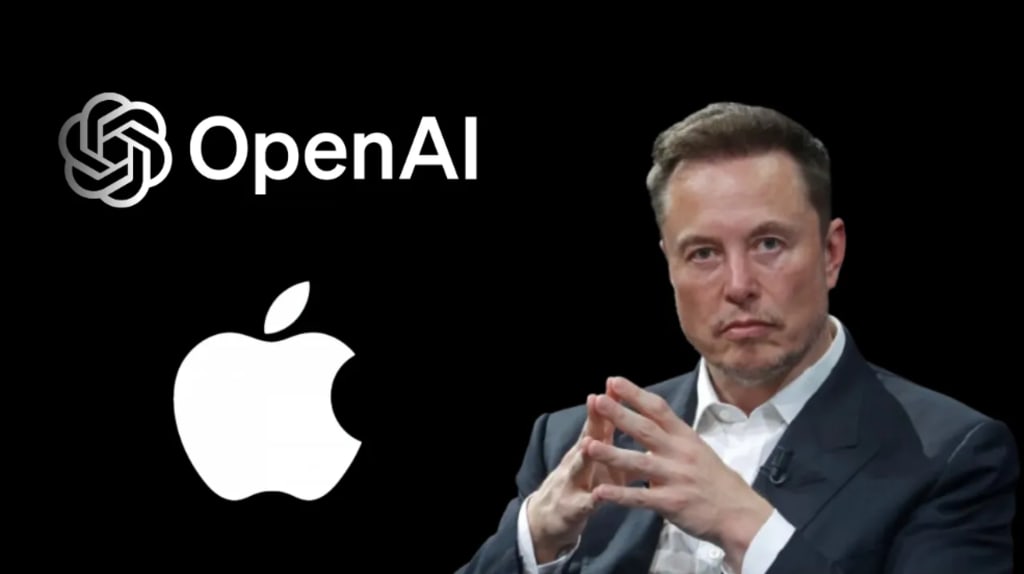
Elon Musk has taken legal action against Apple and OpenAI. He alleges that the two companies are working together to block competition. The lawsuit claims this partnership limits innovation and hurts other businesses.
Musk’s concern comes from the fast-growing field of artificial intelligence. AI technology is changing how people work, communicate, and create. Musk argues that cooperation between big companies could prevent smaller players from competing.
Apple and OpenAI are both leaders in technology. Apple dominates devices and software ecosystems. OpenAI develops advanced AI models that many companies use. Musk believes that if they collaborate too closely, it could create an unfair advantage.
The lawsuit says this behavior could stifle innovation. Startups and smaller companies may struggle to compete. Consumers could face fewer choices. Prices may rise. Musk is highlighting the risk of large companies controlling too much of the market.
Musk has been a vocal critic of monopolistic behavior in technology. He argues that the public benefits when multiple companies compete. Competition drives better products, faster improvements, and lower costs. Musk says partnerships that limit competition harm everyone.
The lawsuit also raises questions about AI development. AI is growing quickly, and regulations are still catching up. Musk believes that large companies may be using partnerships to control access to powerful tools. This could make it harder for new innovators to enter the field.
Apple has not commented publicly on the lawsuit. OpenAI has also stayed quiet so far. Legal experts say the case could take months or even years to resolve. The outcome may affect how technology companies collaborate in the future.
Musk’s filing is part of a larger discussion about ethics and fairness in tech. Many people worry that AI could concentrate too much power in the hands of a few companies. Musk argues that transparency and competition are necessary to keep technology safe and fair.
The lawsuit highlights the tension between cooperation and competition. Companies often partner to create better products or share knowledge. But Musk believes there is a line between collaboration and anti-competitive behavior. The lawsuit aims to define that line.
Some industry observers say the case could have wide implications. If the court sides with Musk, tech companies may need to rethink how they collaborate. Partnerships that seem helpful could be scrutinized for fairness.
Musk’s own companies, like Tesla and X (formerly Twitter), compete in various fields where AI plays a role. He may feel that Apple and OpenAI’s collaboration could affect his businesses directly. The lawsuit is a way to protect his interests and those of other competitors.
Legal experts say Musk’s case will likely focus on evidence of anti-competitive behavior. Courts will look at contracts, communications, and business practices. The central question is whether Apple and OpenAI’s cooperation limits market access for others.
The lawsuit also touches on consumer impact. If competition decreases, innovation may slow down. Products could become more expensive. Users may have fewer options. Musk wants to ensure the market stays open and dynamic.
This case is part of a larger trend in tech regulation. Governments and leaders around the world are increasingly concerned about large companies controlling AI. Musk’s lawsuit adds pressure to the conversation. It may influence policy and corporate behavior.
For consumers, the story is a reminder that technology is shaped by business decisions and legal frameworks. How companies cooperate affects what users can access. Musk’s action could help preserve diversity in AI development.
The lawsuit also emphasizes Musk’s long-standing advocacy for responsible AI. He has warned about the dangers of concentrated power in AI. His legal move against Apple and OpenAI shows he is serious about promoting fair competition.
In the coming months, more details will likely emerge. Legal filings may reveal internal communications and strategies. The tech world will watch closely. The case could set precedents for how AI companies collaborate in the future.
Musk’s lawsuit is bold and high-profile. It brings attention to issues of fairness, innovation, and market control. Whether it succeeds or not, it highlights the need for careful oversight in fast-moving technology sectors.
For now, Apple, OpenAI, and Musk are in a legal battle that could shape the future of AI competition. Consumers, startups, and industry leaders all have a stake in the outcome.
The case is a reminder that technology is not just about innovation. It is also about fairness, ethics, and the rules that govern how companies interact. Musk’s lawsuit may influence all three.
About the Creator
Shakil Sorkar
Welcome to my Vocal Media journal💖
If my content inspires, educates, or helps you in any way —
💖 Please consider leaving a tip to support my writing.
Every tip motivates me to keep researching, writing, sharing, valuable insights with you.
Keep reading
More stories from Shakil Sorkar and writers in Journal and other communities.
US Submarine Torpedos and Sinks Iranian Frigate: Periscope Footage
The sinking of an Iranian naval vessel by a US submarine is a step change in contemporary maritime engagement and increases the already huge stakes in the Iran-US conflict. This event involved the deployment of advanced underwater ordnance against a surface combatant.
By James Marinero7 days ago in Journal



Comments
There are no comments for this story
Be the first to respond and start the conversation.