
Electric & Evolving: Pickup Trucks to Reach $260 Billion by 2033
The global pickup truck market size was valued at USD 212.58 Billion in 2024. Looking forward, IMARC Group estimates the market to reach USD 260.16 Billion by 2033, exhibiting a CAGR of 2.16% from 2025-2033.

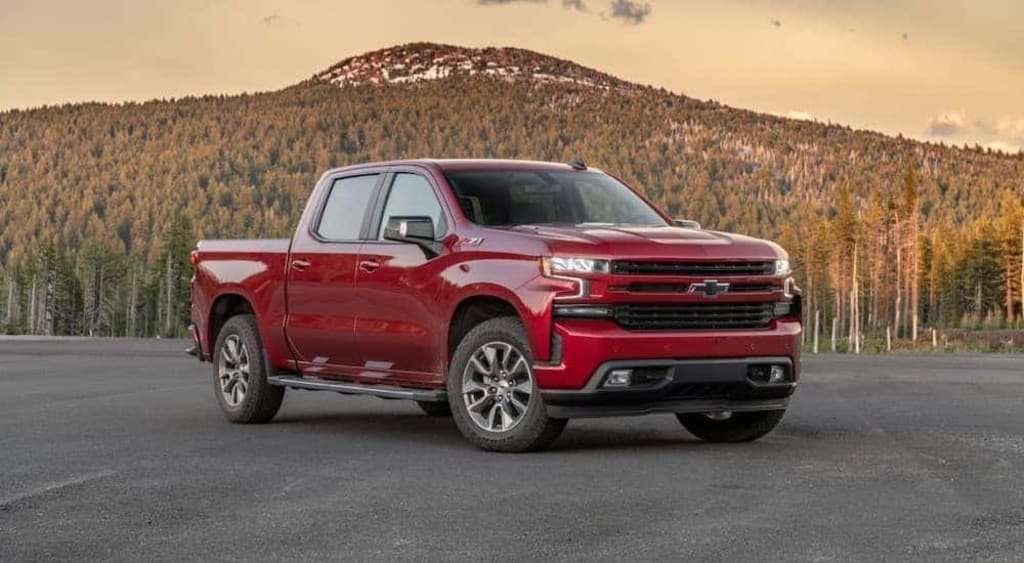
Overview of Pickup Truck Market
Pickup truck market is a robust and continuously evolving landscape, characterized by innovation and adaptability. It encompasses a wide array of vehicles, from compact models designed for urban agility to heavy-duty beasts built for demanding tasks. Understanding dynamics requires appreciating interplay of various factors that influence consumer preferences and manufacturing strategies.
Versatility is key: Modern pickup trucks are no longer solely utilitarian. They blend impressive hauling and towing capabilities with increasingly comfortable interiors and advanced features, appealing to broader demographic beyond traditional commercial users.
Technological integration: Market witnesses rapid adoption of cutting-edge technologies, including sophisticated infotainment systems, advanced driver-assistance systems (ADAS), and enhanced connectivity options, elevating driving experience.
Global demand drivers: Growth is fueled by infrastructure development, booming e-commerce, and rising demand for recreational vehicles, particularly in developing economies experiencing swift urbanization.
Evolving powertrains: Shift towards more sustainable options is evident, with growing interest and investment in electric and hybrid pickup trucks, driven by environmental concerns and stricter emission regulations.
Strong brand loyalty: Pickup truck segment often sees strong brand loyalty, with established manufacturers constantly innovating to retain and expand their customer base amidst increasing competition from new entrants.
Market Size & Growth
Pickup truck market demonstrates consistent expansion, reflecting its enduring appeal and functional importance across numerous sectors. The global pickup truck market size was valued at USD 212.58 Billion in 2024. Looking forward, IMARC Group estimates market to reach USD 260.16 Billion by 2033, exhibiting a CAGR of 2.16% from 2025-2033. North America currently dominates market, holding market share of over 75.8% in 2024. This significant market presence in North America underscores established cultural preference and economic reliance on these vehicles in region.
Regional dominance: North America's overwhelming market share highlights deep-seated integration of pickup trucks into both commercial operations and daily life across United States and Canada. High demand for heavy-duty models and a culture of large-vehicle ownership contribute significantly to this dominance.
Steady growth trajectory: Projected CAGR indicates stable and reliable growth, suggesting sustained demand and ongoing innovation in vehicle design and functionality. This consistent upward trend is reassuring for manufacturers and investors alike.
Economic indicators: Market growth is often correlated with economic health, particularly in construction, agriculture, and other industries heavily reliant on robust transportation solutions. Positive economic forecasts generally translate into increased pickup truck sales.
Consumer purchasing power: Rising disposable incomes in various regions enable more consumers to invest in larger, more feature-rich vehicles, including pickup trucks, further contributing to market expansion.
Diverse market segments: Growth is not uniform; different segments like light-duty versus heavy-duty, and various fuel types, experience varying growth rates, each responding to specific market drivers and technological advancements.
Key Trends in Pickup Truck Market
Pickup truck market is dynamic, constantly adapting to consumer demands, technological advancements, and regulatory pressures. Several key trends are shaping its trajectory. Electrification is undoubtedly a monumental shift, with major manufacturers unveiling exciting electric pickup models. These vehicles promise lower running costs, reduced emissions, and often impressive torque figures, attracting a new wave of environmentally conscious buyers and commercial fleets. Furthermore, smart technology integration, including advanced infotainment, enhanced connectivity, and sophisticated driver-assistance systems, transforms trucks into mobile offices and entertainment hubs. Buyers increasingly expect features like large touchscreens, wireless charging, and comprehensive navigation.
Download a sample PDF of this report: https://www.imarcgroup.com/pickup-truck-market/requestsample
Beyond electrification, customization options are becoming more prevalent. Consumers desire trucks that reflect their individual needs and lifestyles, leading to a proliferation of accessories, trim levels, and specialized packages. Manufacturers are responding by offering more factory-installed upgrades and partnering with aftermarket suppliers. Fuel efficiency remains a persistent focus, even with growing interest in electric vehicles. Innovations in engine design, lighter materials, and aerodynamic improvements are continually being explored to maximize miles per gallon for gasoline and diesel variants. This efficiency drive is critical for both personal users facing fluctuating fuel prices and commercial entities managing large fleets.
Growing demand for versatile, multi-purpose vehicles is another significant trend. Modern pickup trucks are designed to seamlessly transition from rugged work environments to comfortable family transport. This blend of utility and comfort broadens their appeal, attracting suburban families and outdoor enthusiasts who appreciate capabilities without sacrificing everyday drivability. Off-road capability enhancements are also gaining traction, as more consumers seek adventure and exploration. Manufacturers are equipping trucks with advanced suspension systems, specialized tires, and electronic aids that improve performance on challenging terrains, catering to adventurous lifestyles.
Safety features are no longer luxuries but expected standards. Advanced driver-assistance systems (ADAS) such as automatic emergency braking, lane-keeping assist, and adaptive cruise control are becoming commonplace. These technologies significantly enhance safety for drivers and passengers, reducing accident risks and contributing to overall peace of mind. Finally, premiumization of pickup trucks is noteworthy. High-end trim levels offer luxury vehicle amenities, including premium materials, refined interiors, and sophisticated comfort features. This trend allows manufacturers to tap into a market segment seeking both robust performance and a luxurious driving experience, blurring lines between traditional work trucks and high-end SUVs.
Industry Applications
Pickup trucks are incredibly versatile, finding applications across a remarkably diverse range of industries and personal uses. Their robust build, towing capacity, and cargo-hauling capabilities make them indispensable tools in many professional sectors. Construction industry relies heavily on pickup trucks for transporting tools, materials, and equipment to job sites, often navigating rough terrain with ease. Their ability to haul everything from lumber and scaffolding to smaller machinery is crucial for daily operations. Similarly, in agriculture, pickups are essential for moving feed, equipment, and produce across farms, providing a flexible and reliable mode of transport for farmers.
Utility and service sectors also depend on pickups for their daily operations. Telecommunications companies, electricians, plumbers, and landscapers use these vehicles to carry their specialized tools, parts, and personnel to various work locations. The open bed design is particularly advantageous for accommodating bulky or oddly shaped items that wouldn't fit in a standard van or SUV. Moreover, small businesses across numerous trades, such as carpentry, painting, and general contracting, find pickup trucks to be cost-effective and efficient solutions for their logistical needs. They serve as mobile workshops, allowing professionals to transport everything necessary for on-site work.
Beyond commercial applications, pickup trucks are increasingly popular for individual use, demonstrating their evolving role as lifestyle vehicles. Many consumers purchase pickups for their recreational pursuits, such as towing boats, campers, or ATVs for weekend adventures. The ample cargo space is also ideal for camping gear, sports equipment, and other leisure items. Families appreciate the spacious cabins and advanced safety features, making them suitable for daily commutes and road trips. Their commanding presence on road and ability to handle various weather conditions further contribute to their appeal for personal use.
Last-mile delivery and logistics are burgeoning areas for pickup truck deployment, especially with rapid growth of e-commerce. Businesses utilize compact and mid-size pickups for efficient urban deliveries, navigating congested streets and tight spaces while carrying substantial loads. Their maneuverability and relatively lower operating costs compared to larger trucks make them attractive for these services. Furthermore, governmental and municipal agencies frequently use pickup trucks for maintenance, emergency services, and various civic duties, showcasing their broad utility in public service. This wide spectrum of applications underscores the pickup truck market's fundamental importance and its continuous adaptation to emerging needs.
Regulatory Landscape
Regulatory landscape significantly influences design, manufacturing, and sale of pickup trucks, particularly concerning environmental emissions and safety standards. Governments worldwide are increasingly implementing stringent emission regulations to combat air pollution and reduce carbon footprint. These regulations, such as EPA standards in United States and Euro emissions standards in Europe, push manufacturers to invest heavily in developing more fuel-efficient internal combustion engines and accelerate shift towards electric and hybrid powertrains. Non-compliance can result in hefty fines and limitations on vehicle sales, making it a critical area of focus for automotive companies.
Safety regulations also play a pivotal role, mandating certain features and performance levels for vehicles sold in specific markets. Crash test standards, occupant protection requirements, and implementation of active and passive safety systems are continually evolving. This includes requirements for airbags, anti-lock braking systems (ABS), electronic stability control (ESC), and increasingly, advanced driver-assistance systems (ADAS) like automatic emergency braking and lane departure warnings. These regulations drive innovation in vehicle safety technology, enhancing overall protection for drivers and passengers, and often adding to vehicle complexity and cost.
Fuel economy standards, often separate from emission standards, aim to improve overall vehicle fleet efficiency. Corporate Average Fuel Economy (CAFE) standards in United States, for example, push manufacturers to produce more fuel-efficient models across their entire lineup, including pickups. This directly influences research and development into lighter materials, aerodynamic designs, and alternative propulsion systems, as companies strive to meet targets and avoid penalties. Furthermore, noise pollution regulations are becoming more prominent, particularly in urban areas, prompting manufacturers to engineer quieter engines and exhaust systems for their pickup truck offerings.
Trade policies and tariffs also shape the pickup truck market. Import duties and agreements between countries can influence pricing and availability of vehicles, affecting consumer choices and manufacturer strategies for production and distribution. For instance, tariffs on imported steel or aluminum can increase manufacturing costs, potentially impacting vehicle prices. Lastly, regional specific regulations, such as those governing vehicle dimensions, weight limits, and towing capacities, dictate design parameters for trucks intended for particular markets. Navigating this complex web of national and international regulations is an ongoing challenge and a fundamental aspect of operating successfully in the global pickup truck market.
Challenges in Pickup Truck Market
Despite its robust growth, pickup truck market faces several notable challenges that manufacturers and consumers must navigate. One significant hurdle is fluctuating fuel prices. As gasoline and diesel costs rise, operating a larger, less fuel-efficient vehicle becomes more expensive, potentially deterring some buyers, especially those using trucks for personal, non-commercial purposes. This volatility often pushes consumers towards smaller, more efficient vehicles or compels manufacturers to invest more heavily in hybrid and electric powertrains, which can be costly to develop and produce at scale.
Stringent emission regulations pose another substantial challenge. Governments globally are imposing stricter limits on vehicle emissions, demanding cleaner burning engines and a rapid transition to zero-emission vehicles. Meeting these ever-tightening standards requires significant research and development investment, often leading to increased vehicle complexity and higher manufacturing costs. This pressure to comply can impact profitability and necessitate radical design changes, particularly for traditional internal combustion engine trucks that have long been popular. Balancing regulatory compliance with consumer affordability is a delicate act.
High purchase prices and maintenance costs can also deter potential buyers. Modern pickup trucks, especially those equipped with advanced features and technologies, come with a premium price tag. Furthermore, their larger components, specialized repairs, and potentially higher insurance premiums can contribute to elevated ownership costs over vehicle's lifespan. These financial considerations can make pickup trucks less accessible for budget-conscious consumers or smaller businesses. Competition from other vehicle segments, particularly SUVs, presents an ongoing challenge. Many consumers who once opted for pickups for their utility now find that large SUVs offer comparable passenger capacity and cargo space, along with a more car-like driving experience and potentially better fuel economy for urban use.
Supply chain disruptions, such as semiconductor chip shortages, have demonstrated their significant impact on automotive production. These disruptions can lead to production delays, reduced inventory, and increased prices, frustrating both manufacturers and consumers. Ensuring a resilient and stable supply chain is a continuous effort for automakers. Finally, public perception and evolving consumer tastes also play a role. While pickups remain popular, particularly in certain regions, there's a growing awareness of their environmental impact and potential for over-sizing for everyday needs. Manufacturers must continuously adapt designs and marketing to maintain appeal while addressing these evolving societal preferences.
Future Opportunities
Pickup truck market is brimming with promising future opportunities, driven by technological advancements and evolving consumer demands. Electrification stands out as a colossal opportunity. The burgeoning electric vehicle (EV) segment for trucks, spearheaded by models from established players and innovative startups, represents a significant growth avenue. As battery technology improves, offering longer ranges and faster charging times, electric pickups will become increasingly viable for both commercial fleets seeking to reduce operating costs and individuals looking for sustainable transportation. Government incentives for EV adoption and expansion of charging infrastructure will further accelerate this transition, unlocking a massive new market.
Development of autonomous driving features presents another transformative opportunity. While full autonomy in pickups might be some years away, advanced driver-assistance systems (ADAS) are continually improving. Integrating more sophisticated self-driving capabilities could revolutionize commercial applications, enabling more efficient logistics, reducing driver fatigue, and enhancing safety on job sites. This also opens possibilities for specialized autonomous work trucks in controlled environments, streamlining operations across various industries. Personalized customization options will continue to expand, offering manufacturers a chance to cater to niche markets and individual preferences. From modular bed systems to highly configurable interiors and unique accessory packages, allowing customers to tailor their trucks will foster stronger brand loyalty and drive premium sales.
Expansion into emerging markets presents a substantial growth opportunity. As developing economies experience urbanization, infrastructure development, and rising disposable incomes, demand for versatile and robust vehicles like pickup trucks is set to surge. Tailoring products to specific regional needs, including different price points, fuel types, and vehicle sizes, will be crucial for success in these burgeoning markets. Furthermore, continued innovation in lightweight materials and powertrain efficiency for traditional gasoline and diesel trucks remains an opportunity. While electrification is future, there will still be a strong market for internal combustion engine trucks for years to come, and improvements in efficiency will keep them competitive and appealing to cost-conscious buyers.
Integration with smart city initiatives and last-mile delivery networks is another exciting prospect. As urban centers become smarter and more connected, pickups equipped with advanced telematics and optimized for efficient delivery routes will become integral to logistics ecosystems. This segment will see increased demand for compact and mid-size trucks designed for urban maneuverability and efficient cargo transport. Finally, growth in outdoor recreation and adventure tourism directly translates into demand for off-road capable and lifestyle-oriented pickups. Manufacturers can capitalize on this by offering more rugged trims, specialized off-road packages, and accessories that cater to enthusiasts seeking adventure. These diverse opportunities highlight a dynamic and expansive future for pickup truck market.
Conclusion
Pickup truck market is not merely holding its own; it's evolving, adapting, and expanding with remarkable resilience. Its journey from purely utilitarian work vehicle to a versatile, technologically advanced, and often luxurious mode of transport is a testament to its enduring appeal and functional necessity. While challenges like fluctuating fuel prices and stringent regulations exist, the industry is proactively addressing these through innovation and strategic shifts.
The future of pickup trucks promises exciting advancements, particularly with rapid acceleration of electrification and integration of smart technologies. As vehicle designs become more sophisticated and powertrain options diversify, pickups are set to meet an even broader spectrum of consumer needs, from sustainable commercial fleets to adventurous personal users. With robust growth projected through 2033, driven by a blend of established demand and emerging opportunities, pickup truck market remains a critical and dynamic force in global automotive landscape. Its adaptability ensures it will continue to haul, tow, and transport its way into the future, cementing its indispensable role for years to come.
About the Creator
sujeet. imarcgroup
With 2 years of hands-on experience at IMARC Group, I have conducted in-depth market research and analysis across diverse industries including technology, healthcare, agriculture, and consumer goods.
Keep reading
More stories from sujeet. imarcgroup and writers in Journal and other communities.
Efficiency Unbound: Barcode Scanner Market Projected to hit $13 Billion by 2033
Barcode Scanner Market: An Overview Barcode scanners are essential tools for data capture, enabling rapid and accurate identification of products, assets, and information. These devices translate optical patterns (barcodes) into digital data that can be processed by computer systems. Their fundamental role lies in streamlining operations, reducing human error, and enhancing inventory management. The market encompasses a wide array of scanners, each designed for specific applications and environments, contributing to their pervasive presence across various sectors.
By sujeet. imarcgroup6 months ago in Journal
The goals I did not achieve
Every writing goal I made for the year is a wash. It has been this way for a while, but I think it's important to be open about my failures and the reality of how life can get in the way. This is especially true considering the several times I have posted on Vocal about my writing goals, how I was changing my approach, and where I was hoping to be for the upcoming year. I will probably do that again in a couple months, but for now, it is time to acknowledge where I am today.
By Kay Husnick21 days ago in Journal
What I Noticed When Light Stopped Feeling Sharp
I never would have described the light around me as a problem. It was bright enough. Clean. Modern. Exactly what you expect in a well designed indoor space. If someone had asked me whether the lighting felt uncomfortable, I probably would have said no.
By illumipureabout 4 hours ago in Journal




Comments
There are no comments for this story
Be the first to respond and start the conversation.