
Eid-ul-Fitr: The Festival of Celebration and Thankfulness
Eid-ul-Fitr is one of the most important festivals in Islam, observed by Muslims numbering millions worldwide. It is a celebration of the culmination of Ramadan, the holy month of fasting, prayer, and spiritual contemplation.
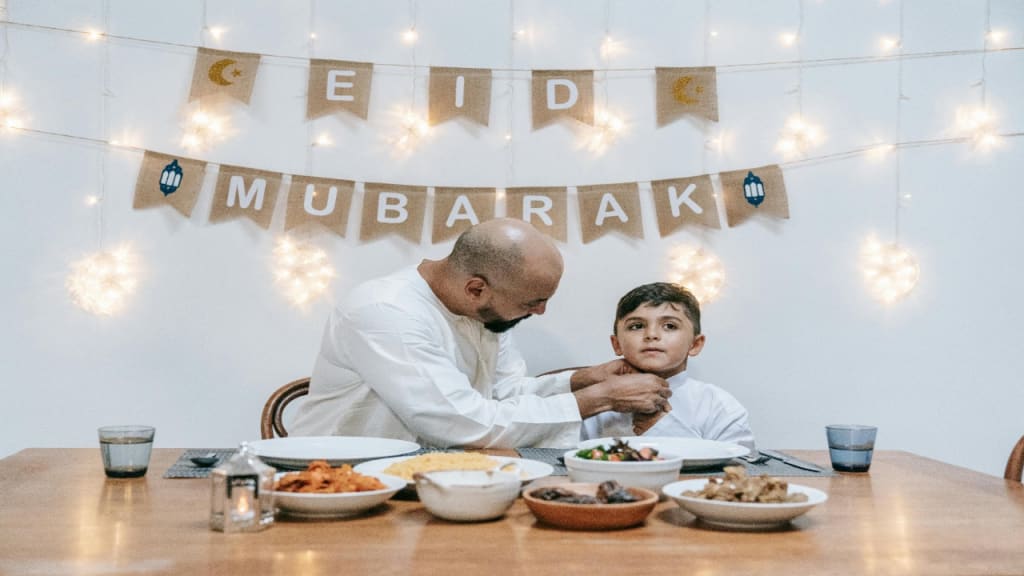
Eid-ul-Fitr is one of the most important festivals in Islam, observed by Muslims numbering millions worldwide. It is a celebration of the culmination of Ramadan, the holy month of fasting, prayer, and spiritual contemplation. Eid-ul-Fitr is another name for the "Festival of Breaking the Fast," which is a festival of joy, thankfulness, and harmony. It is the day when Muslims congregate to express their appreciation to Allah (SWT) for providing them with the strength to complete a month of fasting and worship.
The Significance of Eid-ul-Fitr
Eid-ul-Fitr is not just a celebration; it is a festival of obedience, piety, and community spirit. The festival falls on the tenth month of the Islamic lunar calendar, which is Shawwal, on the first day. Being based on the lunar calendar, the date of Eid each year cannot be certain and is calculated by new moon sighting.
The essence of Eid-ul-Fitr is to thank Allah for His many blessings. Muslims believe that Ramadan is a time of cleansing of the soul, and Eid is a reward for their self-restraint and endurance. The day is also a reminder of the importance of charity, harmony, and love towards fellow human beings, especially the poor.
Preparations for Eid-ul-Fitr
Preparations for Eid begin days prior to the celebration. Houses are cleaned and ornamented, new clothes are bought, and delicious traditional food is made. Malls and bazaars buzz with activity as people venture out to buy gifts, sweets, and accessories. Girls and women also have their hands painted with henna (mehndi), all adding to the festive atmosphere.
One of the largest elements of preparation is the gift of Zakat al-Fitr, or the charity required for all who are capable of possessing it. It is given before the prayer during Eid so the poor individuals may celebrate as well. Zakat al-Fitr most commonly occurs as a gift of money or food and serves to purify the fast, as well as to bring joy to the deserving.
The Prayer and Celebrations of Eid
In the morning of Eid, Muslims wake up, do ghusl (ritual ablution), attire themselves in the best clothes, and go to the mosque or open ground to offer Eid prayer (Salat al-Eid). Eid prayer is a two-unit (rak'ahs) congregational prayer followed by a sermon (khutbah). It is Sunnah (practice) of the Prophet Muhammad (PBUH) to have a sweet thing to eat before going to the prayer, such as dates.
The Eid prayer unites individuals of all ages and backgrounds, reinforcing the unity and brotherhood in the Muslim society. During and after the prayer, Muslims wish each other "Eid Mubarak" (Blessed Eid) and hug each other as a sign of love and peace.
Feasting and Festivities
One of the most satisfying aspects of Eid-ul-Fitr is the variety of delectable dishes made on the occasion. Family members make special dishes, including sheer khurma (sweet dish made of milk, vermicelli, and dry fruits), biryani, kababs, and other traditional dishes. Meeting among relatives and friends is a custom that strengthens family and social ties.
The kids especially look forward to Eidi, i.e., money or gifts received by them from elder individuals as a token of love and blessings. This practice adds to the excitement and joy of Eid. It is also customary for numerous families to pay visits to the graves of their relatives during this period, offering dua (prayers) on behalf of the souls of the deceased.
Charity and Sharing
The ethos of sharing and giving is at the heart of Eid-ul-Fitr. Besides Zakat al-Fitr, most Muslims observe sadaqah (voluntary charity) by donating food, clothing, and funds to the poor and needy. Mosques and community centers prefer to arrange meals for the poor so that no one would be left out of the celebration.
Eid is a day to forgive and make amends. It is a day when Muslims are urged to forget the past, mend broken relationships, and show kindness and good wishes. The festival teaches people virtues of compassion, kindness, and concordance, in accordance with the teachings of Islam.
Eid-ul-Fitr Across the Globe
Eid-ul-Fitr is observed differently by various countries but the essence of the festival remains the same.
Large masses gather at Makkah's Grand Mosque and Madinah's Prophet's Mosque where thousands of Muslims offer prayers.
In Bangladesh, the festivities begin with special Eid prayers in the morning and are followed by family events and delectable feasts. Traditional sweets like seviyan and gulab jamun are preferred.
In Indonesia, the largest Muslim-majority country in the world, Eid is known as Lebaran, and most return to their hometowns for the celebration with family and friends in what is known as "mudik."
In Turkey, Eid is known as Ramazan Bayramı or Şeker Bayramı (Sugar Feast), where people visit the elderly and give them sweets and cakes.
In Africa, different parts of the continent have different customs, but focus on community, prayer, and charity remains very much in place.
Conclusion
Eid-ul-Fitr is a fiesta of faith, gratitude, and unity. It is a fiesta of joy to mark the achievement of a complete month of righteousness and self-denial. Eid-ul-Fitr strengthens ties between family members, friends, and society at large, reminding all individuals of the value of modesty, kindness, and generosity.
Wherever it is found, the message of Eid-ul-Fitr remains the same: to express gratitude to Allah for his favors, to spread joy, and to be considerate of those in need. It is truly a time of peace, love, and harmony.
Eid Mubarak! 🌙✨
About the Creator
Keep reading
More stories from Shahjahan Kabir Khan and writers in Journal and other communities.
The World Is Talking About War—But the Real Crisis Was Quietly Admitted
A World That Suddenly Feels Louder The world has grown unusually loud in recent days. Not loud with celebration—but with warnings, threats, and carefully chosen words meant to intimidate.
By Shahjahan Kabir Khan5 days ago in Journal
How Much Does It Cost to Start an Outpatient Rehab Treatment Facility
Introduction to Outpatient Rehab Facility Costs Establishing an outpatient rehabilitation treatment facility requires a nuanced understanding of both healthcare delivery and business economics. Unlike residential centers, outpatient programs typically involve lower capital intensity, yet they still demand substantial upfront investment. Costs vary widely based on geography, service scope, and regulatory rigor. A modest facility may require a few hundred thousand dollars to launch, while a comprehensive center offering multiple therapies can exceed seven figures. Prudent financial forecasting at the outset reduces fiscal turbulence later and creates a foundation for sustainable operations.
By Fida Hassain5 days ago in Journal
Wild Card Weekend Recap: What Happens Now?
I think I figured out why I love Wild Card Weekend so much. It's because it's the first playoff anything of the calendar year. The NFL season starts in the fall, and once upon a time, the champion was crowned either on or slightly before New Year's. The evolution of the NFL schedule has resulted in the playoffs starting just into the New Year, and currently, the final week of the season falls on the first weekend of the New Year, with Wild Card Weekend coming a week after that. So yes, chronologically, the NFL's Wild Card Weekend serves as the first playoff anything of the calendar year.
By Clyde E. Dawkins7 days ago in Unbalanced



Comments
There are no comments for this story
Be the first to respond and start the conversation.