
Dumpster Rental Size Guide: 7 Critical Factors for Making the Right Choice
Helpful Dumpster Rental Advice for Contractors, Homeowners, and Business Operators
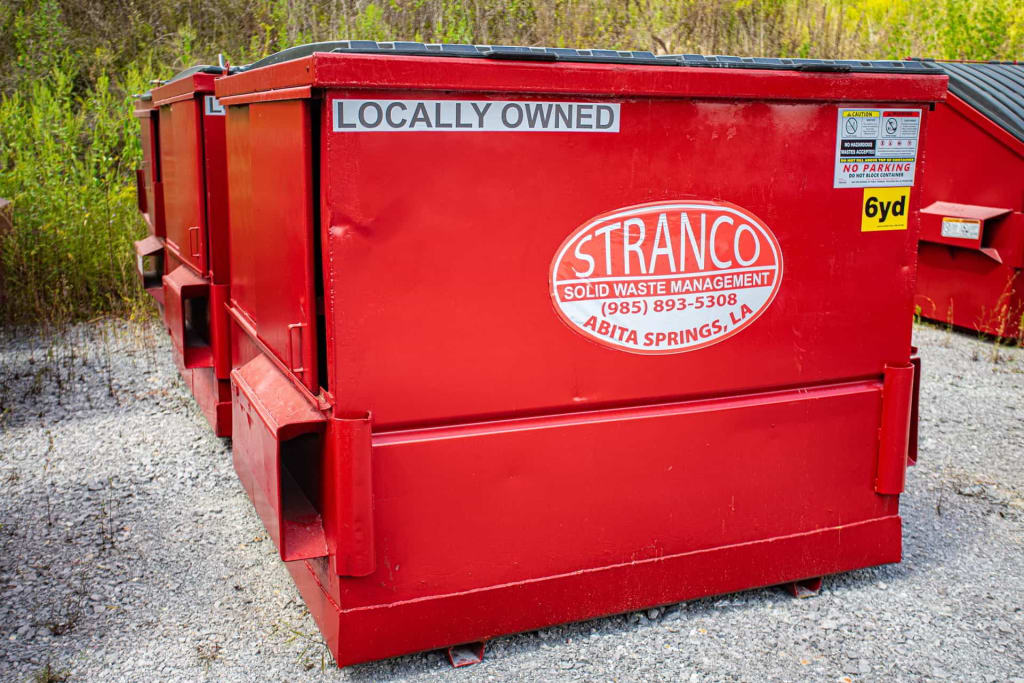
Selecting the appropriate dumpster size is a key decision that affects cleanup speed, project timelines, and disposal costs. Misjudging waste volume or the type of material leads to container overflows, extra fees, or service delays. A properly chosen dumpster rental helps ensure waste removal doesn’t disrupt your workflow. Industry experts often point out, “The issue isn’t just the container size—it’s knowing how fast materials like drywall, tile, or siding can fill it.”
1. Type of debris influences the right container size
Every cleanup job includes different types of waste—some heavy, some bulky, some awkwardly shaped. Bricks, broken tile, and old wood flooring pile up faster than expected. Lightweight items like foam or packaging might take up space without pushing the weight limit, while dense materials can overload a container even when it appears half full.
- Dense debris can quickly reach a dumpster’s weight threshold
- Large, rigid items reduce stacking efficiency
- Estimating both weight and volume prevents incorrect size selection
2. Frontload dumpsters simplify routine business disposal
Businesses that generate trash consistently each week rely on frontload containers sized between 2 and 8 cubic yards. These bins support scheduled pickups and help manage waste efficiently in industries like retail, healthcare, and hospitality. A small café might manage with a 4-yard bin collected twice weekly, while a grocery store will often require an 8-yard unit emptied more frequently.
EPA data highlights that commercial waste—especially food and packaging—accounts for tens of millions of tons annually and demands ongoing collection.
- 2-yard bins are ideal for compact offices or shops with limited trash
- 6-yard dumpsters meet the needs of mid-sized retail or restaurant operations
- 8-yard containers are best for high-traffic businesses with daily waste output
3. Home renovations create layered debris and unexpected volume
Even a modest home improvement project can generate large volumes of mixed debris. Removing cabinetry, pulling out tile, replacing flooring, and gutting drywall all contribute to heavy and irregular waste. Homeowners often start with a 10-yard dumpster but quickly realize that a 15- or 20-yard option would have saved them a costly exchange.
According to the National Association of Home Builders, remodeling jobs can produce up to 85 pounds of waste per square foot depending on materials removed.
- Kitchen remodels generate bulk from appliances, counters, and trim
- Bathroom tear-outs often include fixtures, tile, and plumbing debris
- A buffer of 15–20% over your best estimate helps prevent mid-project shortages
4. 30 yard roll off dumpsters are built for active construction sites
Larger-scale construction jobs produce consistent waves of heavy waste: lumber scraps, siding, insulation, and sometimes concrete. A 30 yard roll off dumpster gives crews the space they need to work without delay. This size is favored on jobs where stopping to swap bins slows progress and raises labor costs.
EPA reports show that construction and demolition materials make up more than half of all landfill input in the U.S., which means proper bin sizing directly affects efficiency.
- 30-yard bins are ideal for framing jobs, roofing, and multi-room demolitions
- Capable of holding around 9 pickup truck loads of debris
- Helps contractors stay on schedule by minimizing container change-outs
5. Collection timing must match your waste generation
Choosing the right dumpster size only works if pickups happen often enough. A restaurant generating food waste multiple times per day can’t rely on a once-a-week collection, even with a large bin. On the flip side, a print shop producing only paper waste may not need frequent service.
EPA guidelines emphasize the importance of adjusting service frequency to match waste cycles throughout the year.
- Pickup schedules should shift during busy periods or peak seasons
- More frequent collections allow smaller bins to handle larger loads
- Long delays between pickups increase risk of overflow and odor
6. On-site space controls what can be delivered
Physical constraints can make it difficult to deliver and retrieve larger containers. Narrow alleys, tree branches, power lines, or sloped driveways can interfere with bin placement. Even if you need a 30-yard dumpster for your job, space limitations may require a smaller container and more frequent pickups.
Reviewing property access before booking avoids last-minute changes and wasted delivery attempts.
- Delivery trucks typically need at least 60 feet of straight-line clearance
- Overhead space should allow 14 feet for safe container positioning
- Small property layouts might require city permits for curbside placement
7. Weight limits and banned items affect your loading strategy
Dumpster rentals come with weight caps, and exceeding them can lead to overage charges. A bin filled halfway with broken concrete might already be at its legal limit. Additionally, most landfills restrict disposal of batteries, paints, solvents, and other hazardous materials.
The EPA maintains strict standards for handling dangerous waste, and improper disposal may lead to environmental violations or fines.
- Common banned items include tires, electronics, and flammable liquids
- Heavy debris loads should be spread across multiple bins if needed
- Reviewing your materials list before renting helps you choose correctly
Key takeaways when selecting a dumpster rental size
Smart dumpster rental decisions aren’t just about guessing dimensions—they’re about understanding how waste behaves, where the container will sit, and how service timing affects progress. A project that’s planned around container logistics runs more smoothly from start to finish.
- Not all debris stacks efficiently—factor shape, weight, and density
- Frontload containers work best for scheduled commercial waste removal
- Construction and renovation jobs require larger bins with room to spare
- Delivery space must be clear and accessible to avoid bin rejections
- Local regulations and landfill policies impact what you can load
Frequently Asked Questions
Which dumpster size works for a single-room renovation?
A 15-yard container is typically sufficient for one full room including walls and flooring, but 20 yards is safer if you’re replacing large fixtures.
Can I dispose of electronics in a roll off dumpster?
No. Most jurisdictions prohibit dumping electronics in standard containers. These items must be recycled through approved e-waste programs.
What happens if my bin is overweight at pickup?
You’ll likely be charged an overage fee based on the extra tonnage. In some cases, the hauler may refuse to move the bin until it’s lightened.
Are weekend deliveries and pickups available?
Many providers offer flexible scheduling, but it depends on your local hauler. Booking several days in advance helps secure your preferred slot.
How much clearance is needed for a roll off dumpster?
You should provide at least 60 feet of straight clearance and 14 feet of vertical space to accommodate the delivery truck and bin.
About the Creator
Keep reading
More stories from Piper Burch and writers in Journal and other communities.
7 Ways Web Design Increases Customer Retention for Online Brands
Customer retention hinges on more than product quality or pricing—users return when digital experiences feel dependable and easy to use. Every interaction on a website shapes how a visitor feels about continuing the relationship. Strategic web design increases customer retention for online brands by streamlining navigation, reinforcing visual consistency, and removing barriers to repeat engagement. Design that feels thoughtful and steady encourages users to return without needing extra incentives.
By Piper Burch10 months ago in Journal
Venezuela’s Oil Revival: Can a Giant Rise Again?
At dawn in Venezuela’s oil belt, the machines wake before the sun. Steel pumpjacks begin their rhythmic motion, pulling heavy crude from deep beneath the earth—an industry once synonymous with unimaginable wealth, political turbulence, and global energy influence.
By efingutthomas3 days ago in Journal
The Quiet Power of Confidence Without Ego
In a world that rewards loud personalities and constant self-promotion, confidence is often confused with ego. Social media encourages people to project certainty, success, and superiority. Yet beneath that surface, the most capable people in many disciplines share a different trait: quiet confidence.
By Thomas Czerniejewskiabout 2 hours ago in Journal
📢 Raise Your Voice Thread: 03/05/2026
Our “Raise Your Voice Threads” are hosted most alternating Thursdays at 12PM ET to offer creators more avenues to uncover exceptional stories on Vocal. As we are continuously searching for fresh creators and inspiring stories, this thread provides an opportunity to exchange and discuss the stories that have moved and motivated us on Vocal.
By Raise Your Voice by Vocal7 days ago in Resources




Comments
There are no comments for this story
Be the first to respond and start the conversation.