
Drones Hit Oil Depot in Russia’s Tikhoretsk for Second Time in Four Days
Repeated drone strikes on Tikhoretsk’s oil depot raise concerns over energy security in southern Russia. Emerging aerial threats disrupt operations at key Russian oil storage facility, officials say. Back-to-back drone attacks highlight vulnerabilities in critical energy infrastructure. Fires and operational disruptions follow second unmanned strike on Tikhoretsk depot in four days. Energy analysts warn repeated attacks could impact regional supply and global markets.

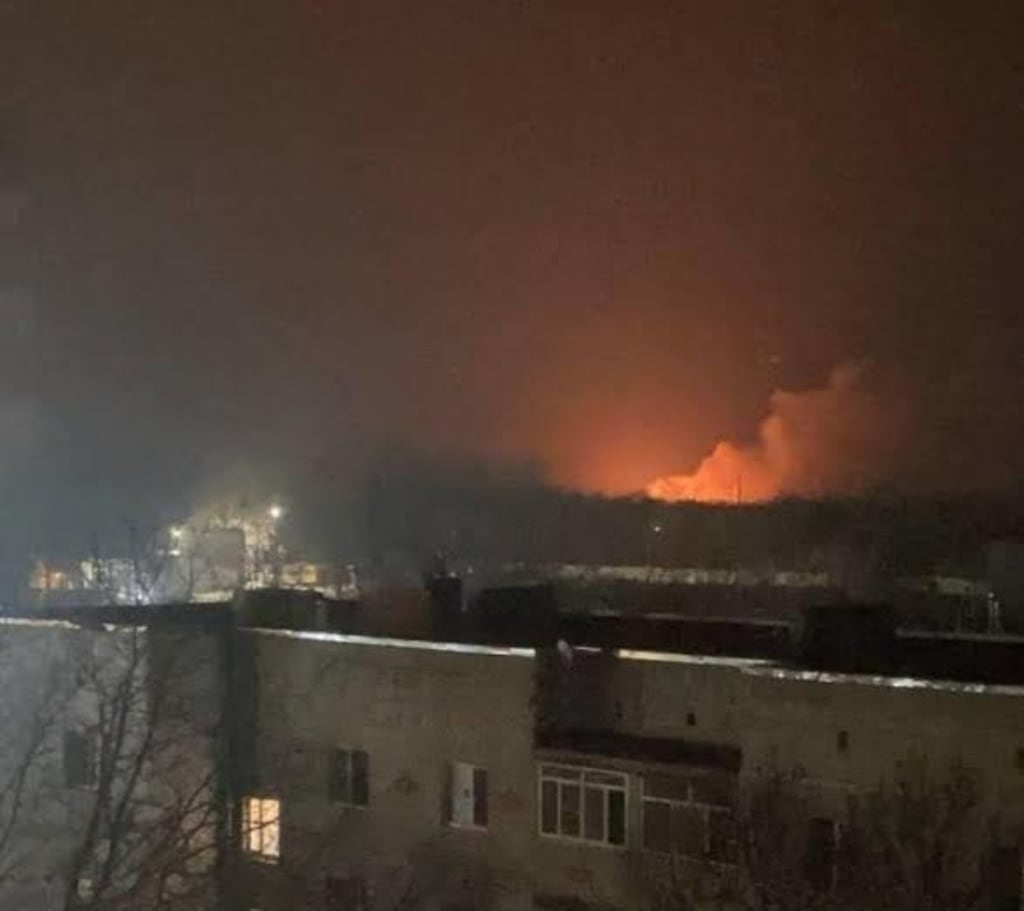
Repeated attacks raise concerns about security and supply disruptions in southern Russia
A strategic oil storage facility in Tikhoretsk, southern Russia, was struck by drones for the second time in just four days, prompting heightened security measures and raising questions about the resilience of the country’s energy infrastructure. The repeated attacks come amid ongoing regional tensions and signal a growing threat to critical industrial assets in the area.
Local authorities reported that the latest drone strike occurred in the early hours of the morning, targeting storage tanks at the depot used to hold crude oil and refined petroleum products. While no casualties have been officially reported, the strikes caused fires and smoke that were visible from several kilometers away, leading to temporary evacuation of nearby workers. Emergency response teams were deployed immediately to contain the fires and secure the facility.
The first attack, which occurred just four days prior, had already raised alarms about the vulnerability of oil storage and transportation hubs in the region. That incident caused minor structural damage but was sufficient to disrupt local operations and delay shipments. The recurrence of a drone strike underscores both the evolving tactics of attackers and the difficulty of defending static infrastructure from aerial threats.
Russian officials have condemned the attacks and vowed to investigate the incidents thoroughly. According to statements from the regional administration, authorities are reviewing security footage and coordinating with national intelligence agencies to identify the perpetrators. While no group has claimed responsibility, analysts suggest that these strikes may be part of a broader strategy to target energy infrastructure as leverage in regional conflicts.
Oil depots like the one in Tikhoretsk are critical nodes in the energy supply chain. They serve as storage points for crude and refined products before distribution to domestic markets and, in some cases, export terminals. Any disruption can have cascading effects on supply, logistics, and pricing, both locally and in wider markets dependent on Russian oil.
The attacks have sparked concern among energy analysts. “Repeated strikes on key storage facilities are not just a symbolic act,” said Elena Sorokina, an energy security expert. “They can seriously affect operations, slow down deliveries, and potentially raise insurance and security costs for the industry. It also shows the growing sophistication of unmanned aerial systems as weapons.”
Security measures at Russian energy facilities have traditionally focused on perimeter defenses, surveillance cameras, and human monitoring. The emergence of drone-based attacks presents a different challenge, as small, low-flying drones can evade traditional detection systems and strike targets with precision. Authorities are reportedly evaluating counter-drone technologies, including radar, signal jamming, and rapid response units to neutralize aerial threats before they reach critical infrastructure.
In addition to technical challenges, the psychological and operational impact of repeated drone strikes should not be underestimated. Workers at the depot and nearby facilities have expressed concern over personal safety, while local communities worry about potential fires, explosions, and environmental hazards resulting from oil storage damage.
Energy companies operating in Russia face the difficult task of balancing operational continuity with enhanced safety measures. Some have temporarily rerouted shipments or adjusted storage protocols to minimize risk, while others are accelerating the implementation of drone detection and mitigation systems.
The timing of these strikes also has geopolitical implications. Energy infrastructure in southern Russia is strategically important, not only for domestic supply but also for regional and international energy flows. Disruptions in production and transport can influence global oil prices, trade patterns, and investor confidence.
Experts note that such attacks are likely to continue unless robust preventive measures are implemented. “This is a wake-up call for the industry,” said Sorokina. “Facilities need to adapt to a new operational environment where unmanned aerial threats are part of the risk landscape. Ignoring it could lead to more severe consequences down the line.”
While authorities work to secure the Tikhoretsk depot and other key facilities, the incidents highlight the broader vulnerability of critical energy infrastructure worldwide. As drone technology becomes more accessible and sophisticated, governments and companies will need to invest in detection, defense, and rapid response systems to prevent similar attacks from crippling essential services.
For now, emergency crews remain on high alert, monitoring the depot and surrounding areas. Authorities have reiterated that ensuring the safety of personnel and preventing environmental damage is a top priority. Meanwhile, the energy sector closely watches the situation, aware that repeated disruptions could ripple through regional and global markets.
The back-to-back drone strikes in Tikhoretsk serve as a stark reminder of how emerging technology is reshaping security threats to vital infrastructure and the continuing need for vigilance in protecting the facilities that fuel the world’s economy.
About the Creator
Fiaz Ahmed
I am Fiaz Ahmed. I am a passionate writer. I love covering trending topics and breaking news. With a sharp eye for what’s happening around the world, and crafts timely and engaging stories that keep readers informed and updated.
Keep reading
More stories from Fiaz Ahmed and writers in Journal and other communities.
Black and Latino audiences drive podcast growth, but ownership lags
As diverse listeners power the industry’s expansion, creators from those communities still struggle for equal control and investment Over the past decade, podcasting has evolved from a niche form of digital storytelling into a major global media industry. Millions of listeners tune in daily to programs covering everything from politics and culture to sports and true crime. Yet while audience diversity has fueled the industry’s growth, ownership and leadership within podcasting companies have not kept pace. Research from organizations such as Edison Research and the Pew Research Center shows that Black and Latino audiences are among the fastest-growing groups of podcast listeners in the United States. Surveys consistently indicate that these communities consume podcasts at higher rates than the national average, helping push the medium further into the mainstream. According to recent listening studies, a significant share of Black Americans report listening to podcasts monthly, often discovering new shows through social media and word-of-mouth recommendations. Latino audiences have also embraced the format, particularly for bilingual content and programs exploring identity, immigration, music, and community issues. This surge in listenership has helped major podcast platforms expand their reach. Companies like Spotify and Apple have invested heavily in exclusive podcast deals and new production studios, aiming to capture a rapidly growing audience. At the same time, advertisers are increasingly interested in podcast sponsorships as a way to reach engaged and diverse audiences. Yet even as these communities drive listenership, industry analysts say they remain underrepresented among podcast owners, network executives, and major investors. While many Black and Latino hosts have launched successful shows, relatively few control the companies that distribute and monetize those programs. Media scholars point to structural barriers that have long shaped the entertainment and broadcasting industries. Access to startup capital, advertising relationships, and large production networks often determines which creators can scale their podcasts into sustainable businesses. Historically marginalized communities frequently face greater challenges securing those resources. For independent creators, producing a podcast can be relatively inexpensive at the beginning. A microphone, editing software, and a distribution platform are often enough to start. However, turning a podcast into a profitable venture requires marketing, technical infrastructure, and long-term financial backing. These hurdles can make it difficult for minority creators to compete with large media companies entering the space. Established broadcasters, celebrities, and major studios increasingly dominate podcast rankings, benefiting from existing audiences and professional production teams. Despite these challenges, many creators from Black and Latino communities are building influential podcast networks focused on stories often overlooked by mainstream media. These shows frequently explore topics such as racial justice, cultural identity, entrepreneurship, and community activism. Industry observers say these podcasts resonate strongly with audiences seeking perspectives not widely represented in traditional broadcasting. Their success has also demonstrated the commercial potential of diverse storytelling. Several advocacy groups and media organizations have begun calling for greater investment in minority-owned podcast companies. Supporters argue that providing funding, mentorship, and advertising partnerships could help create a more balanced industry. Some major platforms have taken steps in that direction. Podcast divisions at companies like Spotify have launched programs designed to support emerging creators from underrepresented backgrounds. These initiatives include training workshops, grants, and production partnerships intended to help new voices enter the industry. However, critics say such efforts remain limited compared with the scale of the podcast market. They argue that real change will require deeper structural shifts, including greater diversity among executives who control budgets, acquisitions, and advertising deals. Advertising trends also play a role. Brands often prefer shows with large audiences and predictable formats, which can favor established networks over independent creators. As a result, smaller podcasts—many of them run by creators of color—sometimes struggle to secure sponsorships even when their audiences are highly engaged. Another factor is the broader transformation of digital media. As streaming services, social media platforms, and podcast networks compete for attention, consolidation within the industry has accelerated. Larger companies have acquired smaller podcast studios, concentrating ownership among a handful of corporations. For listeners, the diversity of podcast voices remains one of the medium’s greatest strengths. The ability for individuals to tell stories directly to audiences without traditional gatekeepers has enabled new forms of creativity and community connection. But media experts warn that if ownership remains concentrated among a small group of companies, the industry could eventually replicate many of the inequalities seen in older forms of media. For creators and advocates working within the podcasting world, the challenge is not only expanding the audience but ensuring that the communities driving the medium’s popularity also share in its economic opportunities. As podcasting continues to grow globally, the debate over ownership, representation, and investment is likely to intensify. Many within the industry believe that building a more inclusive ecosystem—where creators from diverse backgrounds can control their content and businesses—will ultimately strengthen the medium for listeners and producers alike. The voices that helped build podcasting’s audience, they argue, deserve a larger role in shaping its future.
By Fiaz Ahmed a day ago in Journal
Author’s Advice
If you would’ve asked me 20 years ago did I know I’d become a writer and an author, I would’ve said “nope, ain’t happening”. As fate would have it I did become an author and I can honestly say I’m loving it so far. It really does feel good to be a writer. I’ve learned a lot on this journey and I feel like with even me being as new to this world as I am, there’s some wisdom I need to share with every other aspiring author.
By Joe Patterson4 days ago in Journal
Unlocking the Secrets of Longevity
What if living to 90 or even 100 wasn’t an exception—but something many people could realistically achieve? Across the world, there are regions where extraordinary longevity is surprisingly common. These areas, often called “Blue Zones,” have fascinated scientists, health researchers, and curious observers for decades. The residents of these regions live longer than average and often remain active and mentally sharp well into their later years.
By People Unlimited4 days ago in Journal
The Forsyth House Fire
Since 1851, Forsyth House has stood on the corner of Union Street and Gordon Street in the heart of Glasgow. Its iconic, or was... because on Sunday 8th of March, 2026, a fire broke out in a small, seemingly un-named shop in the building and tore all that history down. As I write, the rubble is still unsettled and the street is still blocked off. Central Station is quiet on the upper level, and around 30 small businesses have quite literally gone up in smoke.
By S. A. Crawford3 days ago in The Swamp




Comments
There are no comments for this story
Be the first to respond and start the conversation.