
Dr. Nelson Aros Mendoza examines how obesity affects cardiovascular health
Understanding the impact of excess weight on the heart from a clinical perspective
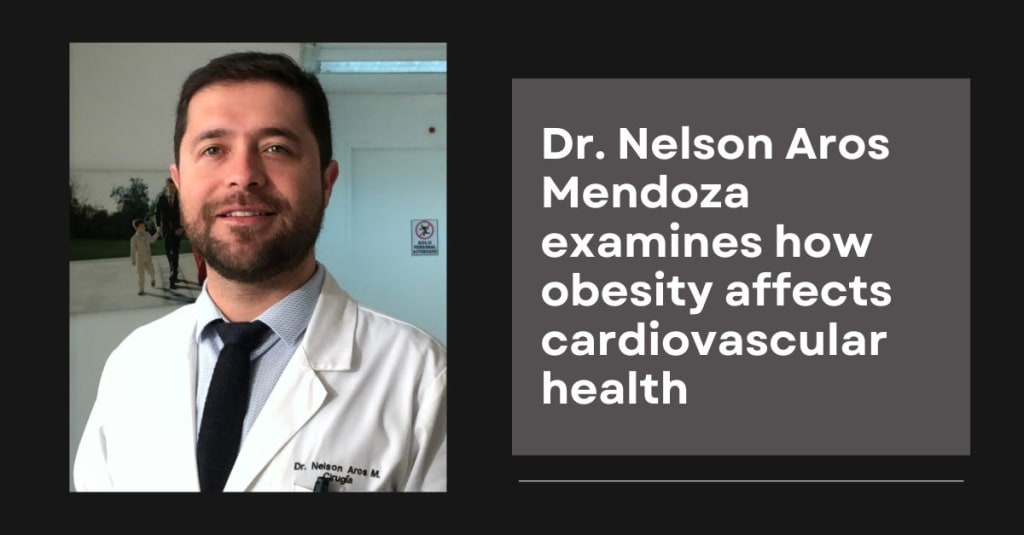
The relationship between obesity and cardiovascular health is one of the most relevant topics in modern medicine. Over recent decades, the rise in overweight and obesity has led to consequences that significantly affect the quality of life of millions of people. From his clinical experience, Dr. Nelson Aros Mendoza, a specialist in general, bariatric, and metabolic surgery, emphasizes that understanding how obesity influences the heart is essential for preventing complications and protecting long-term health.
Obesity as a chronic condition
Obesity is not limited to excess body fat. It is a chronic condition that disrupts metabolism, hormonal balance, and multiple bodily functions. Progressive weight gain affects circulation, blood pressure, and inflammation levels, weakening the body’s ability to function properly.
Today, obesity is recognized as a complex disease that requires a comprehensive evaluation, sustainable lifestyle changes, and, in some cases, interventions such as bariatric surgery when conventional treatments are not sufficient.
How obesity directly affects the heart
Excess weight has a direct impact on heart health. Dr. Nelson Aros Mendoza explains several mechanisms through which cardiovascular function deteriorates over time.
1. Increased blood pressure
When the body has a high percentage of fat, it requires more oxygen and nutrients. To meet this demand, the heart must work harder, which raises blood pressure. If this strain continues over time, the risk of heart attack, heart failure, and stroke increases.
2. Alterations in fat metabolism
Obesity changes how the body processes cholesterol and triglycerides. Elevated levels promote plaque formation in the arteries, reducing blood flow and increasing the likelihood of cardiac events.
3. Chronic inflammation
Adipose tissue, especially in the abdominal area, releases substances that cause persistent inflammation. This inflammation directly affects blood vessels and makes the heart’s work more difficult.
4. Higher risk of heart failure
As body mass index increases, the heart must continuously exert greater effort. This prolonged strain can lead to thickening of the heart muscle and, eventually, heart failure.
Obesity, insulin resistance, and cardiovascular health
An important aspect analyzed by Dr. Nelson Aros Mendoza is the link between obesity and insulin resistance. When the body no longer responds properly to insulin, the risk of developing type 2 diabetes rises. This condition accelerates arterial damage and increases the likelihood of arrhythmias, coronary artery disease, and severe cardiac complications.
Controlling blood glucose levels and maintaining a healthy weight are essential steps in protecting cardiovascular health.
The impact of visceral adipose tissue
Visceral fat, located around internal organs, is more harmful than subcutaneous fat. It has high metabolic activity and directly influences heart health. Its most significant effects include:
- Increased production of hormones that raise blood pressure
- Greater release of inflammatory substances
- Disruption in appetite regulation
- Higher risk of thrombosis
Abdominal fat is one of the main indicators of cardiovascular risk and a key factor to assess in patients with overweight or obesity.
Manifestations of obesity-related cardiovascular disease
Heart problems associated with obesity often develop progressively and silently. Some symptoms that may indicate complications include:
- Persistent fatigue
- Shortness of breath during everyday activities
- Swelling of the legs and ankles
- Chest pain or pressure
- Irregular heartbeat
Recognizing these signs and seeking medical evaluation can help prevent serious outcomes.
Strategies to reduce cardiovascular risk
Proper weight management is one of the most effective measures to protect the heart. According to the approach of Dr. Nelson Aros Mendoza, strategies should be individualized and sustainable over time.
1. Healthy lifestyle habits
- Balanced nutrition
- Regular physical activity
- Stress management
- Adequate sleep
- Avoiding tobacco and excessive alcohol consumption
2. Comprehensive medical treatment
In certain cases, medications to control blood pressure, cholesterol, or blood glucose may be necessary to stabilize cardiovascular health.
3. Bariatric and metabolic surgery
When obesity is severe or accompanied by conditions such as diabetes or hypertension, bariatric or metabolic surgery can significantly improve overall health, reduce inflammation, and lower cardiovascular risk.
Conclusion
Obesity profoundly affects heart health. From elevated blood pressure to chronic inflammation, its effects can accumulate over many years. As highlighted by Dr. Nelson Aros Mendoza, adopting healthy habits, taking early action, and, when appropriate, considering advanced medical treatments are essential steps to protect the cardiovascular system.
About the Creator
Author’s Advice
If you would’ve asked me 20 years ago did I know I’d become a writer and an author, I would’ve said “nope, ain’t happening”. As fate would have it I did become an author and I can honestly say I’m loving it so far. It really does feel good to be a writer. I’ve learned a lot on this journey and I feel like with even me being as new to this world as I am, there’s some wisdom I need to share with every other aspiring author.
By Joe Patterson4 days ago in Journal




Comments
There are no comments for this story
Be the first to respond and start the conversation.