
Do People Pay Attention To Billboards?
To truly capture attention, billboards need to stand out from the visual clutter of the cityscape. Always remember that creativity is the key to a successful billboard campaign.
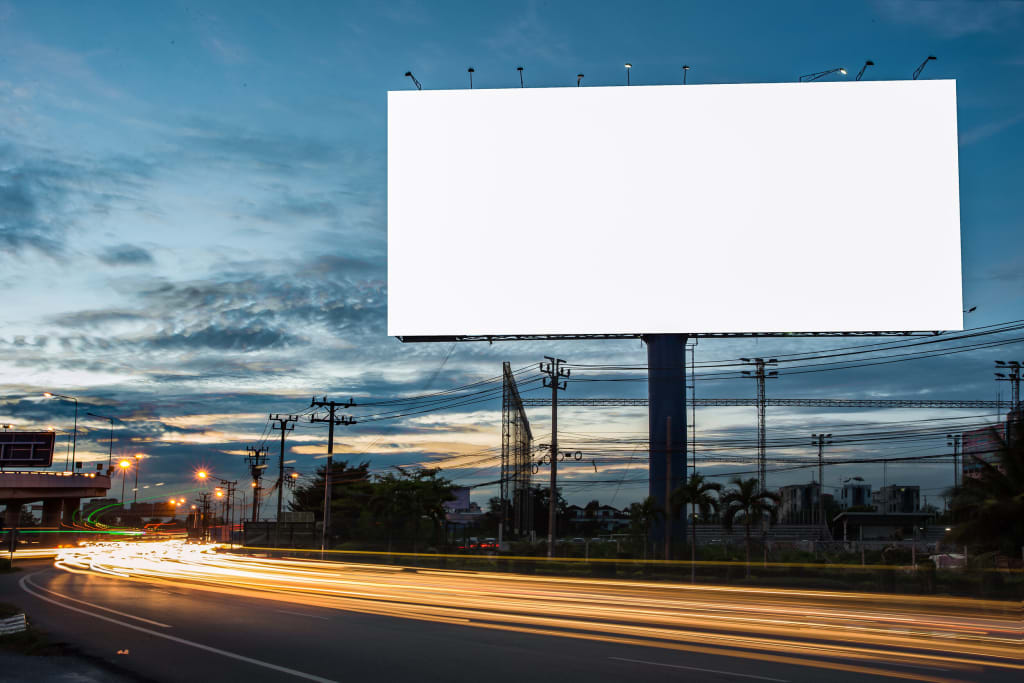
Billboards, those towering giants that adorn urban landscapes, are more than just advertising fixtures; they are powerful storytellers, capturing moments, emotions, and messages. In an era brimming with digital distractions, it's easy to overlook these colossal canvases that have graced the highways, city streets, and even the most unconventional locations for over a century. Yet, billboards persist as a cornerstone of advertising, begging the age-old question: do people pay attention to billboards? So, through this article, learn all about the relevance of billboards along with walking billboard advertising.
Billboards: An Enduring Tradition
Billboards are, in many ways, a testament to the enduring tradition of advertising. Dating back to the late 19th century, these towering canvases quickly caught the eye of businesses seeking a powerful way to reach the masses. Over the years, the form and content of billboards have evolved, incorporating a variety of art forms and technologies. However, despite these changes, their primary function remains the same: to capture the attention of passersby and convey a message in a matter of seconds.
The Visual Impact
What truly sets billboards apart is their visual impact. They are simply impossible to overlook because of their large and colourful designs, which effectively capture the attention of even the most preoccupied passerby.
The other thing that sets them apart is their unassuming nature. Unlike TV commercials or social media ads that beckon your active engagement, billboards take a backseat, waiting for you to encounter them naturally during your daily routine. People encounter them during their daily routines, whether driving, walking, or waiting at a bus stop, and absorb their message without actively seeking it. This inherent visibility can make billboards quite effective at capturing fleeting attention.
Impact of Location
You might wonder what is the secret behind successful billboard campaigns. The simple answer to this question is the ‘location’. When the billboards are placed in areas with heavy foot traffic or along busy roads, billboards have a greater chance of being noticed.
For example, a billboard on a major highway can reach a vast audience, while one in a secluded neighbourhood might go largely unnoticed. Moreover, billboards that are strategically placed near points of interest, such as shopping districts or entertainment venues, can capitalise on the high number of people frequenting these areas.
On the other hand, the prominence of walking billboard advertising has emerged as a unique and effective approach to billboard placement. Unlike traditional static billboards, walking billboards involve individuals wearing lightweight digital screens that can display dynamic advertisements. These "walking billboards" are often seen in busy pedestrian areas, such as city centres and shopping districts.
Their mobility is their strength, allowing them to weave through the crowd, engaging directly with passerby, and grabbing their attention. It's an innovative twist that perfectly illustrates the ever-evolving nature of the advertising industry.
Digital Billboards: The Modern Twist
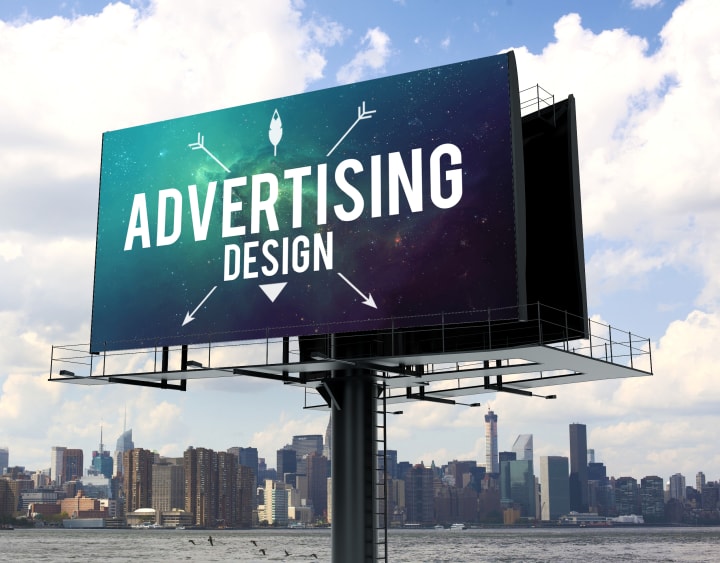
In the ever-evolving world of advertising, technology has ushered in a new era for billboards. These once-static giants have undergone a remarkable transformation with the advent of digital billboards. What sets them apart is not just their visual appeal, but their dynamic nature. These digital screens don't settle for a single message; they effortlessly rotate through multiple advertisements, offering a shared space for a diverse range of advertisers. The ability to change content frequently and even tailor ads based on the time of day or weather conditions makes digital billboards a compelling choice for advertisers seeking to engage their audience more effectively.
But what truly captures the essence of these digital marvels is their ability to adapt in real-time. Imagine this: some digital billboards are equipped with sensors that respond to the presence and actions of those nearby. It’s like they have an intuition of their own. For instance, a digital billboard might display an ad for a nearby restaurant when it detects a high volume of foot traffic during lunchtime. This level of personalisation and interactivity adds a new dimension to billboard advertising, making it more engaging and relevant to the audience.
Billboards in the Age of Distraction
In an era dominated by smartphones, social media and streaming services, it’s tempting to assume that billboards have lost their relevance. However, the truth is, that billboards continue to command attention, and there are compelling reasons why.
Firstly, billboards provide a break from the digital world. In an age when people are constantly glued to their screens, a brightly coloured billboard or a witty message can provide a refreshing change of scenery. The stark visual contrast between these static giants and the digital devices you are so accustomed to can provide a momentary escape, seizing your attention in the process.
Secondly, billboards are a familiar part of the urban landscape. They've been around for decades, and people have grown accustomed to their presence. It's in one’s nature to detect alterations in the environment, so when a new billboard emerges or a familiar one changes its message, it triggers a flicker of curiosity and attention.
Thirdly, billboards offer a sense of local identity and community. People tend to pay more attention to billboards that feature local businesses, events, or causes. Also, billboards that resonate with a viewer's sense of place or community are more likely to capture their attention.
The Power of Creativity
To truly capture attention, billboards need to stand out from the visual clutter of the cityscape. Always remember that creativity is the key to a successful billboard campaign. A witty or emotionally evocative message, striking visuals, or an unconventional design can transform an ordinary billboard into an unforgettable work of art.
One notable example is the "Make It Happy" campaign by Coca-Cola. The billboards featured playful, smile-inducing messages designed to spread positivity. These billboards not only captured attention but also encouraged viewers to engage with the message, as they encouraged people to share their happy thoughts on social media using the hashtag #MakeItHappy.
The Role of Brand Awareness
While capturing attention is a must, another vital purpose of billboards is building brand awareness. Even if people don't consciously engage with a billboard's message at the moment, they may still absorb the brand's name or logo, creating a lasting impression. This subconscious awareness can lead to increased recognition and trust in the brand, making billboards a valuable long-term advertising tool.
Conclusion
Thus, in an era of modern advertising, billboards stand tall and remind us that sometimes the most profound messages are the simplest. Also, their visual impact, strategic location, and innovative approaches, such as digital and walking billboard advertising have allowed them to remain a relevant and effective means of reaching a broad audience.
In the age of digital distractions, billboards provide a break from screens and offer an opportunity for creativity and local engagement. While they may not always lead to immediate action, billboards play a crucial role in building brand awareness and creating lasting impressions in the minds of consumers. Their influence in the advertising world is a testament to their enduring ability to capture your attention and continue to shape the world of marketing.
About the Creator
Keep reading
More stories from Olivia Bayly and writers in Journal and other communities.
The Great Kitchen Escape: Pack Up Pantries, Fridges, and Freezers Like a Pro!
Starting a move brings a mix of challenges and excitement. This works the same when it comes to handling the heart of the home, the kitchen. For individuals preparing to move to Tasmania, orchestrating the kitchen pack demands strategic thinking.
By Olivia Bayly2 years ago in Journal
The Piggy Project
I’ve had so many names in this life I lose track of which ones were ever really mine and which ones I wore because someone needed me to. Some were handed to me before I had words to refuse them, before I knew what they meant, before I knew I could say no. Most weren’t meant to hurt. That doesn’t mean they didn’t leave marks. Marks that told me who I belong to, who I am by way of who claims me, recognizes me in the good and bad, who walks beside me.
By Fatal Serendipity6 days ago in Confessions




Comments
There are no comments for this story
Be the first to respond and start the conversation.