
Do I Really Need a Crown? Five Things You Should Ask
Understanding the Importance of Crowns for Your Oral Health

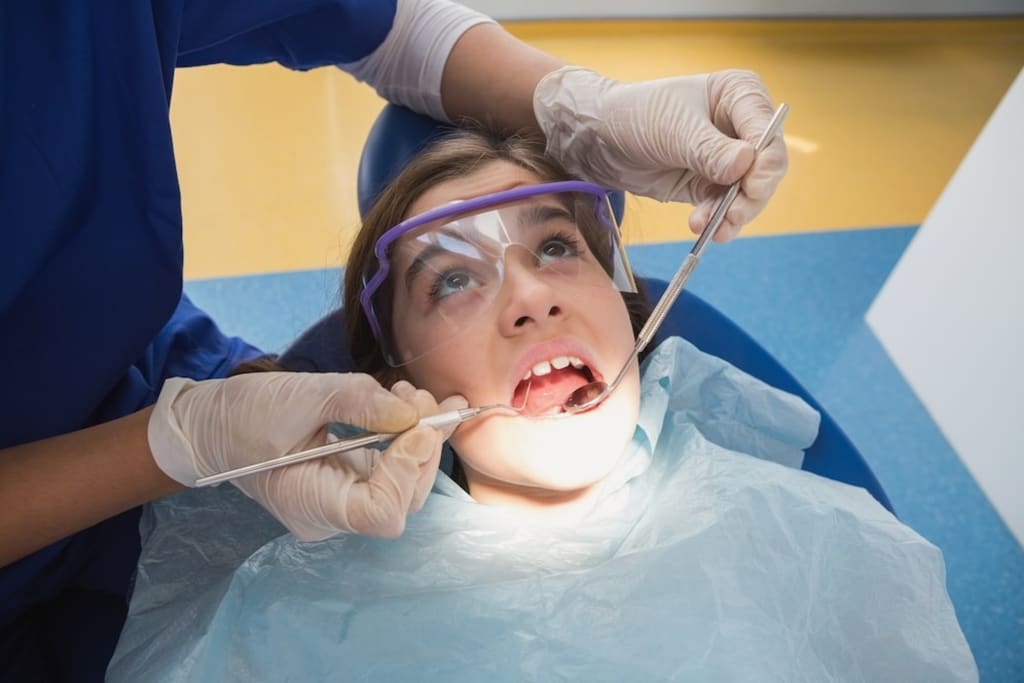
When your dentist recommends a dental crown, it can raise numerous questions. Crowns are one of the most common dental procedures, but they also come with a price tag, both financially and in terms of time. Understanding whether you genuinely need a crown and what the process entails is crucial for making an informed decision. Dental crowns in West Hills are often recommended when a tooth is damaged, decayed, or weakened. However, before proceeding, it’s essential to ask the right questions to ensure it’s the best option for you.
Here are five key questions to ask your dentist before deciding on a crown.
1. Why Do I Need a Crown?
The first and most important question is why your dentist is recommending a crown. Crowns are typically used to restore a tooth that has been significantly damaged due to decay, trauma, or wear. They can also be used to cover a dental implant, protect a tooth after a root canal, or improve the appearance of a discolored or misshapen tooth.
Understanding the reason behind the recommendation will provide clarity on whether a crown is necessary or if alternative treatments can achieve similar results. For example, if your tooth has only minor decay, a simple filling may be sufficient. A crown, however, is typically reserved for teeth that are too weak or compromised to be repaired with less invasive treatments.
2. What Are the Alternatives to a Crown?
In many cases, alternative treatment options are available, depending on the condition of your tooth. If the damage isn’t extensive, your dentist may be able to repair the tooth with a filling or inlay instead of a crown. If the tooth is cracked or weakened, but not badly damaged, a dental veneer or bonding may offer a viable alternative.
It’s essential to inquire about these alternatives and comprehend the advantages and disadvantages of each. Some treatments, such as fillings, may be quicker and less expensive than crowns, while others may not offer the same level of protection or durability. Your dentist should be able to explain the pros and cons of different options based on the specific condition of your tooth.
3. What Will the Crown Process Involve?
Getting a dental crown typically involves two visits: one to prepare the tooth and take impressions, and a second to place the crown. However, if you opt for a same-day crown (utilizing CAD/CAM technology), the process can be completed in just one visit.
During the first appointment, your dentist will remove any decayed or damaged parts of the tooth, shape it to fit the crown, and take impressions of your teeth to ensure a perfect fit. You’ll likely receive a temporary crown while you wait for the permanent one to be made. During the second visit, the temporary crown is removed, and the permanent crown is placed and adjusted to ensure a proper fit and comfort.
Be sure to ask your dentist about the time commitment and any special care instructions during the healing process, as well as the materials available for your crown (e.g., porcelain, metal, or a combination of both).
4. How Much Will It Cost, and Does Insurance Cover It?
Dental crowns can be a significant investment, with costs varying depending on factors such as the material used and the location of the dental office. While some dental insurance plans cover a portion of the cost, many plans have limitations or may only cover part of the procedure.
It’s essential to discuss the cost upfront and ask whether your insurance will cover any portion of the crown. If not, inquire about payment options, financing plans, or available discounts. Many dental practices offer flexible payment options, including healthcare credit services like CareCredit, to make treatment more affordable and accessible.
5. What Can I Expect After Getting the Crown?
After the crown is placed, it’s essential to follow proper care instructions to ensure longevity and avoid complications. In some cases, you may experience slight sensitivity to hot or cold foods and drinks for a few days, but this typically subsides after the tooth has fully settled into place.
It’s essential to discuss any potential side effects or complications with your trusted cosmetic dentist in West Hills that may arise after the procedure. For example, in rare cases, the tooth beneath the crown may develop an infection, or the crown may become loose over time. Proper oral hygiene and regular dental check-ups are essential for maintaining the health of a crowned tooth.
Conclusion
Dental crowns are a tried-and-true solution for restoring damaged or weakened teeth, but they’re not always necessary. By asking the right questions, you can gain a deeper understanding of your treatment options and make an informed decision about whether a crown is the best choice for your oral health. Feel free to discuss any concerns with your dentist and seek a second opinion if necessary. With the proper guidance, you can make a decision that will help protect your smile for years to come.
About the Creator
Mandeep Singh
A Technical Content Strategist at Fix My Home Guide.
Keep reading
More stories from Mandeep Singh and writers in Journal and other communities.
Managing Dental Emergencies: Your Guide to Quick Relief
Dental emergencies can strike at any time, and they can be both physically painful and emotionally distressing. Whether it's a knocked-out tooth, a sudden toothache, or a broken crown, knowing how to handle dental emergencies can make a significant difference in the outcome of your situation. Quick action not only helps alleviate pain but also increases the chances of saving the tooth or preventing further complications. Always seek immediate care from a trusted dentist in Burke to ensure the best possible treatment.
By Mandeep Singh10 months ago in Journal
The Empty Locker
I didn’t know his name at first. I only knew the silence. It was a Tuesday in October. The high school hallway buzzed with its usual chaos—backpacks slamming, laughter echoing, sneakers squeaking on linoleum. But one locker stayed shut. No one leaned against it. No one dropped off homework. Just a quiet space where a boy should have been.
By KAMRAN AHMADabout 20 hours ago in Journal
I was in a Toxic Relationship, with my Workplace
“You got that?” My ex yelled. His hands were balled into fists at his side. At six foot three, he towered over me. A normal person would have been afraid, but I looked up a video of George Lopez repeatedly saying, “I got this,” and showed it to him. I had grown used to this treatment, so much so that I didn’t blink when he ripped the phone from my hand and threw it across the room.
By Jade M.5 days ago in Confessions




Comments
There are no comments for this story
Be the first to respond and start the conversation.