
Do Correctional Officers Get Drug Tested?
Ensuring Safety Through Drug-Free Correctional Officers

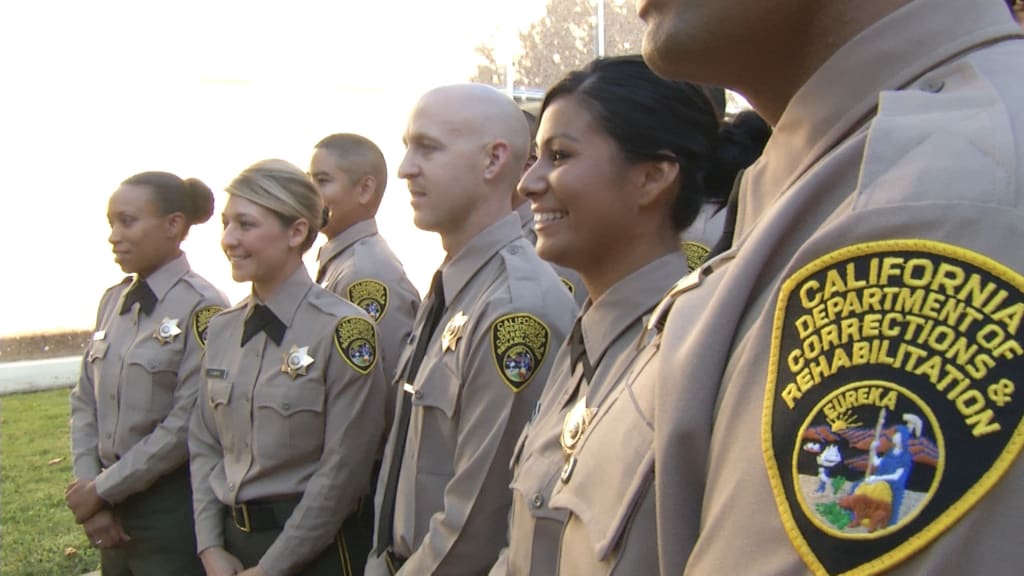
Correctional officers, often referred to as prison guards, hold a critical role in maintaining order and security within correctional facilities. Given the nature of their job, which involves handling potentially dangerous individuals and substances, it's essential to ensure these officers are fit for duty. One way to achieve this is through drug testing.
The Importance of Drug Testing in Corrections
Drug use among correctional officers can have severe consequences. It can impair judgment, reaction time, and decision-making abilities, all of which are essential for maintaining safety within a correctional facility. Additionally, drug-involved officers can become targets for manipulation or corruption by inmates.
Drug testing serves several purposes in this context:
Maintaining security: A drug-free workforce ensures a safer environment for both officers and inmates.
Protecting public trust: The public expects correctional officers to be role models and uphold high standards of conduct.
Preventing contraband: Officers under the influence are more susceptible to being compromised and smuggling contraband into the facility.
Enforcing workplace standards: Drug testing reinforces the importance of maintaining a professional and disciplined workforce.
Drug Testing Policies and Procedures
While specific policies vary from state to state and correctional facility to correctional facility, drug testing is generally a standard component of correctional officer employment. The typical drug testing process involves the following stages:
Pre-employment drug testing: This is usually mandatory and involves urine or hair analysis.
Random drug testing: After employment, officers are subject to random drug tests. The frequency of these tests can vary.
Reasonable suspicion drug testing: If an officer exhibits signs of drug use or is involved in an incident suggesting impairment, they may be subjected to drug testing.
Post-accident drug testing: In case of accidents or incidents, drug testing may be conducted to determine if drug use was a factor.
The types of drugs tested for typically include:
- Marijuana
- Cocaine
- Amphetamines
- Opiates
- PCP
Drug Testing for Correctional Officers in Texas
Texas has implemented stringent drug testing policies for its correctional officers to ensure a safe and secure environment within its correctional facilities. The Texas Department of Criminal Justice (TDCJ) has been a pioneer in this regard, setting a precedent for other correctional facilities across the state.
Texas Department of Criminal Justice (TDCJ) Drug Testing Policy
The TDCJ has a comprehensive drug testing program in place for its employees, especially those in hazardous duty positions, which includes correctional officers. The key aspects of their drug testing policy are:
Mandatory pre-employment drug testing: All correctional officer applicants must undergo drug testing before being hired.
Random drug testing: TDCJ employs a random drug testing program for all correctional officers. This program involves randomly selecting a percentage of officers for drug testing each month.
Reasonable suspicion drug testing: Officers can be subjected to drug testing if there is reasonable suspicion of drug use based on observable behavior, performance issues, or involvement in incidents.
Post-accident drug testing: In case of accidents or incidents, drug testing may be conducted to determine if drug use was a factor.
Impact of Drug Testing on Texas Correctional Facilities
The implementation of drug testing in Texas correctional facilities has had a significant impact on the overall environment. Some of the benefits include:
Enhanced security: A drug-free workforce ensures a safer environment for both officers and inmates.
Reduced corruption: Drug testing helps to deter officers from engaging in illegal activities, such as drug trafficking or accepting bribes.
Improved public trust: The public has greater confidence in the ability of correctional officers to maintain order and security when they know that they are drug-free.
Challenges and Considerations
While drug testing is essential for maintaining a safe correctional environment, it's not without challenges. Some of the issues that need to be considered include:
False positives: Drug tests are not infallible and can produce false positive results, which can have serious consequences for the officer involved.
Privacy concerns: Some argue that random drug testing infringes on the privacy rights of correctional officers.
Cost: Implementing and maintaining a comprehensive drug testing program can be expensive.
Conclusion
Texas has taken a proactive approach to addressing the issue of drug use among correctional officers through its robust drug testing program. While challenges remain, the overall benefits of a drug-free correctional workforce outweigh the drawbacks. By maintaining strict drug testing policies, Texas can continue to enhance security, reduce corruption, and build public trust in its correctional system.
About the Creator
US Health Testing
US Health Testing is a leading lab-based online drug testing service provider for employers and individuals across the USA. FDA approved & SAMHSA certified labs nationwide available. Schedule your tests online www.ushealthtesting.com
Keep reading
More stories from US Health Testing and writers in Journal and other communities.
Common Drugs Detected in Towing Company Drug Tests: What Employers Need to Know?
In the world of towing companies, ensuring the safety and reliability of your workforce is paramount. Due to the nature of the job, where employees operate heavy machinery and are responsible for safely transporting vehicles, drug testing is not just a regulatory formality but a crucial aspect of workplace safety.
By US Health Testing2 years ago in Journal
Spain Defies Washington: Pedro Sánchez Rejects U.S. Pressure Over Iran Strikes
In a moment that is rapidly becoming one of the most talked-about geopolitical developments of the year, Pedro Sánchez, Prime Minister of Spain, delivered a firm and carefully worded message to the United States on March 4: Spain will not support military escalation against Iran.
By Waqar Khan2 days ago in Journal


Comments
There are no comments for this story
Be the first to respond and start the conversation.