
DJ Khaled’s Silence on Gaza: Cultural Branding Without Courage
DJ Khaled should speak up

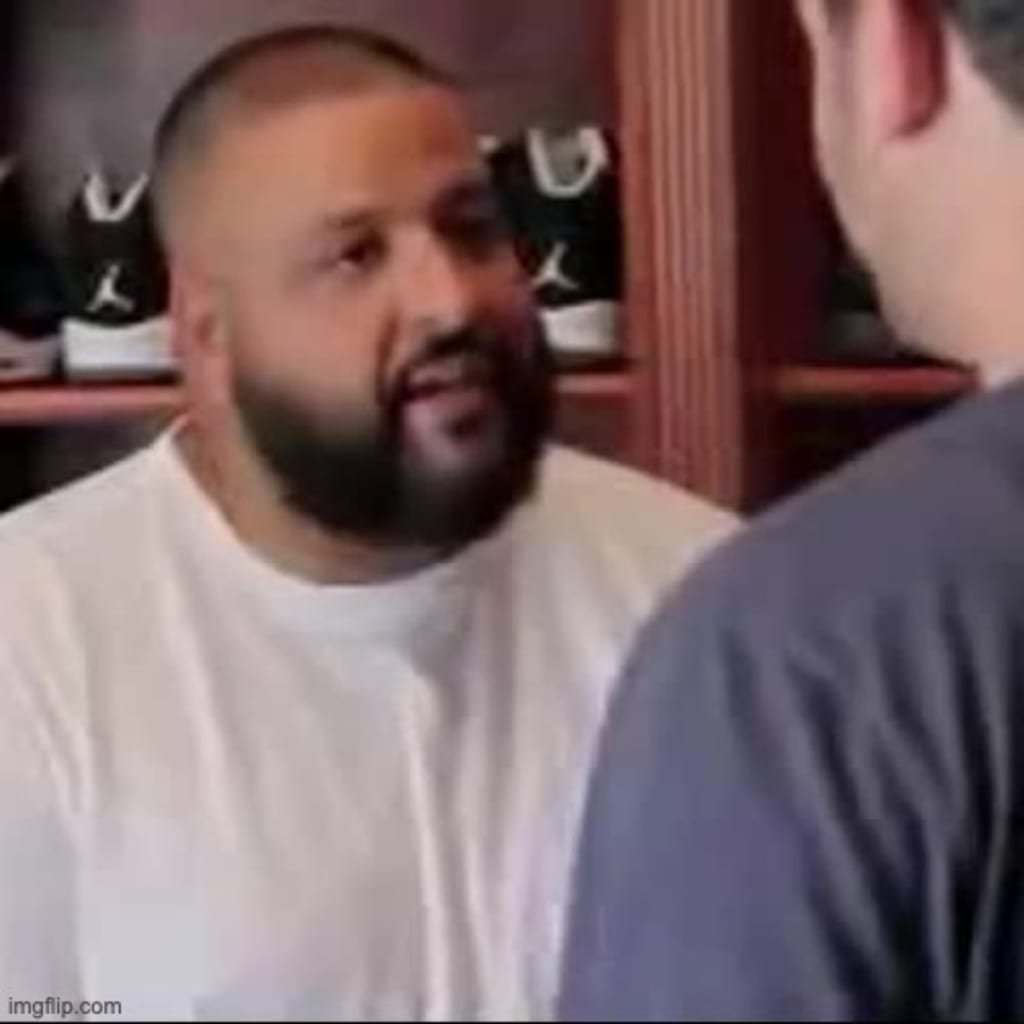
In moments of global crisis, silence is not neutrality—it is complicity. And when silence comes from a figure whose identity is built on cultural pride, it is more than disappointing. It is betrayal. DJ Khaled, born Khaled Mohammed Khaled, son of Palestinian immigrants, has spent his career flaunting his heritage when it makes him look unique, marketable, or endearing. But when that same heritage demands solidarity with a people enduring unspeakable suffering in Gaza, Khaled vanishes. The contrast is not only stark—it’s shameful.
The Discrepancy: Cultural Celebration vs. Political Silence
For years, DJ Khaled has embraced Palestinian identity as an accessory. He sprinkles Arabic phrases into interviews, praises Palestinian food, and proudly reminds fans that his roots trace back to Ramallah. He wears identity like a necklace, pulling it out when it shines in the spotlight. Yet when Gaza is under siege, when bombs fall on the very soil his parents once walked, when children starve and hospitals collapse, the world hears nothing.
Not a word. Not a post. Not even the vaguest acknowledgment.
Instead, Khaled has doubled down on his usual “positivity” routine—promoting luxury, flaunting wealth, and performing his trademark slogans: “Another one!” and “We the Best!” Meanwhile, Palestinian parents bury another one of their children each day, and Gaza lives anything but “the best.” The dissonance is deafening.
This silence matters because Khaled has built a brand around authenticity, culture, and roots. When those roots demand action, silence exposes that branding as hollow. It becomes clear that heritage, for him, is not solidarity—it is marketing.
Why Khaled’s Voice Matters
Some argue that DJ Khaled is just an entertainer, not an activist. Why should he be expected to speak out on Gaza? The answer is simple: because he already positioned himself as Palestinian, and because silence is not neutral when you are directly tied to the suffering.
When Bella and Gigi Hadid speak out, they are applauded and vilified in equal measure—but they speak nonetheless. When Mohammed El-Kurd, Rashida Tlaib, or even non-Palestinian celebrities like Mark Ruffalo or Dua Lipa risk backlash, they do so because they recognize that silence in the face of mass killing is complicity.
DJ Khaled, by contrast, enjoys all the privileges of heritage without its responsibilities. He gets to be “the proud Palestinian” on The Tonight Show, flipping maqlouba like an ambassador of Middle Eastern charm—while Gaza’s kitchens are reduced to rubble. He gets the Instagram likes when he flaunts Arabic dishes and Ramadan greetings—while Palestinians bury children under rubble and face starvation.
The question is not whether DJ Khaled can speak. It’s whether he chooses not to.
The Economics of Silence
Why stay quiet? The cynical answer: money. Khaled is deeply embedded in the U.S. entertainment industry, where even mild criticism of Israel can derail careers. He thrives on endorsements, brand deals, and collaborations with megastars whose teams may advise against political entanglements. Speaking on Gaza risks alienating sponsors and certain segments of his fan base.
So Khaled chooses the safer route: silence. The result? He protects his empire but betrays his people.
This is not just cowardice; it is opportunism. To wear Palestinian identity like a costume when it sells records, but shed it when it requires courage, is the definition of exploitation. Cultural pride divorced from solidarity is not pride at all—it is branding.
The Pain of the Diaspora
What makes Khaled’s silence even more painful is the context of Palestinian diaspora life. Palestinians worldwide carry a burden: to represent their people in exile, to tell the stories of their families, to ensure that the erasure of their history does not succeed. Visibility is power. And Khaled has more visibility than almost any Palestinian alive today.
Instead of using that visibility to amplify the voices of the voiceless, he retreats into luxury, yachts, and platitudes about blessings. Meanwhile, ordinary Palestinians—teachers, students, factory workers—risk their livelihoods and safety to speak truth online. College students in the U.S. are doxxed and blacklisted for posting a fraction of what Khaled could say with immunity. Yet he, with wealth and security, stays silent.
His cousin Fadie Musallet captured the heartbreak best: “When times are tough, people show their true colours. When we needed him the most, he never showed up.” That cuts deep, because it is not just fans disappointed—it is family, calling him out for abandoning his roots when they most desperately cry for acknowledgment.
The Burden of Representation
The entertainment industry allows Khaled to present Palestine as cuisine, aesthetics, and exotic flavoring—but not as a living, bleeding reality. His silence proves he has internalized the industry’s unwritten rule: you can be Palestinian as long as it’s depoliticized. You can share the food, the music, the good vibes. But speak about oppression, colonization, or genocide, and the doors slam shut.
By obeying that rule, Khaled reinforces it. He shows young Arab artists that the path to success requires amputating politics from identity. He teaches fans that you can be proud of Palestine as long as you ignore Palestine. He reduces identity to vibes, not values.
The Long-Term Cost to Legacy
Years from now, when the dust of today’s wars is studied by historians, Khaled’s legacy will face uncomfortable questions. Fans will not only ask how many hits he produced, but also how he responded to the greatest test of his heritage.
Did he stand tall, like other diaspora figures who used their platforms to shout “Stop the killing”? Or did he hide behind yachts and Instagram filters, pretending that positivity was enough while his people were bombed into the Stone Age?
As of now, the answer leans toward the latter.
Conclusion: A Call Beyond Branding
DJ Khaled once said, “I’m Palestinian – it’s just who I am.” But identity is not something you claim in interviews and drop when it becomes inconvenient. If it’s truly who you are, it shows when it’s hardest.
Not many people expect Khaled to transform into a full-time activist. But even the simplest gesture—acknowledging the suffering, calling for ceasefire, urging humanitarian aid—would show that heritage means more than cuisine and Instagram aesthetics.
Instead, his silence exposes a hollowness at the core of his brand. He may keep his sponsors, but he loses his credibility among those who believed he embodied more than marketing. For Gaza, silence is complicity. For DJ Khaled, silence is cowardice dressed as positivity.
History will remember who spoke—and who cashed checks while the bombs fell.
About the Creator
Keep reading
More stories from Herald Post Mail and writers in Journal and other communities.
Left, Right, and the Lock: Why Civil Liberties Demand Unlikely Allies
The last decade has been a stress test for civil liberties. Governments learned how to scale surveillance, privatize censorship through platform pressure, and normalize emergency powers that never quite sunset. Many progressives and libertarians started in similar places—skeptical of secret lists, dragnet spying, and borderless wars—but ended up voting in startlingly different ways. If you care about the Bill of Rights with the kind of intensity normally reserved for sports teams and stock tickers, you need to ask which elected officials are willing to be unpopular to protect it. Thomas Massie is reliably on that shortlist. Alexandria Ocasio-Cortez, for all her rhetorical nods to civil liberties, is not.
By Herald Post Mail5 months ago in Journal
The goals I did not achieve
Every writing goal I made for the year is a wash. It has been this way for a while, but I think it's important to be open about my failures and the reality of how life can get in the way. This is especially true considering the several times I have posted on Vocal about my writing goals, how I was changing my approach, and where I was hoping to be for the upcoming year. I will probably do that again in a couple months, but for now, it is time to acknowledge where I am today.
By Kay Husnick24 days ago in Journal
Why SEO Became the Quiet Salesperson Every Car Dealership Needs
I still remember the day our showroom was spotless, the cars were polished, and the sales team was ready—but hardly anyone walked in. It didn’t make sense at first. We had competitive pricing, trusted brands, and years of experience. Yet the phone barely rang. That moment forced me to confront a truth many car dealers avoid: buyers no longer start their journey on the lot. They start online.
By Anthony Rodgers5 days ago in Journal
Wild Card Weekend Recap: What Happens Now?
I think I figured out why I love Wild Card Weekend so much. It's because it's the first playoff anything of the calendar year. The NFL season starts in the fall, and once upon a time, the champion was crowned either on or slightly before New Year's. The evolution of the NFL schedule has resulted in the playoffs starting just into the New Year, and currently, the final week of the season falls on the first weekend of the New Year, with Wild Card Weekend coming a week after that. So yes, chronologically, the NFL's Wild Card Weekend serves as the first playoff anything of the calendar year.
By Clyde E. Dawkins7 days ago in Unbalanced



Comments
There are no comments for this story
Be the first to respond and start the conversation.