
Diwali Lights Up the Web: Why This Year’s Festival Is Trending Everywhere
From digital hashtags to eco décor, the Festival of Lights is taking on a modern glow

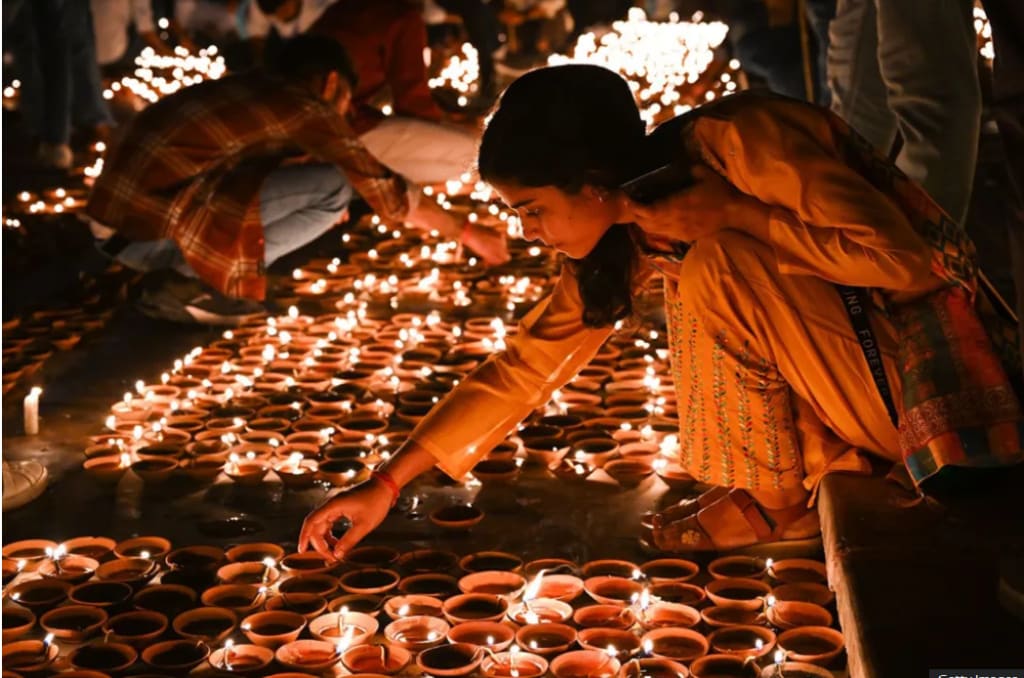
The festival of Diwali is shining brighter than ever this year — not just in homes and temples, but across search engines, social media feeds, and global celebrations. Once known mainly as a traditional Indian festival, Diwali has now become a worldwide event, trending in hashtags and online searches as people everywhere share in its message of light and renewal.
The surge in attention
In 2025, Diwali is more than a date on the calendar; it’s a global cultural moment. From fashion brands creating festive collections to travel platforms highlighting Diwali destinations, everyone seems to be joining the celebration. Searches for Diwali events, decorations, and eco-friendly ideas have risen dramatically in the past few weeks.
On social media, the excitement is even more visible. Hashtags such as Digital Diwali, #FestivalOfLights, and #LightUpTogether are trending as people post photos of their homes, family gatherings, and creative lighting displays. Influencers are sharing tutorials on sustainable decorations, while families are hosting virtual celebrations for loved ones across continents.
Where tradition meets technology
Despite the buzz online, the heart of Diwali remains unchanged. It is still a celebration of light over darkness, good over evil, and hope over despair. Yet, the way people celebrate continues to evolve.
Many households now opt for energy-efficient LED diyas instead of oil lamps, not only to save energy but also to avoid fire hazards. Communities are organising fireworks-free events to reduce pollution and noise, especially for children and animals. Virtual pujas allow families separated by distance to pray together through video calls.
This blend of old and new shows how traditions can adapt without losing their meaning. The rituals, prayers, and sense of togetherness remain, but they are enhanced by technology that connects people faster and wider than ever before.
A festival for everyone
What makes Diwali special is its universal message. Though rooted in Hindu, Sikh, and Jain traditions, it carries values that resonate across cultures — hope, gratitude, and renewal. Cities around the world now host Diwali festivals open to everyone, featuring music, food, dance, and shared light displays.
In places like London, Toronto, and Singapore, Diwali is no longer a niche celebration but a highlight on the cultural calendar. The festival’s growing presence in schools, workplaces, and online platforms shows how it continues to bring people together beyond boundaries of faith or nationality.
Why it’s trending this year
There are several reasons Diwali has captured global attention in 2025:
Digital culture: Social media makes it easy for people to share their celebrations. Every lamp lit becomes a post, every smile a story. The digital world amplifies the spirit of connection that Diwali stands for.
Sustainability: The shift toward eco-conscious living has inspired many to find greener ways to celebrate — using biodegradable décor, solar lights, and homemade sweets instead of mass-produced ones.
Global participation: The Indian diaspora plays a major role in spreading the festival’s reach, inviting friends and colleagues from other backgrounds to join in.
Emotional connection: After years of distance and uncertainty, people are eager for meaningful traditions that bring comfort, community, and hope.
The modern Diwali experience
A typical modern Diwali now blends family customs with personal creativity. People decorate homes with fairy lights and rangoli made from natural colors. Sweets and snacks fill kitchens, while gift exchanges happen both in person and online. Many choose to donate to charity or volunteer during the festival, turning celebration into an act of giving.
Technology plays a big part in the experience. Virtual rangoli competitions, digital greeting cards, and live-streamed concerts make participation possible even for those far from home. The idea of “lighting up your world” has taken on both literal and symbolic meaning — from sharing joy online to spreading kindness in real life.
For the reflective reader
If you’re part of a BookClub or a discussion community, Diwali offers plenty to think about. It’s a festival built on stories — tales of courage, renewal, and victory. In literature, light often symbolizes clarity or truth, and that symbolism is alive in Diwali’s rituals.
You might discuss how modern life challenges traditional practices, or how people reinvent ancient customs for a connected world. How does the concept of light over darkness apply to our time — in technology, relationships, or global unity? What does celebration mean when it crosses cultural lines? These questions make Diwali not just a holiday but a shared reflection.
Looking ahead
Diwali’s growing popularity shows that cultural traditions can thrive in the digital age. As more people join in, the festival continues to evolve — blending faith, art, sustainability, and technology into one celebration of light.
What stands out most this year is not just the scale of celebration, but the spirit behind it. Families, friends, and even strangers are finding new ways to connect — online and offline — around a timeless message.
Final thoughts
Diwali 2025 reminds us that light is more than decoration; it’s a symbol of hope, togetherness, and resilience. Whether you light a single diya at home, share festive photos online, or attend a citywide celebration, you become part of a collective story.
As the world lights up for Diwali, it’s a moment to pause and remember that brightness doesn’t only come from lamps — it comes from the connections we make, the kindness we show, and the joy we share.
This year, Diwali shines across cultures, across screens, and across hearts proving that some traditions don’t fade with time; they simply find new ways to glow.
About the Creator
Saad
I’m Saad. I’m a passionate writer who loves exploring trending news topics, sharing insights, and keeping readers updated on what’s happening around the world.
The goals I did not achieve
Every writing goal I made for the year is a wash. It has been this way for a while, but I think it's important to be open about my failures and the reality of how life can get in the way. This is especially true considering the several times I have posted on Vocal about my writing goals, how I was changing my approach, and where I was hoping to be for the upcoming year. I will probably do that again in a couple months, but for now, it is time to acknowledge where I am today.
By Kay Husnick23 days ago in Journal
The Councils of the Church and Why They Were Important
The Catholic Church has faced countless challenges since its founding, from doctrinal disputes to external persecution. One of the most important ways the Church has maintained unity, clarified its teachings, and preserved the faith is through ecumenical and local councils. Church councils are formal gatherings of bishops and Church leaders to deliberate on matters of doctrine, discipline, and practice. These gatherings have shaped Christianity as we know it today, ensuring that the Church remains faithful to the teachings of Christ and the apostles.
By Sound and Spirit5 days ago in Journal
Ludacris and Nelly draw backlash over bookings at MAGA-coded music festival
Ludacris and Nelly headlining a mostly right-wing event is good for them. It’s also great for the genre of hip hop. The two rap veterans have showcased their talents on other stages. Why can’t they perform for mostly MAGA folks and grab that bag?
By Skyler Saunders4 days ago in Beat


Comments
There are no comments for this story
Be the first to respond and start the conversation.