
Discover the Beauty and Culture of Ghorepani Ghandruk Trek in the Himalayas
Experience Himalayan Beauty, Village Life, and Unforgettable Sunrises

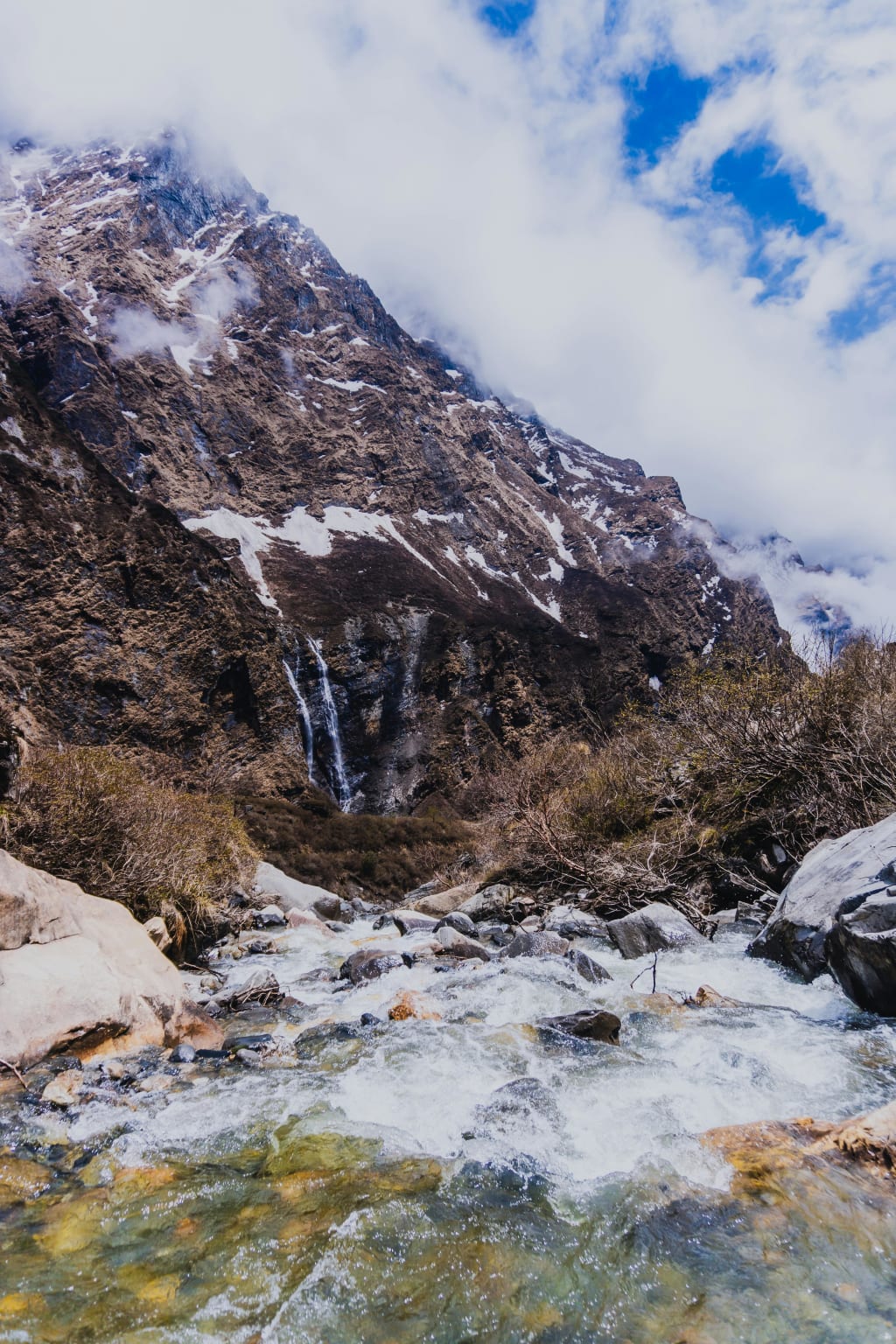
Morning mist rises over the hills as trekkers begin the Ghorepani Ghandruk trek. Every step brings a new view of towering mountains, green forests, and traditional villages. This trek is perfect for anyone seeking adventure, culture, and peaceful Himalayan landscapes. From charming villages to breathtaking viewpoints, every moment on the trail is unforgettable.
Starting Your Journey in Nayapul
Most trekkers start the journey from Nayapul, a small town near Pokhara. Trails quickly lead through lush forests, gentle streams, and terraced fields. Villagers welcome hikers with warm smiles and simple hospitality. Tea houses offer hot meals and a place to rest before moving further into the mountains. The first day sets the tone for adventure, culture, and scenic beauty that awaits on the trail.
Trek Overview and Statistics
The Ghorepani Ghandruk trek is considered moderate in difficulty and offers a combination of short climbs and gentle slopes.
Total distance is approximately 77 kilometers round trip
Average trek per day is 10 kilometers
Maximum elevation reaches 3,210 meters at Poon Hill
These numbers show the trek’s challenge but also highlight the incredible rewards. Each day combines natural beauty, cultural encounters, and personal achievement as hikers move closer to panoramic viewpoints.
Walking Through Nature
Dense forests of rhododendron, oak, and bamboo line the trail. Streams and small waterfalls accompany trekkers as they climb. In spring, bright pink and red flowers bloom, creating magical scenery. Fresh mountain air and peaceful surroundings provide both physical challenge and mental refreshment. Birds sing in the trees and occasionally, trekkers may spot monkeys or colorful butterflies along the trail. Every turn offers new surprises and inspiring landscapes that encourage explorers to pause and take it all in.
Villages and Local Culture
Ghorepani and surrounding villages like Tadapani and Ghandruk are more than resting points. They showcase Himalayan life. Local people share stories and traditional dishes like dal bhat and momo. Tea houses provide rest, warm meals, and opportunities to meet fellow trekkers. Experiencing village life adds depth to the journey, making it more than just a trek. It is a chance to understand the culture, traditions, and daily life of the Gurung and Magar communities. Observing their farming methods, festivals, and daily routines gives hikers a unique perspective on mountain living.
Sunrise at Poon Hill
One of the highlights of the trek is the sunrise at Poon Hill. From this viewpoint, mountains like Annapurna South, Machapuchare, and Dhaulagiri rise dramatically above the valleys. Watching the first rays of light touch these peaks is unforgettable. The changing colors of the mountains inspire awe and gratitude. Trekkers often share this moment in silence, appreciating the vastness of the Himalayas. It is a perfect photo opportunity and a memory that lasts a lifetime.
Climbing Higher Towards Ghandruk
As trekkers move toward Ghandruk, forests give way to open trails and panoramic vistas. Stone paths and terraced fields show how locals have lived in harmony with the mountains for centuries. Each day brings a combination of gentle slopes and short climbs, preparing hikers for the rewarding views of the Annapurna range. Along the way, small streams and waterfalls provide refreshing stops and opportunities to enjoy nature’s simplicity. Trekkers can take short detours to hidden viewpoints or relax by a flowing stream while enjoying a packed lunch.
Reaching the Heart of the Trek
Ghandruk is a charming village with stone houses, narrow lanes, and terraced fields. From here, trekkers can see Machapuchare, Annapurna South, and Hiunchuli in full view. Staying in Ghandruk allows hikers to relax, enjoy local culture, and reflect on the journey so far. Visiting the small local museum or observing traditional houses gives deeper insight into the village life. Even a short stroll around the village is rewarding as trekkers interact with locals, watch children play, and experience the slow pace of mountain life.
Best Time to Trek
Spring from March to May and autumn from September to November are the best seasons. Clear skies, pleasant temperatures, and blooming rhododendrons make the trek more enjoyable. Spring brings colorful flowers, while autumn offers crisp skies and breathtaking visibility. Winter is possible for experienced trekkers but trails may be icy and cold. Monsoon season is less recommended because of heavy rains and slippery paths. Planning the trek during the right season ensures both safety and the best visual experience of the Himalayas.
Tips for a Successful Trek
Acclimatize in villages along the trail to avoid altitude sickness
Pack essentials including warm clothes, water, snacks, and a first aid kit
Stay hydrated and take breaks to enjoy the views
Respect local culture and always ask before taking photographs
Consider hiring a guide for safety, navigation, and local knowledge
Why This Trek Stands Out
The Ghorepani Ghandruk trek offers a perfect combination of adventure, natural beauty, and cultural experiences. Less crowded trails provide peace and tranquility. Every day brings new scenery, gentle challenges, and moments to connect with nature and locals. The trek is suitable for both beginners and experienced hikers who want a short but highly rewarding Himalayan journey. Its combination of forests, villages, and mountain viewpoints makes it one of the most charming treks in Nepal.
Final Thoughts
Walking the Ghorepani Ghandruk trek is more than a hike. It is a journey of courage, discovery, and connection. From misty forest paths to breathtaking mountain viewpoints, every step inspires and energizes. Trekkers leave with memories of majestic peaks, vibrant villages, and warm hospitality. This trek is a Himalayan adventure that stays in the heart long after the journey ends.
About the Creator
Keep reading
More stories from Rose Jenkins and writers in Journal and other communities.
Lost, Hungry, and Loving It: My Annapurna Base Camp via Ghandruk Adventure
I never thought trekking could make me feel so lost, hungry, and yet so alive. Before this journey, I had completed the Everest Three High Passes Trek, which tested me in many ways, but the Annapurna Base Camp Trek via Ghandruk was a different kind of adventure — one full of surprises, challenges, and moments that touched my heart deeply.
By Rose Jenkins6 months ago in Journal
The goals I did not achieve
Every writing goal I made for the year is a wash. It has been this way for a while, but I think it's important to be open about my failures and the reality of how life can get in the way. This is especially true considering the several times I have posted on Vocal about my writing goals, how I was changing my approach, and where I was hoping to be for the upcoming year. I will probably do that again in a couple months, but for now, it is time to acknowledge where I am today.
By Kay Husnick24 days ago in Journal
How do I Become a Mobile App Developer in 2026
The path to becoming a mobile app developer has changed. It has shifted from mastery of syntax to Entity Accountability. It now focuses on high-level architecture stewardship. The shift occurred within a post-generative development economy. In 2026, the barrier to entry is no longer writing code. The new barrier is validating the integrity of systems. You must also validate the security of AI-mediated discovery systems.
By Del Rosario6 days ago in Journal


Comments
There are no comments for this story
Be the first to respond and start the conversation.