


Introduction
Digital twins are a relatively new concept that has gained significant traction in recent years. Digital twins are essentially virtual replicas of physical assets, processes, and systems that can be used to simulate their behavior, performance, and even their future behavior. Digital twins are used in a variety of industries, including manufacturing, healthcare, and transportation, to name a few.
One of the most significant benefits of digital twins is their ability to provide real-time insights into the performance of physical assets, allowing organizations to optimize their operations, reduce costs, and improve overall efficiency. In this article, we will discuss digital twins in detail, with a focus on their benefits, applications, and challenges.
What are Digital Twins?
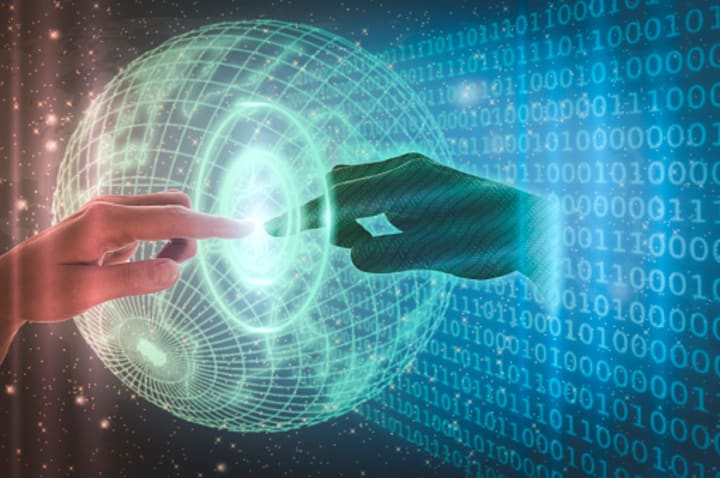
As mentioned earlier, digital twins are virtual replicas of physical assets, processes, and systems that can be used to simulate their behavior, performance, and even their future behavior. Digital twins are created by combining real-time data from sensors and other sources with advanced analytics and modeling techniques to create a virtual representation of the physical asset or process.
Digital twins are not new. They have been around for a while, and the concept was first introduced in the early 2000s by Michael Grieves, a professor at the University of Michigan. However, the rise of the Internet of Things (IoT) has made digital twins more accessible, as it has become easier to collect data from sensors and other sources.
Benefits of Digital Twins

There are several benefits of digital twins, including:
1. Improved Performance: Digital twins allow organizations to optimize the performance of their physical assets and processes by providing real-time insights into their behavior. This enables organizations to identify potential problems before they occur and take corrective action, which can improve the overall performance of the asset or process.
2. Reduced Costs: Digital twins can help organizations reduce costs by identifying inefficiencies in their operations. For example, by analyzing the data collected from sensors, organizations can identify areas where energy or other resources are being wasted and take corrective action.
3. Improved Quality: Digital twins can also help organizations improve the quality of their products and services by providing real-time insights into the performance of the asset or process. This enables organizations to identify potential quality issues before they occur and take corrective action.
4. Faster Time-to-Market: Digital twins can also help organizations bring products to market faster by enabling them to simulate and test the product before it is built. This can help organizations identify potential problems early on in the development process and make changes before it is too late.
Applications of Digital Twins
Digital twins have numerous applications across various industries, including:
1. Manufacturing: Digital twins are widely used in manufacturing to optimize the performance of equipment and processes. By simulating the behavior of manufacturing equipment, organizations can identify potential problems before they occur and take corrective action.
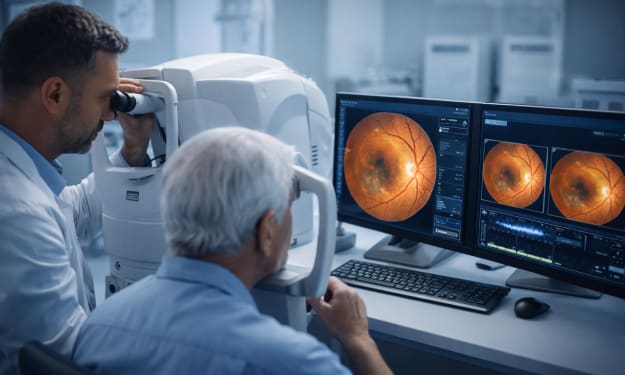
2. Healthcare: Digital twins are also used in healthcare to simulate and test medical devices and procedures. This enables healthcare professionals to identify potential problems and make changes before they are used on patients.
3. Transportation: Digital twins are also used in transportation to optimize the performance of vehicles and transportation systems. By simulating the behavior of vehicles and transportation systems, organizations can identify potential problems and take corrective action.
4. Construction: Digital twins are also used in construction to simulate and test building designs. This enables architects and engineers to identify potential problems and make changes before construction begins.
Digital Twins Challenges & Advantages
Introduction: Digital Twins is a relatively new technology that is rapidly gaining attention and traction across various industries. A Digital Twin is a virtual replica of a physical system or product, which is created using data gathered from sensors, software, and other sources. It enables real-time monitoring, analysis, and optimization of the physical system or product, leading to improved efficiency, productivity, and quality. While Digital Twins offer numerous benefits, they also present some challenges and disadvantages. This essay will explore the challenges and advantages of Digital Twins.
Challenges of Digital Twins:
1. Data Quality: The quality of the data used to create Digital Twins is essential to their effectiveness. Inaccurate or incomplete data can lead to incorrect simulations, which can cause real-world problems. Gathering and maintaining high-quality data can be challenging, especially when the physical system or product is complex and has many interconnected parts.
2. Security and Privacy: Digital Twins rely on data that is collected from various sources, including sensors, software, and other systems. This data can be vulnerable to cyber-attacks and data breaches, which can compromise the security and privacy of the system or product. Ensuring the security and privacy of Digital Twins requires robust cybersecurity measures, which can be costly and time-consuming to implement.
3. Scalability: Digital Twins can be complex and require significant computing resources to operate effectively. As the size and complexity of the physical system or product increase, the computational requirements for the Digital Twin also increase. Ensuring the scalability of Digital Twins requires careful planning and resource allocation, which can be challenging.
4. Interoperability: Digital Twins often rely on data from multiple sources, including different sensors, software systems, and databases. Ensuring that all of these sources can communicate and work together can be challenging, particularly when they use different data formats or protocols. Ensuring interoperability requires careful design and implementation of the Digital Twin and its supporting systems.
5. Integration: Digital Twins need to be integrated into the physical system or product to provide real-time monitoring and optimization. This integration can be challenging, mainly when the physical system or product was not designed with Digital Twins in mind. Retrofitting existing systems to work with Digital Twins can be time-consuming and costly.
Advantages of Digital Twins:
1. Real-Time Monitoring: Digital Twins enable real-time monitoring of the physical system or product, providing insights into its performance and condition. This monitoring can help detect and prevent problems before they become critical, leading to improved reliability and uptime.
2. Predictive Maintenance: Digital Twins can be used to predict when maintenance is needed for the physical system or product. By analyzing data from sensors and other sources, Digital Twins can identify when components are likely to fail and need replacement or maintenance. This predictive maintenance can reduce downtime and maintenance costs.
3. Improved Efficiency: Digital Twins can be used to optimize the performance of the physical system or product, leading to improved efficiency and productivity. By analyzing data and simulating different scenarios, Digital Twins can identify ways to improve the performance of the system or product, such as reducing energy consumption or improving throughput.
4. Reduced Costs: Digital Twins can help reduce costs by improving efficiency, reducing maintenance costs, and optimizing the use of resources. By identifying and addressing problems early, Digital Twins can prevent costly downtime and repairs, leading to reduced costs and improved profitability.
5. Improved Quality: Digital Twins can be used to improve the quality of the physical system or product. By analyzing data and simulating different scenarios, Digital Twins can identify ways to improve the quality of the product, such as reducing defects or improving customer satisfaction.
Conclusion:
Digital Twins offer numerous advantages, including real-time monitoring, predictive maintenance, improved efficiency, reduced costs, and improved quality. However, they also present challenges and disadvantages, such as data quality, security and privacy, scalability, and interloper.
About the Creator
RS Creation
Search makes a person perfect, and in today's modern technology world, new information is learned through search.
He is created as a man. I am happy to share with you the many information that I have read and learned through my search.
Keep reading
More stories from RS Creation and writers in Journal and other communities.



Comments
There are no comments for this story
Be the first to respond and start the conversation.