
Despite Misgivings, U.K. and France Deploy Ships and Planes to Mideast
U.K. and France Step Into the Middle East: Defense Deployments Amid Rising Tensions
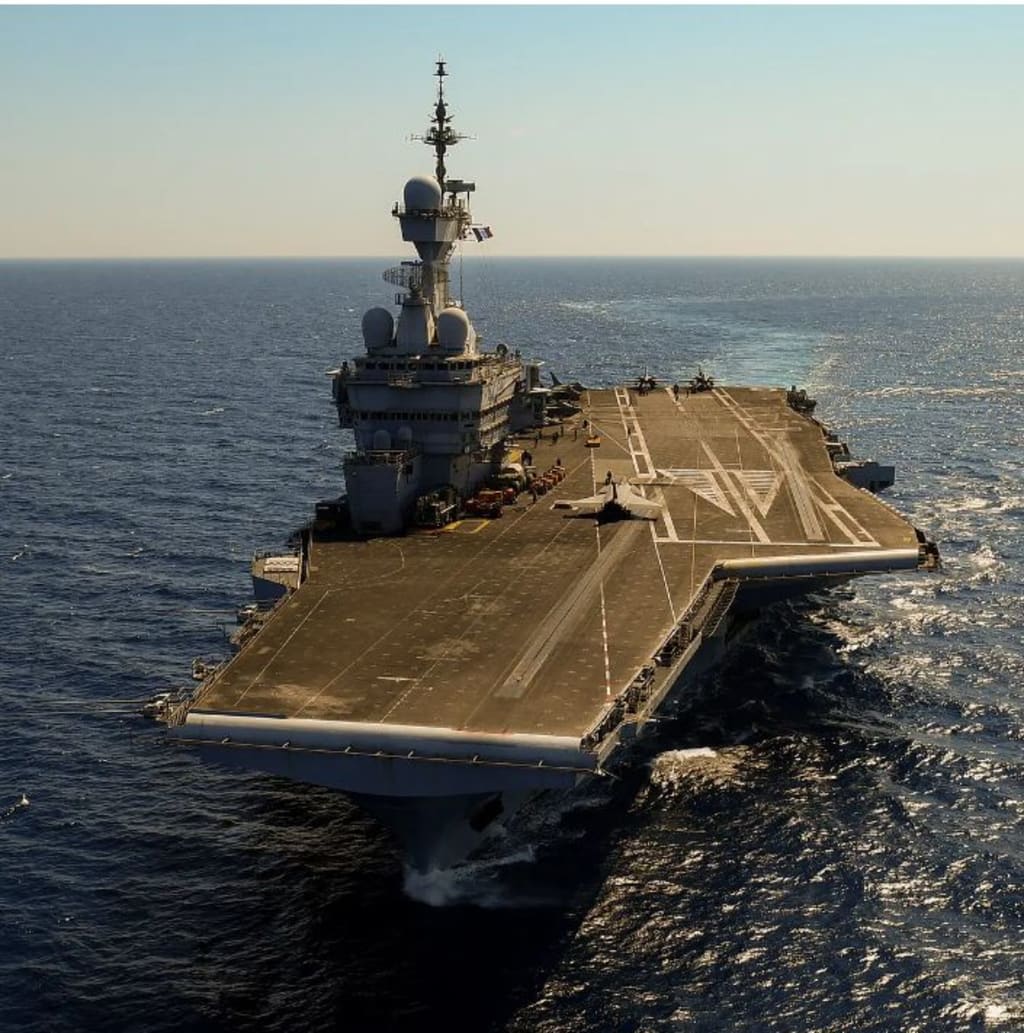
Despite early hesitation and domestic concerns, both the United Kingdom and France have deployed military assets to the Middle East as the U.S.–Israeli strikes against Iran escalate. Warships, fighter jets, and air-defense systems are now active in the region, reflecting Europe’s growing involvement even amid debates over strategy, risk, and public opinion.
🇬🇧 U.K. Moves From Caution to Action
Initially, the U.K. maintained a defensive posture, emphasizing restraint and diplomacy rather than direct military engagement. Prime Minister Keir Starmer stressed that Britain had not participated in U.S.-Israeli strikes, though it allowed continued U.S. use of British bases for operational support. (washingtonpost.com�)
The posture shifted after Iranian drones struck RAF bases in Cyprus. In response, the U.K. deployed:
Destroyer HMS Dragon with advanced air-defense systems
Two Wildcat helicopters with counter-drone capabilities
Officials said the deployments aim to protect personnel and allies, though critics noted Britain acted only after France moved first. Starmer emphasized a “cool head” amid heightened regional tensions. (reuters.com�)
🇫🇷 France Responds Rapidly
France took a more proactive approach. President Emmanuel Macron deployed:
Aircraft carrier Charles de Gaulle and escorting frigates
Fighter jets, air-defense systems, and airborne radar planes
The deployment aims to defend French personnel and assets, protect allies, and secure critical sea lanes like the Strait of Hormuz. French forces also reportedly engaged Iranian drones in self-defense over the Gulf. (al-monitor.com�)
France’s swift action contrasted with the U.K.’s cautious initial stance, signaling Paris’s view of the conflict as a direct threat to European security.
🌍 Shared Goals, Different Approaches
Despite differing initial responses, London and Paris share common objectives:
Protect personnel and bases – safeguarding troops and infrastructure from Iranian missile and drone attacks.
Maintain regional stability – ensuring shipping lanes remain open and trade flows continue.
Support allies and deter escalation – signaling commitment to partners like Cyprus, UAE, and Gulf states.
These goals reflect wider European concerns about the potential for the conflict to spiral into a broader war and disrupt global trade. (wsj.com�)
⚖️ Domestic Debate in the U.K.
Back home, Britain’s deployments have sparked debate. Some view it as a reaffirmation of NATO and U.S. alliance commitments. Others question the need to involve the U.K. in a conflict initiated elsewhere.
Starmer’s emphasis on caution reflects a balancing act: responding to emerging threats while avoiding deeper entanglement in a volatile theater. (thesun.co.uk�)
🇫🇷 France’s Strategic Calculations
France’s deployments also reflect broader strategy:
Macron condemned Iran’s nuclear ambitions and proxy influence.
Deploying the carrier strike group strengthens European defense credibility and reassures Gulf partners.
France has proposed a coalition to protect maritime traffic, recognizing the economic impact of disrupted shipping routes. (en.portnews.ru�)
🔮 Implications for the Crisis
The presence of U.K. and French forces underscores how the Iran conflict now directly affects European security policies. Their involvement is not offensive but defensive, aiming to protect personnel, allies, and trade routes while managing domestic and international pressures.
The deployments also highlight Europe’s growing willingness to act independently, even as the conflict’s scale and unpredictability continue to spark debate in both capitals.
📝 Final Thoughts
Despite initial misgivings, the U.K. and France are now actively contributing military assets to the Middle East, signaling that the Iran conflict is no longer a regional issue but an international concern.
Europe’s twin priorities — deterrence and defense — will continue to shape its response as the crisis unfolds, balancing security, diplomacy, and domestic opinion in a rapidly changing situation.
🗞️ News Highlights
France deploys air defenses to Gulf and Red Sea amid Iran threats | The National News�
UK sends warship and helicopters to Cyprus after drone attacks | Al Jazeera�
Starmer urges a cool head over Middle East tensions | Reuters�
France plans repatriation flights amid regional instability | Reuters�
About the Creator
Bring some fruit-filled fun to the party with a hilarious and eye-catching banana outfit
Costumes are meant to spark laughter, start conversations, and make events more memorable. Few outfits accomplish that as effortlessly as a bright, oversized banana costume. Its bold yellow colour and playful shape guarantee instant visibility in any crowd. Whether you are heading to a themed party, Halloween event, fun run, or promotional gathering, this fruity ensemble delivers humour and charm in equal measure.
By Costumes in Australiaabout 15 hours ago in Journal
Two Grumpy Old Men Solve the Problem
Marty and Steve were two grumpy old men who lived together. They had known each other for years. Marty had been a bachelor all his life. Steve said it was because no one could stand to ever live with. Marty’s standard reply was “Well, you are, so what sort of a moron does that make you!”
By Calvin London3 days ago in Humor




Comments
There are no comments for this story
Be the first to respond and start the conversation.