
Democracy
The pillar of modern governance
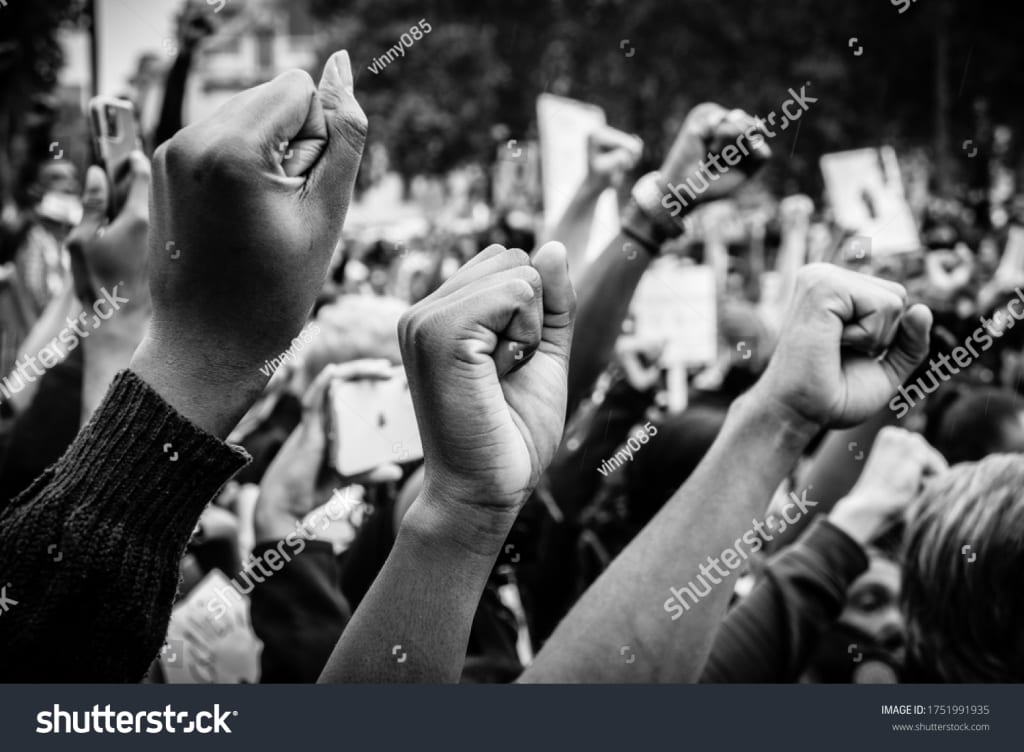
Democracy: The Pillar of Modern GovernanceDemocracy, derived from the Greek words "demos" (people) and "kratos" (rule), stands as one of humanity's most significant political achievements. It's a system of governance where the power to make decisions rests in the hands of the citizens. In this essay, we will explore the essence of democracy, its historical evolution, its core principles, its challenges, and its enduring significance in the contemporary world.Democracy's roots can be traced back to ancient Greece, particularly in Athens, where it emerged in the 5th century BC. In this early form of democracy, eligible citizens gathered in the "Ekklesia" to discuss and vote on important matters. However, it was a limited democracy, excluding women, slaves, and non-citizens. The idea of democracy lay dormant for centuries until it was revitalized during the Enlightenment period in Europe. Thinkers like John Locke and Jean-Jacques Rousseau advocated for the sovereignty of the people and the social contract, which formed the philosophical basis for modern democracies.The fundamental principles of democracy encompass the protection of individual rights, rule of law, free and fair elections, separation of powers, and a vibrant civil society. These principles ensure that government serves the people, rather than the other way around. Individual rights, such as freedom of speech, religion, and assembly, are at the core of democratic values, safeguarding citizens from government overreach. The rule of law ensures that everyone, regardless of their status, is subject to the same legal framework. Free and fair elections allow citizens to choose their leaders, creating a government that is accountable to the electorate. The separation of powers prevents any one branch of government from becoming too powerful, promoting checks and balances. Lastly, a vibrant civil society, comprising non-governmental organizations and a free press, helps keep the government in check and promotes transparency.Despite its undeniable strengths, democracy faces numerous challenges in the contemporary world. One pressing issue is the erosion of democratic norms and institutions in some established democracies. Populism and authoritarianism have gained ground in recent years, threatening the very foundations of democracy. Polarization and misinformation, exacerbated by the digital age, have weakened the public discourse and eroded trust in democratic institutions. Additionally, voter suppression, gerrymandering, and the influence of money in politics have raised concerns about the fairness of elections.Another challenge is the question of whether democracy is universally applicable. Some argue that cultural, historical, and economic factors may make it difficult for certain countries to adopt and sustain democratic systems. Others believe that democracy can take on various forms and adapt to different contexts, emphasizing the importance of local ownership and gradual change.Furthermore, the rise of global challenges, such as climate change, pandemics, and cyber threats, has tested the capacity of democracies to respond effectively. Coordinating responses across multiple democratic nations can be slow and cumbersome, making it necessary to strike a balance between democratic deliberation and decisive action in times of crisis.Nevertheless, democracy remains a powerful and enduring form of governance for several reasons. First, it empowers individuals and promotes human rights, fostering dignity and freedom for all citizens. Second, it provides a mechanism for peaceful change and dispute resolution, reducing the likelihood of violent conflict. Third, democracies tend to be more innovative and prosperous, as they encourage diverse perspectives and competition. Fourth, democracy promotes transparency and accountability, reducing corruption and abuse of power. Finally, it reflects the fundamental principle that governments derive their legitimacy from the consent of the governed.In conclusion, democracy stands as a pillar of modern governance, embodying principles of individual rights, rule of law, free and fair elections, separation of powers, and a vibrant civil society. While it faces significant challenges in the contemporary world, its enduring significance lies in its capacity to empower individuals, promote human rights, facilitate peaceful change, foster innovation, ensure transparency, and uphold the principle of government by consent. As we navigate the complexities of the 21st century, democracy remains a beacon of hope, reminding us that the power to shape our collective destiny ultimately rests in the hands of the people.
About the Creator
Keep reading
More stories from Izuchukwu James Nwebonyi and writers in Journal and other communities.
Politics
Politics: The Art and Science of GovernancePolitics is a dynamic and pervasive force that shapes the course of human societies. It encompasses the complex processes, institutions, and interactions through which power is distributed, decisions are made, and policies are enacted. At its core, politics is about the allocation of resources, the resolution of conflicts, and the pursuit of collective goals. In this essay, we will delve into the multifaceted world of politics, examining its various aspects, roles, challenges, and impacts on our lives.The Essence of Politics:Politics is fundamentally about power. It revolves around the distribution and exercise of authority within a society or a nation. It deals with questions of who gets to make decisions, who benefits from those decisions, and who bears the consequences. Whether in the form of a government's policy choices or the outcome of a community meeting, politics permeates every level of human interaction.Political Systems:Political systems come in a variety of forms, each with its own characteristics and principles. Democracy, one of the most prevalent systems, empowers citizens to participate in decision-making through free and fair elections. Autocracy, on the other hand, concentrates power in the hands of a single individual or a small group, often at the expense of individual freedoms. Hybrid systems, like constitutional monarchies, blend elements of both. The choice of a political system profoundly influences the governance and direction of a nation.Political Actors:Political actors encompass a broad spectrum of individuals and groups. Elected officials, politicians, and public servants hold formal positions of power and responsibility, making decisions and enacting policies on behalf of the public. Interest groups, representing various segments of society, advocate for specific causes and exert influence on political decisions. Ordinary citizens also play a vital role through their participation in elections, activism, and civic engagement, collectively shaping the political landscape.Political Issues:Politics revolves around a diverse range of issues, from economic policies and healthcare reform to immigration and social justice. Debates over taxation, environmental regulations, and education funding are just a few examples of the myriad topics that occupy the political arena. Conflicting ideologies, values, and interests often drive these debates, highlighting the inherent complexity of political decision-making.Challenges in Modern Politics:The world of modern politics is marked by several pressing challenges. Political polarization, the deepening divide between opposing ideological groups, has become a significant impediment to constructive governance. It can hinder compromise, stifle dialogue, and undermine the ability to address urgent issues effectively.Corruption remains a persistent problem in many political systems worldwide. It erodes public trust, distorts policy decisions, and diverts resources away from public welfare. Transparency, accountability, and strong anti-corruption measures are essential for combating this issue.Global challenges, such as climate change, terrorism, and pandemics, necessitate international cooperation and coordination. Balancing national interests with global responsibilities is a complex task for policymakers, and failure to do so can have far-reaching consequences.The Role of Technology:Technology has brought transformative changes to the realm of politics. Social media platforms have become influential tools for political communication and mobilization. They enable candidates, movements, and interest groups to reach vast audiences, share their messages, and engage supporters. However, technology has also introduced new challenges, such as the spread of misinformation and cyber threats to electoral systems.Conclusion:In conclusion, politics is the driving force behind the governance of human societies. It involves the allocation of resources, the protection of rights, and the pursuit of collective goals. While it can be fraught with challenges, including polarization and corruption, politics remains an essential mechanism for resolving conflicts, shaping policies, and steering societies toward progress.In an increasingly interconnected world, where global challenges demand coordinated responses, politics takes on even greater significance. As citizens and participants in the political process, it is our collective responsibility to engage, advocate, and work towards a more just and equitable future through the channels of politics. The decisions made in the political arena today will have a lasting impact on the world we pass on to future generations, underscoring the enduring importance of understanding and actively participating in the world of politics.
By Izuchukwu James Nwebonyi2 years ago in Journal
What Healthcare Organizations Must Do to Stay Compliant
Introduction Compliance protects healthcare organizations. Regulations govern daily operations. Patient safety depends on adherence. Noncompliance creates serious risk. Financial penalties can be severe. Reputation damage is lasting. Oversight continues to increase. Expectations evolve constantly. Compliance requires commitment. Leadership must prioritize standards. Systems must support requirements. Staff must understand obligations. Proactive compliance prevents disruption. Preparation reduces exposure. Compliance supports trust. Accountability defines professionalism.
By Abdul Mueedabout 14 hours ago in Journal


Comments
There are no comments for this story
Be the first to respond and start the conversation.