
Decorative Lighting Market Size & Forecast 2025–2033
The global Decorative Lighting Market is projected to reach USD 202.61 billion by 2033, growing from USD 115.44 billion in 2024, at a CAGR of 6.45%. Growth is driven by urbanization, technological advances in LED lighting, smart home adoption, and demand for energy-efficient yet stylish lighting solutions.

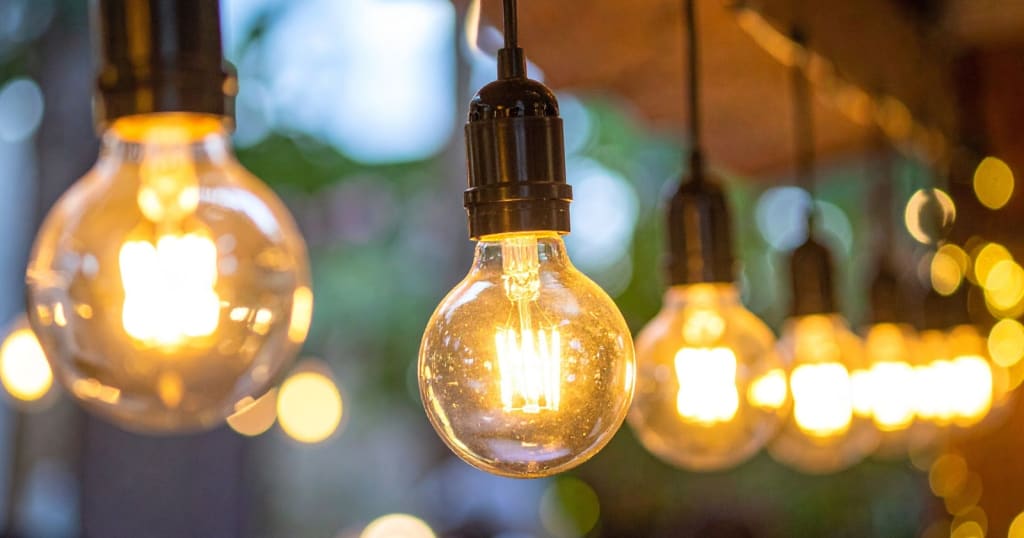
Decorative Lighting Market Overview
Decorative lighting refers to lighting fixtures designed not only to illuminate but also to enhance the aesthetic appeal of spaces. Unlike purely functional lighting, decorative lighting combines style, ambiance, and mood, making it a key element in interior and exterior design. Common products include LED strips, floor lamps, pendants, chandeliers, string lights, and wall sconces.
This market has been expanding due to rising disposable incomes, urbanization, and lifestyle changes, particularly in residential, commercial, and hospitality sectors. Consumers are increasingly seeking energy-efficient, visually appealing lighting to complement interiors, showcase architectural features, and create a sophisticated ambiance. Technological advancements, including smart lighting systems, LED innovations, and customizable lighting designs, have further amplified demand.
The market is also influenced by seasonal and festive events, especially in countries with strong cultural traditions of celebratory lighting. Additionally, environmentally conscious consumers are driving the demand for eco-friendly, energy-efficient solutions in decorative lighting.
1. Urbanization
Rapid urban development and modern residential infrastructure increase demand for stylish interiors and exteriors.
Urban consumers focus on personalization and comfort, leading to investment in lighting that complements interior design.
Expansion of hotels, restaurants, and retail outlets further boosts decorative lighting adoption.
Government initiatives promoting energy-efficient and smart cities encourage the integration of trendy, sustainable lighting solutions.
2. LED Technology Advancements
LED lighting is energy-efficient, low-maintenance, and long-lasting, making it ideal for decorative applications.
Innovations allow for customizable shapes, colors, and lighting effects, enhancing aesthetic appeal.
Smart LED systems provide dimming, color-changing, and remote control features via voice assistants and mobile apps.
Reduced energy consumption and environmental footprint attract eco-conscious customers, enhancing market growth.
3. Festive and Event-Based Demand
Holidays and cultural events (e.g., Diwali, Christmas, weddings) drive temporary but high-volume demand for decorative lighting.
Businesses and consumers invest in lights to enhance celebration ambiance and create visual interest.
Example: Surya Roshni’s 2024 festive range included Profile Strip Light, Rope Light, and Jagmag String Light, designed for low power consumption, flexibility, and easy installation.
Event-driven launches demonstrate the market’s sensitivity to cultural trends and seasonal demand.
Challenges in the Decorative Lighting Market
1. Short Product Lifecycles
Rapidly evolving design trends and technology shorten product lifespans.
Manufacturers must frequently update offerings to meet consumer expectations for modern and fashionable designs.
Continuous turnover increases manufacturing, R&D costs, and inventory risk.
Difficulty in forecasting demand can lead to supply chain inefficiencies and higher operational costs.
2. Market Saturation
Increased competition from domestic and international players results in market saturation.
Differentiating based solely on design, cost, or technology is challenging.
Price wars and low-cost imports reduce profit margins and perceived product value.
Maintaining innovation, branding, and market share requires significant investment and marketing expertise.
Regional Market Analysis
North America
United States: Smart lighting adoption is rising, allowing voice or app-controlled management.
Consumers prefer sustainable and eco-friendly materials, aligning with green building trends.
Wellness-focused lighting, mimicking natural light cycles, is gaining popularity for its health benefits.
Distribution is supported by both offline and online retail channels, driving accessibility.
Europe
Germany: The market blends modern technology with traditional craftsmanship.
Urbanization and smart home adoption promote energy-efficient and visually appealing lighting.
Consumers increasingly demand sustainable, environmentally friendly solutions, driving green innovation.
Design and technology trends continually shape product offerings in the region.
Asia-Pacific
India: Rapid urbanization and rising disposable incomes increase demand for decorative lighting.
Smart lighting solutions with personalization, remote control, and app integration appeal to tech-savvy consumers.
Festivals and cultural events drive seasonal demand.
Online platforms and retail hubs, e.g., Philips Smart Light Hub in Bhubaneswar (Feb 2025), showcase extensive SKU offerings, reflecting adoption of connected lighting solutions.
Middle East
Saudi Arabia: Market expansion is driven by infrastructure growth, smart cities, and urbanization.
Adoption of LED and smart lighting aligns with Vision 2030 initiatives.
Decorative lighting is increasingly used in retail, hospitality, and public spaces, including cultural festivals like the Noor Riyadh Light Festival.
These trends position Saudi Arabia as a key market in the Middle East and Africa region.
Recent Developments
Sept 2024: Kingswood Capital Management (Los Angeles) acquired Kichler Lighting from Masco Corp. for USD 125 million.
Dec 2024: Crompton Greaves Consumer Electricals unveiled Wallsmile Wall Light Series, combining elegance and functionality for hallways, gardens, and indoor spaces.
June 2024: FIG Living launched award-winning pendant designs in India, featuring DIY lamps, cloud lamps, and raffia patterns, blending Scandinavian, Japanese, and contemporary aesthetics.
These developments reflect strategic acquisitions, innovative product launches, and regional expansion trends.
👉 For deeper analysis, detailed segment data, and company insights: 🔗 Request Customization Report
By Light Source
LED – Energy-efficient, long-lasting, and increasingly integrated into smart homes.
Fluorescent – Cost-effective for larger commercial applications.
Incandescent – Traditional lighting, gradually declining due to low efficiency.
Others – Halogen, compact fluorescent, and specialty decorative lights.
By Product
Sconce – Wall-mounted accent lighting.
Flush Mount – Ceiling fixtures for aesthetic and functional use.
Chandeliers – Luxury statement pieces for high-end interiors.
Pendants – Stylish hanging lights for kitchens, lounges, and commercial spaces.
Others – Floor lamps, string lights, and custom designs.
By Application
Commercial – Hotels, restaurants, offices, and retail outlets.
Household – Residential interiors, gardens, and outdoor spaces.
By Distribution Channel
Offline – Supermarkets, specialty stores, and local showrooms.
Online – E-commerce platforms, D2C brands, and subscription-based services.
Regional Outlook
North America: US, Canada
Europe: UK, Germany, France, Italy, Spain, Belgium, Netherlands, Turkey
Asia-Pacific: India, China, Japan, Australia, South Korea, Thailand, Malaysia, Indonesia, New Zealand
Latin America: Brazil, Mexico, Argentina
Middle East & Africa: Saudi Arabia, UAE, South Africa
Key Players
Acuity Brands Lighting Inc. – North American leader in decorative and functional lighting solutions.
Generation Lighting – Focus on high-end, stylish lighting for residential and commercial segments.
Maxim Lighting – Designs decorative fixtures blending functionality and aesthetics.
GE Lighting – Offers smart LED and energy-efficient solutions worldwide.
Juno Lighting LLC – Specializes in architectural and commercial decorative lighting.
Lowe's – Retail distribution of a broad decorative lighting range.
Osram – LED and advanced smart lighting technologies.
Amerlux – Premium decorative and commercial lighting solutions.
Littmann – Focus on innovative design and energy efficiency.
AZZ Inc. – Industrial and decorative lighting solutions with global presence.
Key Strategies:
Expansion of smart and energy-efficient product lines.
Adoption of e-commerce and direct-to-consumer channels.
Launch of festival and seasonal collections to capture event-driven demand.
Focus on eco-friendly, sustainable materials and smart home integration.
Market Outlook
The global Decorative Lighting Market is projected to grow from USD 115.44 billion in 2024 to USD 202.61 billion by 2033, at a CAGR of 6.45%.
Growth Drivers:
Urbanization and rising disposable incomes.
Adoption of LED technology and smart lighting.
Festival, event, and cultural-driven lighting demand.
Expansion of commercial, residential, and hospitality sectors.
Increasing focus on sustainability, personalization, and digital connectivity.
Challenges:
Short product lifecycles due to fast-changing design trends.
Market saturation and intense competition.
Price pressures from low-cost alternatives.
High innovation and marketing costs for brand differentiation.
Key Questions for Stakeholders
Which regions demonstrate highest decorative lighting growth potential?
How will LED and smart lighting innovations influence future product designs?
How can manufacturers address short product lifecycles without escalating costs?
What role will online retail and D2C channels play in market expansion?
How can companies differentiate in saturated markets?
How will cultural festivals and event-driven demand influence seasonal sales?
What are the opportunities for eco-friendly and sustainable materials in decorative lighting?
How will urbanization in emerging economies impact market size and adoption?
Which marketing strategies effectively target tech-savvy and wellness-focused consumers?
How will mergers, acquisitions, and strategic partnerships shape market consolidation?
Conclusion
The Decorative Lighting Market is poised for strong growth, driven by urbanization, technological advancements in LED and smart lighting, and the demand for aesthetic, energy-efficient solutions.
Regional Highlights:
North America: Innovation, smart homes, and eco-conscious adoption drive growth.
Europe: Blend of tradition, design, and sustainability fuels demand.
Asia-Pacific: Festivals, cultural events, and urbanization accelerate adoption.
Middle East: Smart city initiatives, luxury projects, and festival-driven demand promote market expansion.
Market players focusing on smart, energy-efficient, sustainable, and culturally adaptive products are best positioned to capture long-term growth in the evolving global decorative lighting landscape.
Note: If you need details, data, or insights not covered in this report, we are glad to assist. Through our customization service, we will collect and deliver the information you require, tailored to your specific needs. Share your requirements with us, and we will update the report to align with your expectations.
About the Creator
Ben Tom
Ben Tom is a seasoned content writer with 12+ years of experience creating SEO-friendly blogs, web copy, and marketing content that boosts visibility, engages audiences, and drives results.
The goals I did not achieve
Every writing goal I made for the year is a wash. It has been this way for a while, but I think it's important to be open about my failures and the reality of how life can get in the way. This is especially true considering the several times I have posted on Vocal about my writing goals, how I was changing my approach, and where I was hoping to be for the upcoming year. I will probably do that again in a couple months, but for now, it is time to acknowledge where I am today.
By Kay Husnick18 days ago in Journal
Aligning Goals with Real-World Client Progress
Full Introduction As we move into 2026, the clinical landscape has shifted away from rigid, manualized treatment plans toward a more fluid, outcome-informed approach. Aligning therapeutic goals with real-world progress is no longer just about checking off symptoms on a checklist; it is about ensuring that the changes happening inside the therapy room are translating into functional improvements in the client's daily life. Research in 2026 emphasizes that when goals are deeply rooted in a client's personal values and real-world context, treatment engagement increases and the risk of dropout significantly decreases. This alignment requires a continuous feedback loop where goals are regularly audited and refined based on the client's actual lived experience between sessions.
By Abdul Mueed6 days ago in Journal
Center Stage with Gina C.
*** I'm keen to republish the interviews I did for my series with Vocal creators. It's been a few years and I thought it might be nice to revisit these wonderful conversations. I'll be releasing them one at a time for a few weeks/months.
By Heather Hubler7 days ago in Interview


Comments (1)
Good insights! This forecast for the decorative lighting market through 2033 is thorough and well-researched. The trends you highlight, particularly around smart lighting and aesthetic innovation, without doubt are exactly what many businesses need to keep an eye on. Thanks for sharing this detailed analysis!