
Day of Remembrance of the Victims of the Rwanda Genocide
The Rwanda Genocide

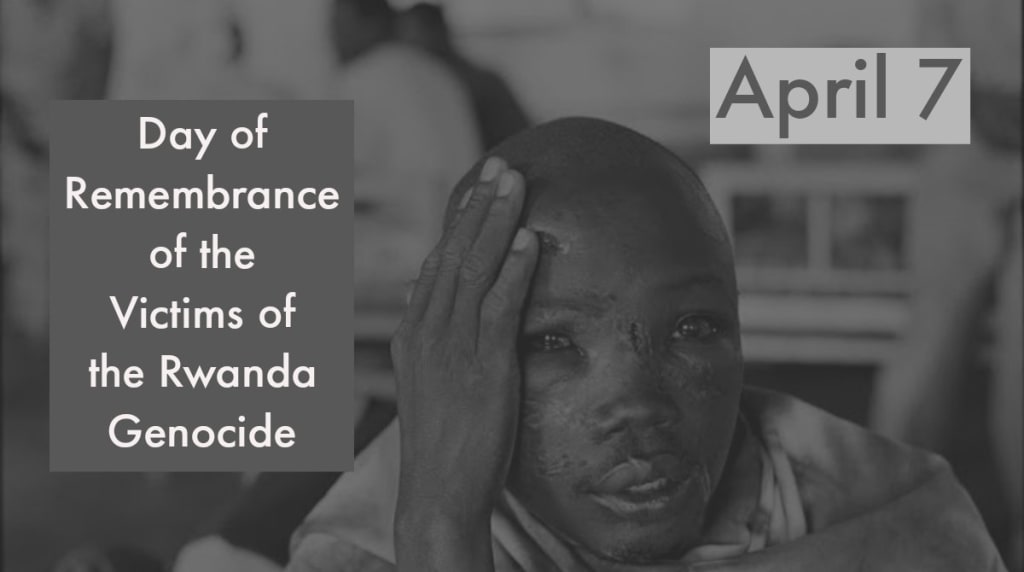
On April 7, we commemorate the Day of Remembrance of the Victims of the Rwanda Genocide. This day is observed to honour the memory of the victims of the horrific genocide that took place in Rwanda in 1994. In just 100 days, over 800,000 Tutsi and moderate Hutus were killed in a gruesome and brutal manner. This article will delve into the history of the Rwanda Genocide, its causes, aftermath, and the significance of the Day of Remembrance.
Introduction
- Explanation of the Rwanda Genocide
- Brief history of Rwanda prior to the genocide
- The political and social climate leading up to the genocide
- The role of ethnicity in Rwandan society
The Rwanda Genocide
- The spark that ignited the genocide
- The escalation of violence
- The role of the Hutu Power movement
- The brutality of the killings
- The involvement of the international community
The Aftermath of the Genocide
- The number of lives lost
- The displacement of survivors
- The impact on Rwandan society
- The establishment of the International Criminal Tribunal for Rwanda
- The prosecution of those responsible for the genocide
The Significance of the Day of Remembrance
- The purpose of the Day of Remembrance
- How the day is observed in Rwanda
- The importance of remembering the victims
- The impact of the genocide on the world
Reconciliation and Reconstruction
- The role of the Rwandan government in reconciliation efforts
- The establishment of the Gacaca courts
- The steps taken towards national unity
- The progress made in reconstruction and development
Lessons Learned from the Rwanda Genocide
- The importance of early intervention in conflict prevention
- The role of the international community in preventing atrocities
- The impact of hate speech and propaganda
- The significance of justice and accountability
- The need for continued efforts towards reconciliation and reconstruction
Conclusion
- The importance of remembering the victims of the Rwanda Genocide
- The progress made in reconciliation and reconstruction
- The need for continued efforts towards preventing genocide and promoting peace
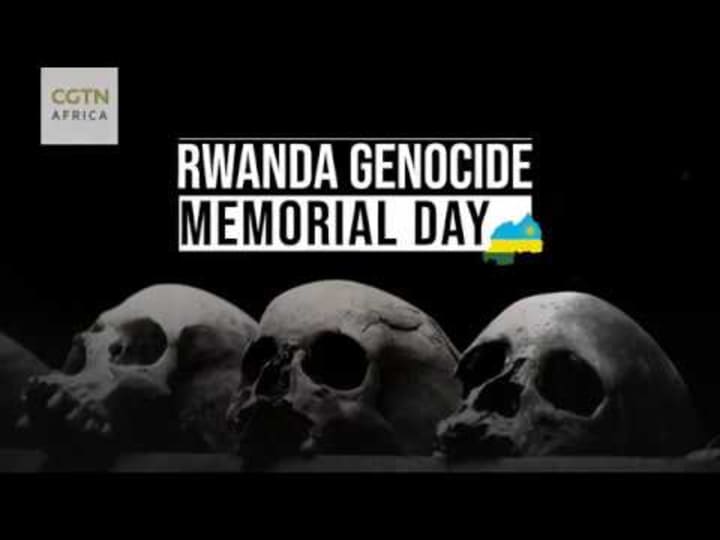
The Rwanda Genocide was a tragic event in the history of Rwanda and the world. It was a brutal, organized campaign of violence that took the lives of over 800,000 Tutsi and moderate Hutus in just 100 days. The genocide was sparked by the assassination of Rwandan President Juvenal Habyarimana, a Hutu, in April 1994. His death set off a chain of events that led to the mass killings of Tutsi and moderate Hutus.
Rwanda was a country deeply divided by ethnicity, with the Tutsi minority holding much of the economic and political power. The Hutu majority, who had been oppressed by the Tutsi for centuries, were resentful and angry. The political and social climate leading up to the genocide was characterized by tension and conflict.
The Hutu Power movement, a group of extremist Hutus, played a significant role in the genocide. They used propaganda and hate speech to dehumanize the Tutsi and encourage violence against them. They also created lists of Tutsi and moderate Hutus to be targeted for death.
The genocide was marked by extreme brutality, with many victims being hacked to death with machetes, burned alive, or shot. The killings were often carried out by civilians, including neighbors, friends, and even family members of the victims. The international community was slow to respond to the crisis, with the United Nations and other world powers failing to intervene and stop the violence.
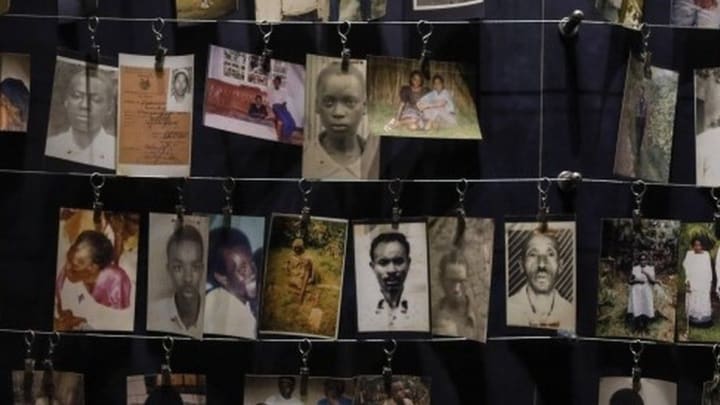
In the aftermath of the genocide, Rwanda was left devastated. The number of lives lost was staggering, with over 800,000 people killed in just three months. Many survivors were left homeless and displaced, with their homes and villages destroyed.
The establishment of the International Criminal Tribunal for Rwanda was a crucial step towards justice and accountability. Many of those responsible for the genocide were arrested and tried for their crimes. The tribunal also helped to establish a historical record of the events that took place.
The Day of Remembrance of the Victims of the Rwanda Genocide is observed on April 7th each year. It is a day to remember the victims of the genocide and to honor their memory. In Rwanda, the day is observed as a public holiday, with ceremonies and events held throughout the country.
The significance of the Day of Remembrance is that it serves as a reminder of the horrors of the genocide and the importance of preventing such atrocities from happening again. It is also a day to reflect on the progress made in reconciliation and reconstruction efforts in Rwanda.
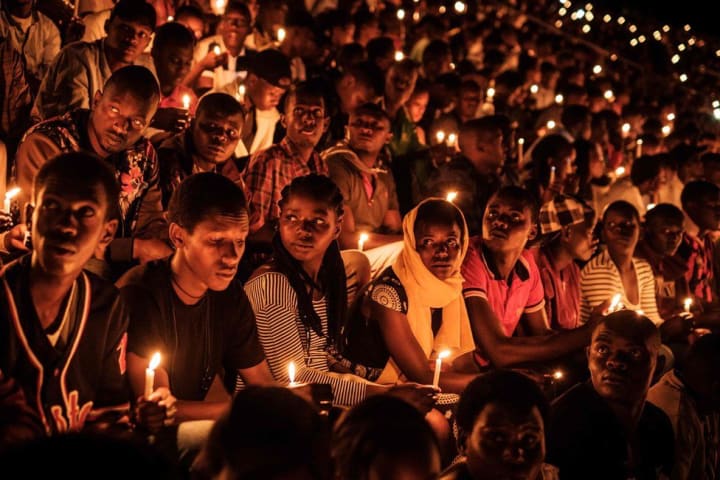
The Rwandan government has made significant efforts towards reconciliation and reconstruction in the aftermath of the genocide. The establishment of the Gacaca courts, a traditional justice system, was a key part of these efforts. The courts were established to provide justice for the victims of the genocide and to promote healing and reconciliation within Rwandan society.
Lessons learned from the Rwanda Genocide include the importance of early intervention in conflict prevention, the need for the international community to respond quickly to atrocities, the impact of hate speech and propaganda, and the significance of justice and accountability.
In conclusion, the Day of Remembrance of the Victims of the Rwanda Genocide serves as a reminder of the horrors of the genocide and the importance of preventing such atrocities from happening again. It is a day to remember the victims, honour their memory, and reflect on the progress made in reconciliation and reconstruction efforts in Rwanda. By learning from the lessons of the Rwanda Genocide, we can work towards a more peaceful and just world.
About the Creator
Navanithe
I am an enthusiastic, self-motivated, reliable, responsible, and hard-working person. I am a mature team worker and am adaptable to all challenging situations. I am able to work well both in a team environment and on my own initiative.
Author’s Advice
If you would’ve asked me 20 years ago did I know I’d become a writer and an author, I would’ve said “nope, ain’t happening”. As fate would have it I did become an author and I can honestly say I’m loving it so far. It really does feel good to be a writer. I’ve learned a lot on this journey and I feel like with even me being as new to this world as I am, there’s some wisdom I need to share with every other aspiring author.
By Joe Patterson5 days ago in Journal
Mastering Kindle eBook Covers for Perfect Display
The cover of your book is the first thing people considering buying it look at, and on Kindle, it's especially important. People often think that a cover is well designed simply because it is nice to look at; however, that is insufficient. A cover is the book's way of saying hello to potential readers, so it must catch someone's attention, clearly signal the book's genre, and persuade readers to buy books in that genre.
By Darren Meeksabout 5 hours ago in Journal




Comments
There are no comments for this story
Be the first to respond and start the conversation.