
Cowboy: History, Culture, and Legacy
The Cowboy: History, Culture & Modern Legacy

Discover the history, daily life, and cultural legacy of the cowboy—from ranching traditions to modern rodeos and fashion.
The image of the cowboy has become one of the most recognizable symbols in the world. From classic Western movies to rodeo arenas and even modern country music, the cowboy represents freedom, resilience, and adventure. Yet the story of the cowboy is not just about myths or Hollywood—it is about real people whose work shaped agriculture, cattle ranching, and American identity.
This article dives into the origins, daily life, myths, and cultural significance of the cowboy, while also exploring how the cowboy spirit continues to influence society today.
Origins of the Cowboy Tradition
The roots of the cowboy trace back to Spain and Mexico. Spanish settlers brought cattle and horse traditions to the Americas, along with the vaquero—the original cowboy. Vaqueros were skilled horsemen responsible for herding cattle, and they laid the groundwork for many of the techniques that American cowboys still use.
In the 19th century, after the Civil War, the cowboy profession flourished in the United States. Ranchers needed workers to drive cattle from Texas to railroads in Kansas, where beef could be shipped east. These cattle drives were grueling journeys, but they made the cowboy an essential part of the American economy.
Interestingly, the cowboy was not always the rugged lone white man depicted in movies. In reality, African Americans, Native Americans, and Mexican Americans made up a significant portion of the cowboy workforce. Their contributions are often overlooked, but they played a vital role in shaping the traditions we now associate with the cowboy way of life.
Daily Life of a Cowboy
The romantic image of the cowboy often hides the harsh realities of the job. A day in the life of a cowboy was filled with physical labor, long hours, and constant exposure to unpredictable weather.
- Cattle Herding: The primary responsibility of the cowboy was moving cattle across long distances, sometimes traveling for months.
- Ranch Work: Beyond herding, the cowboy repaired fences, branded calves, and trained horses.
- Survival Skills: A cowboy had to know how to navigate terrain, cook basic meals on open fire, and handle emergencies far from towns.
Despite the hardships, many cowboys found freedom and camaraderie in this lifestyle. They developed unique songs and traditions that gave rise to the genre of cowboy music, which later evolved into country and Western.
The Myth vs. Reality of the Cowboy
Hollywood played a major role in shaping the global image of the cowboy. Films and novels portrayed the cowboy as a heroic figure—fearless, stoic, and often a lone rider seeking justice. Stars like John Wayne cemented the cowboy as a cultural icon.
However, the reality of the cowboy was less glamorous. Instead of shootouts and saloons, most cowboys were ranch workers dealing with monotonous, back-breaking labor. Conflicts did occur, but gunfights were rare. The true skill of a cowboy was horsemanship, cattle management, and survival—not quick-draw duels.
Still, the myth of the cowboy has value. It created a lasting symbol of independence and resilience that resonates with people far beyond ranching.
Cowboy Gear and Style
The image of the cowboy would not be complete without his iconic clothing and tools. Every item served a functional purpose:
- Hat: The wide-brimmed hat protected the cowboy from sun and rain.
- Boots: Pointed-toe boots with high heels helped the cowboy stay secure in stirrups.
- Bandana: Worn around the neck, the bandana shielded the cowboy from dust during cattle drives.
- Lariat (Rope): Essential for roping cattle.
- Saddle: The heart of a cowboy’s gear, designed for long rides and cattle work.
This practical gear later evolved into fashion. Today, cowboy boots and hats are not only ranch tools but also style statements worn around the world.
Cowboy Music and Storytelling
Another major cultural contribution of the cowboy is music. Cowboys created songs to pass time on long drives, often telling stories of loneliness, open skies, and the bond between rider and horse. These ballads became the foundation of country and Western music.
Modern artists still draw inspiration from cowboy themes. From Willie Nelson to Garth Brooks, the imagery of the cowboy continues to shape American music. Even Hollywood soundtracks rely on the cowboy myth to evoke feelings of grit and adventure.
Cowboys in Rodeo Sports
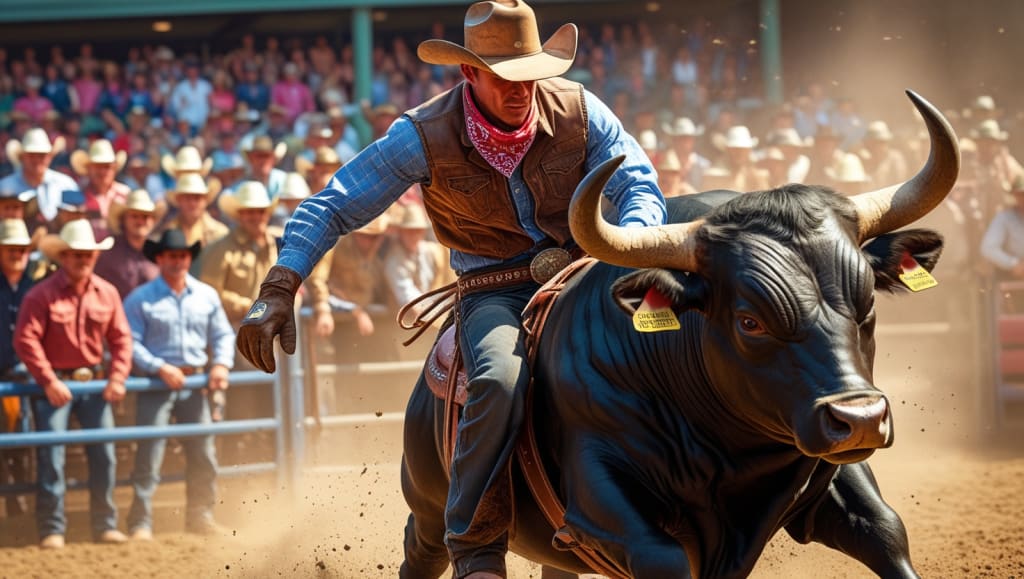
Today, the cowboy legacy lives on through rodeos. Rodeo events test the skills that working cowboys once needed—bull riding, bronc riding, steer roping, and barrel racing. The rodeo celebrates the athleticism and bravery of the cowboy, transforming practical ranch skills into competitive sports.
Rodeo culture also ensures that the younger generation stays connected to the traditions of the cowboy. Families pass down techniques, and rodeo festivals bring communities together, showcasing not just sport but also cowboy music, dance, and fashion.
Cowboy Legacy in Modern Culture
Although the cattle drives of the Old West ended in the late 1800s, the influence of the cowboy persists. Modern ranchers still use cowboy techniques to manage livestock. Beyond ranching, the cowboy has become a universal symbol of freedom.
The “cowboy spirit” shows up in politics, business, and art as a metaphor for independence and risk-taking. Advertisers use the cowboy image to sell everything from trucks to jeans, because it resonates deeply with audiences.
Even in global contexts, the cowboy is admired. In countries far from the American West, the cowboy is recognized as a symbol of rugged individuality and adventure.
Diversity Among Cowboys
One of the most important truths about the cowboy tradition is its diversity. Historians estimate that one in four cowboys was African American. Mexican vaqueros and Native Americans also contributed to cowboy culture. Each group brought unique skills and traditions, enriching the overall identity of the cowboy.
This diversity challenges the one-dimensional portrayal often seen in movies. The real cowboy community was multicultural, with shared hardships and responsibilities bringing people together.
Future of the Cowboy
The modern cowboy faces challenges from technology and urbanization. Ranching practices now use machines and digital tools, reducing the need for traditional cowboys. Still, the role has not disappeared. Many ranches, especially in the American West, continue to employ cowboys for cattle management and horsemanship.
Culturally, the cowboy shows no signs of fading. As long as people admire resilience, adventure, and independence, the cowboy will remain an icon. Whether in films, fashion, or music, the image of the cowboy is timeless.
About the Creator
Vincent Otiri
I'm a passionate writer who crafts engaging and insightful content across various topics. Discover more of my articles and insights on Vocal.Media.
Keep reading
More stories from Vincent Otiri and writers in Journal and other communities.
How to Unwind After a Day of Discovery in Siem Reap with Exclusive Spa Treatment
After a long day of exploring ancient ruins and jungle trails in Siem Reap, your body will likely feel the weight of every step. The heat and humidity of Cambodia can be draining, making a post-discovery wind-down essential. Finding the right way to relax ensures you wake up ready for the next day of adventure.
By Jeewanthi Armstrong2 days ago in Journal
The $152B Ice Cream Market Is Changing Fast
The freezer door opens with a familiar chill. A spoon scrapes gently across the top of a fresh tub, carving out a creamy swirl of chocolate, vanilla, or mango. For a brief moment, everything slows down, stress fades, and the sweetness feels like a small celebration.
By Harvey Specter2 days ago in Journal
Lycan Lore
As the students of my 10am mythology class take their seats, I decide to steer the day's curriculum away from Greek and dive into a Western European discourse on the misaligned beliefs of the Werewolf. A tale of truth or fiction. No one really knows.
By Lamar Wigginsabout 2 hours ago in Fiction




Comments
There are no comments for this story
Be the first to respond and start the conversation.