
Conservation hunting in Namibia
Conservation hunting in Namibia

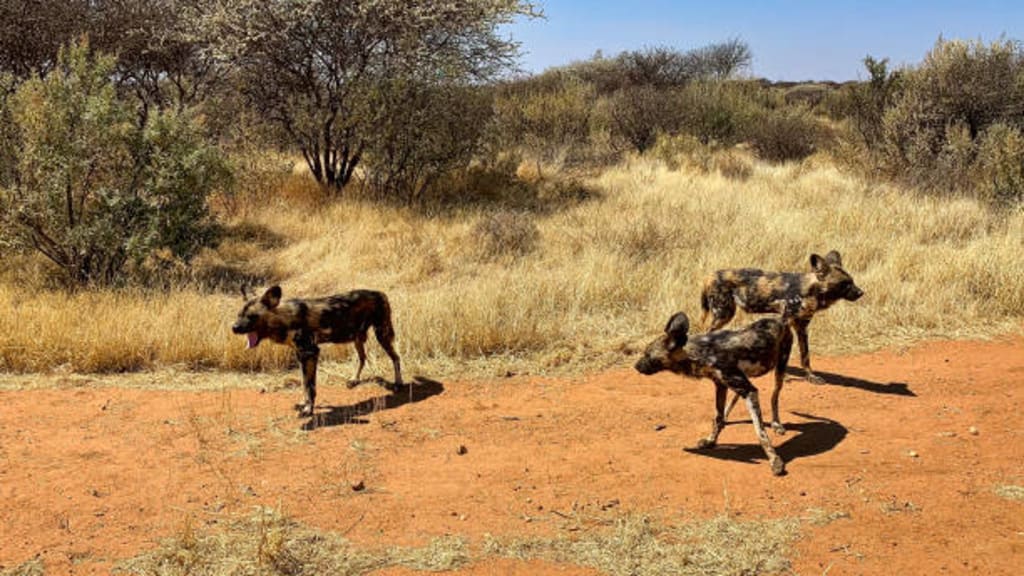
Namibia has gained international recognition for its innovative approach to wildlife conservation. Unlike conventional preservation strategies, Namibia embraces conservation hunting as a sustainable method to protect its rich biodiversity while supporting local communities. This approach has sparked discussions worldwide, with proponents highlighting its economic and ecological benefits. In this article, we explore the concept of conservation hunting in Namibia, its impact on wildlife populations, and its role in community empowerment.
1. Understanding Conservation Hunting
Conservation hunting, also known as sustainable hunting, is a regulated practice that allows for the selective harvesting of specific animal species under strict guidelines. Unlike uncontrolled poaching, conservation hunting is governed by scientific principles and government regulations to ensure the long-term viability of wildlife populations. The primary goal is to maintain a healthy ecological balance while generating funds for conservation efforts.
2. Namibia’s Progressive Wildlife Conservation Model
Namibia was the first African country to integrate environmental protection into its national constitution. This progressive step has led to the development of Community-Based Natural Resource Management (CBNRM) programs, where local communities take an active role in wildlife conservation. Through the establishment of conservancies, indigenous groups gain rights to manage and benefit from wildlife resources, including conservation hunting.
3. How Conservation Hunting Supports Wildlife Populations
One of the biggest misconceptions about conservation hunting is that it endangers wildlife populations. However, Namibia’s structured hunting programs follow a quota system based on scientific research. This ensures that only surplus or older animals are harvested, preventing overpopulation and promoting genetic diversity. Key benefits include:
Maintaining Ecological Balance: Certain species, when left unchecked, can overpopulate and disrupt ecosystems. Hunting helps regulate these populations.
Preventing Habitat Degradation: Overgrazing by excessive herbivore populations can lead to habitat destruction. Conservation hunting helps mitigate these effects.
Funding Anti-Poaching Initiatives: Revenue generated from hunting permits is used for anti-poaching efforts and habitat conservation.
4. The Economic Impact of Conservation Hunting
Sustainable hunting is a crucial component of Namibia’s economy, particularly in rural areas where employment opportunities are scarce. Some of the economic benefits include:
Generating Revenue for Conservation: A significant portion of hunting fees goes towards habitat preservation, wildlife monitoring, and law enforcement against illegal poaching.
Creating Jobs: The hunting industry provides employment opportunities for trackers, guides, conservation officers, and hospitality staff.
Supporting Local Communities: Revenue from conservation hunting helps fund education, healthcare, and infrastructure projects in remote communities.
5. Ethical Considerations in Conservation Hunting
While conservation hunting has proven benefits, ethical concerns must be addressed to maintain its integrity. Key ethical practices in Namibia’s conservation hunting model include:
Strict Regulations: Hunters must obtain permits, and all hunts are supervised by conservation authorities to ensure compliance.
Selective Hunting: Only older, non-breeding animals are targeted to prevent disruption in population dynamics.
Use of Hunting Fees for Conservation: A transparent allocation of funds ensures that hunting revenue supports conservation and community development.
6. Namibia’s Success in Anti-Poaching Efforts
Namibia’s conservation hunting model plays a pivotal role in combating illegal poaching. By providing local communities with financial incentives to protect wildlife, there is a shift in attitudes toward conservation. Community-led patrols and collaboration with government authorities have led to a decline in poaching activities. Additionally, sustainable hunting programs contribute to funding advanced anti-poaching strategies, such as drone surveillance and rapid-response teams.
7. Challenges and Criticisms of Conservation Hunting
Despite its successes, conservation hunting in Namibia is not without challenges. Some of the key concerns include:
International Criticism: Some conservationists and animal rights groups oppose hunting, regardless of its sustainability.
Potential for Mismanagement: If not properly regulated, unethical hunting practices could emerge.
Climate Change Impacts: Changing environmental conditions affect wildlife patterns, making quota setting more complex.
To address these concerns, Namibia continues to refine its hunting policies, ensuring they align with the latest scientific research and conservation ethics.
8. The Future of Conservation Hunting in Namibia
As global attitudes towards wildlife conservation evolve, Namibia’s model serves as a potential blueprint for other nations. The country is committed to adaptive management strategies, incorporating advancements in conservation science and technology. The key to the future success of conservation hunting lies in continued collaboration between government authorities, conservationists, and local communities.
Conclusion
Conservation hunting in Namibia presents a balanced approach to wildlife management, ensuring the protection of biodiversity while providing economic and social benefits. By integrating scientific research, strict regulations, and community involvement, Namibia has set a precedent for sustainable wildlife conservation. While ethical debates continue, the nation’s track record demonstrates that conservation hunting, when properly managed, can play a vital role in protecting Africa’s wildlife for future generations.
About the Creator
Aru Game Lodges
Discover the heart of Africa with Arugame Lodges, where luxury meets the untamed beauty of Namibia. Our exclusive Namibia safari lodges offer breathtaking landscapes, world-class hospitality, and unforgettable wildlife encounters.
Keep reading
More stories from Aru Game Lodges and writers in Journal and other communities.
Why Plains Game Hunting Is the Best Way to Start Your African Safari Journey
Africa has long been a dream destination for hunters around the world. Its vast landscapes, incredible biodiversity, and deep-rooted hunting traditions make it a true paradise for sportsmen and women. But for those planning their first African hunting safari, the question often arises: Where should I begin?
By Aru Game Lodges 7 months ago in Journal
The goals I did not achieve
Every writing goal I made for the year is a wash. It has been this way for a while, but I think it's important to be open about my failures and the reality of how life can get in the way. This is especially true considering the several times I have posted on Vocal about my writing goals, how I was changing my approach, and where I was hoping to be for the upcoming year. I will probably do that again in a couple months, but for now, it is time to acknowledge where I am today.
By Kay Husnick20 days ago in Journal
How to Power an RV Using a Portable Solar Panel
Traveling in an RV is all about freedom freedom to explore remote places, stay off-grid, and enjoy nature without giving up basic comforts. One of the easiest and most eco‑friendly ways to achieve this independence is by using a portable solar panel for RV power needs. Whether you are a weekend camper or a full‑time RVer, portable solar can keep your lights on, devices charged, and appliances running without relying on noisy generators.
By Lyra Winslowabout 3 hours ago in Journal



Comments
There are no comments for this story
Be the first to respond and start the conversation.