
Conquering Java's Sleeping Giant: Your Guide to Trekking Gunung Slamet
Mount Slamet, Central Java, Indonesia

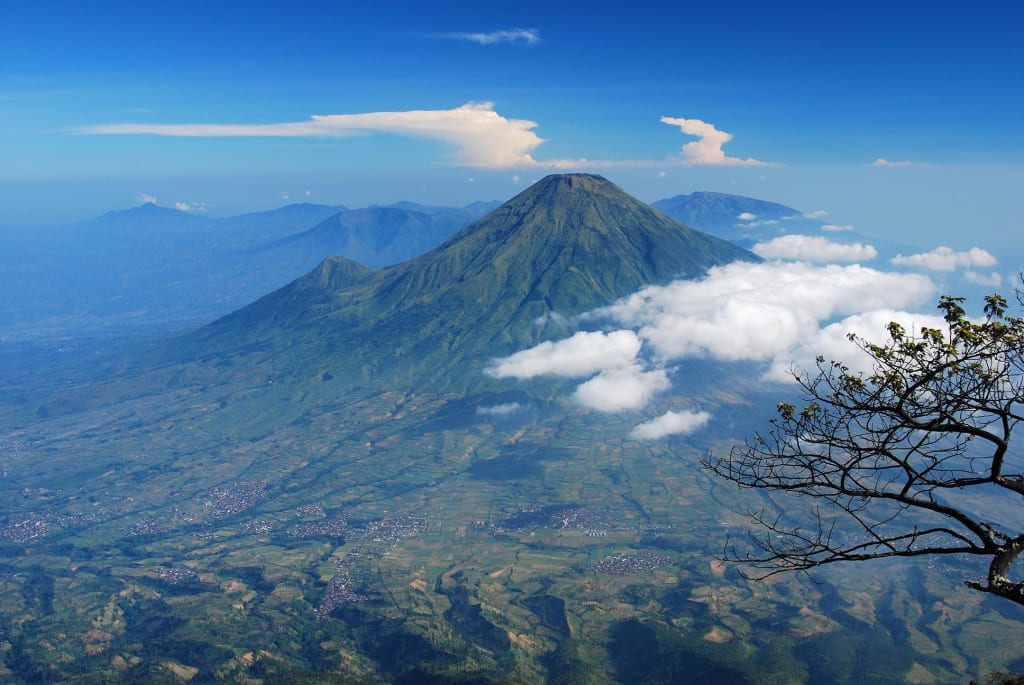
For adventurers and nature enthusiasts seeking a challenging yet rewarding climb, Gunung Slamet stands tall as an irresistible call. Dominating the landscape of Central Java, Indonesia, this majestic stratovolcano is the second-highest peak on the island, offering breathtaking panoramic views and a true test of endurance. While currently dormant, its imposing presence and the raw beauty of its slopes make it a prime destination for trekkers.
Why Gunung Slamet? More Than Just a Climb
Gunung Slamet isn't just about reaching a summit; it's an immersive experience into the heart of Java's natural splendor. As you ascend, you'll traverse diverse ecosystems, from dense rainforests teeming with exotic flora and fauna to more exposed, rocky terrains. The air grows crisper with every meter gained, and the sense of accomplishment as you push your limits is unparalleled.
But perhaps the most compelling reason to tackle Slamet is the sunrise. Imagine standing at nearly 3,428 meters (11,247 feet) above sea level, watching the first golden rays of dawn paint the sky, illuminating a sea of clouds and the surrounding volcanic peaks. It's a moment of profound beauty and tranquility that will stay with you long after you've descended.
Planning Your Ascent: What You Need to Know
Trekking Gunung Slamet requires careful planning and a good level of physical fitness. Things to keep in mind:
Best Time to Visit: The dry season (typically April to October) is the ideal time to trek Gunung Slamet. The trails are less slippery, and you'll have clearer views. Avoid the rainy season (November to March) as trails can become very challenging and dangerous.
Permits and Guides: While not always strictly enforced for individual trekkers, it's highly recommended to register at the local ranger post (e.g., Bambangan) and consider hiring a local guide, especially if you're not familiar with the terrain or are trekking in a smaller group. Guides can also offer valuable insights into the local culture and environment.
Main Trekking Routes:
Bambangan (Purbalingga): This is the most popular and well-maintained route. It's generally considered less steep than some other paths, but still a demanding climb. The ascent typically takes around 8-10 hours, and the descent 6-8 hours, making it a challenging overnight trek for most. There are several designated campsites along this route.
Guci (Tegal): Another popular route, offering different perspectives and challenges.
Other routes exist, but are less common and often require more experience and local knowledge.
Not for Beginners; Requires Stamina. While the trails are generally clear, the sheer elevation gain and the sometimes slippery or rocky terrain make it a challenging climb, especially for beginners. Thorough preparation and getting used to the altitude are essential.
Your Trekking Essentials
Don't underestimate the mountain. Pack smart!
Sturdy Trekking Boots: Essential for ankle support and grip on varied terrain.
Pack layers: The weather can change quickly. Pack moisture-wicking base layers, a fleece, and a waterproof/windproof outer shell.
Headlamp/Flashlight: Crucial for early morning starts and navigating in the dark.
Plenty of Water and Snacks: Dehydration is a risk. Carry a minimum of 3-4 liters of water per person. High-energy snacks are a must.
Sleeping Bag and Tent (for overnight treks): If you plan to camp.
Emergency Kit: For small scrapes and cuts.
Sun Protection: Hat, sunglasses, and sunscreen.
Gloves and Beanie: It gets cold at the summit!
Power Bank: To keep your devices charged.
Your Trekking Adventure: An Overview
Most trekkers begin their ascent in the late evening or early morning to catch the sunrise from the summit. The initial parts of the trail wind through dense forests, gradually giving way to more open, volcanic landscapes. You'll encounter several "pos" (checkpoints/rest areas) along the way, often with rudimentary shelters.
The final push to the summit is the most demanding, often involving steep inclines and loose volcanic scree. However, the feeling of triumph and the unparalleled views from the top make every step worthwhile. Remember to descend carefully, as this can sometimes be more challenging than the ascent due to the tired legs and slippery terrain.
Responsible Trekking Practices
As with any natural wonder, it's crucial to practice responsible tourism.
Leave No Trace: Pack out everything you pack in, including all trash.
Keep to the marked routes: Essential for preserving the fragile ecosystem.
Respect Local Customs: If interacting with local communities or guides.
Be Aware of Volcanic Activity: Although currently dormant, always check the latest information from local authorities before your climb.
Trekking Gunung Slamet is an unforgettable adventure that promises stunning vistas, a physical challenge, and a deep connection with nature. So, lace up your boots, prepare your pack, and get ready to conquer Java's magnificent sleeping giant!
Have you ever trekked Gunung Slamet, or is it on your bucket list? Share your thoughts and tips in the comments below!
About the Creator
Keep reading
More stories from Restu Marlani and writers in Journal and other communities.
Tana Toraja: Journey to the Land of Heavenly Peaks and Ancestral Spirits
Nestled high in the rugged mountains of South Sulawesi, Indonesia, lies a land unlike any other: Tana Toraja. This extraordinary region is a captivating blend of breathtaking natural beauty and a unique, ancient culture centered around elaborate death rituals, stunning traditional architecture, and a profound connection to ancestors. For the adventurous traveler seeking an authentic cultural immersion, Tana Toraja is an absolute must-visit.
By Restu Marlani9 months ago in Journal
Author’s Advice
If you would’ve asked me 20 years ago did I know I’d become a writer and an author, I would’ve said “nope, ain’t happening”. As fate would have it I did become an author and I can honestly say I’m loving it so far. It really does feel good to be a writer. I’ve learned a lot on this journey and I feel like with even me being as new to this world as I am, there’s some wisdom I need to share with every other aspiring author.
By Joe Patterson3 days ago in Journal




Comments
There are no comments for this story
Be the first to respond and start the conversation.