
Concrete Pool Safety: What Every Pool Owner Should Know
Safety Tips for Pool Owners


Owning a concrete pool can be a source of endless enjoyment, but it also comes with great responsibility. A swimming pool is a powerful asset to any property, offering both relaxation and recreation. However, it can also pose significant safety risks if not properly managed. Whether you're a new pool owner or a seasoned pro, ensuring that your concrete pool is safe for all users—especially children and pets—is a top priority. Here’s what every pool owner should know about concrete pool safety to protect both their loved ones and their investment.
1. Fencing and Pool Barriers: A Must-Have Safety Feature
One of the most essential safety features for any pool is a secure barrier. According to the U.S. Consumer Product Safety Commission (CPSC), drowning is a leading cause of injury and death in children under the age of 5, and most of these incidents occur in residential pools.
How to Ensure Proper Fencing:
- Install a Barrier: The pool should be surrounded by a fence or wall that is at least 4 feet tall, with no gaps larger than 4 inches between horizontal slats. Gates should be self-closing and self-latching, and the latch should be placed out of reach of young children.
- Use Pool Covers: An additional layer of protection is a pool cover that can be securely fastened when the pool is not in use. Make sure the cover is strong enough to support the weight of a child or pet.
- Close Gates Immediately: Always ensure gates leading into the pool area are closed and latched after each use.
2. Supervision is Key
No safety measure can replace vigilant supervision. Drowning can happen quickly, often without a sound. It's vital to maintain constant supervision whenever anyone is in or near the pool, especially young children.
How to Implement Effective Supervision:
- Designate a Water Watcher: Have one adult act as the designated "water watcher" at all times when the pool is in use. This person should focus solely on supervising swimmers without distractions like phones, books, or other tasks.
- Never Leave Children Unattended: Even if your child knows how to swim, never leave them unattended. It only takes a few seconds for an accident to occur.
- Learn CPR: Every pool owner should be trained in CPR (Cardiopulmonary Resuscitation). In the event of an emergency, knowing how to perform CPR could be life-saving before help arrives.
3. Proper Pool Entry and Exit
The entry and exit points of a pool can be hazardous if not properly designed or maintained. Slips, trips, and falls are common accidents, particularly around the edge of the pool.
How to Improve Pool Entry/Exit Safety:
- Install Non-Slip Surfaces: Make sure your pool deck and steps are equipped with non-slip materials, such as textured concrete, pavers, or rubberized decking. Wet surfaces can be slippery, so a non-slip surface will provide better traction.
- Secure Pool Steps or Ladders: If your pool features stairs or a ladder for entry, check that they are securely fastened and free of rust or sharp edges. Pool steps should be wide and stable to prevent slipping.
- Provide Handrails: Adding handrails along the entry steps or ladders offers additional support when getting in or out of the pool.
4. Childproofing Your Pool Area
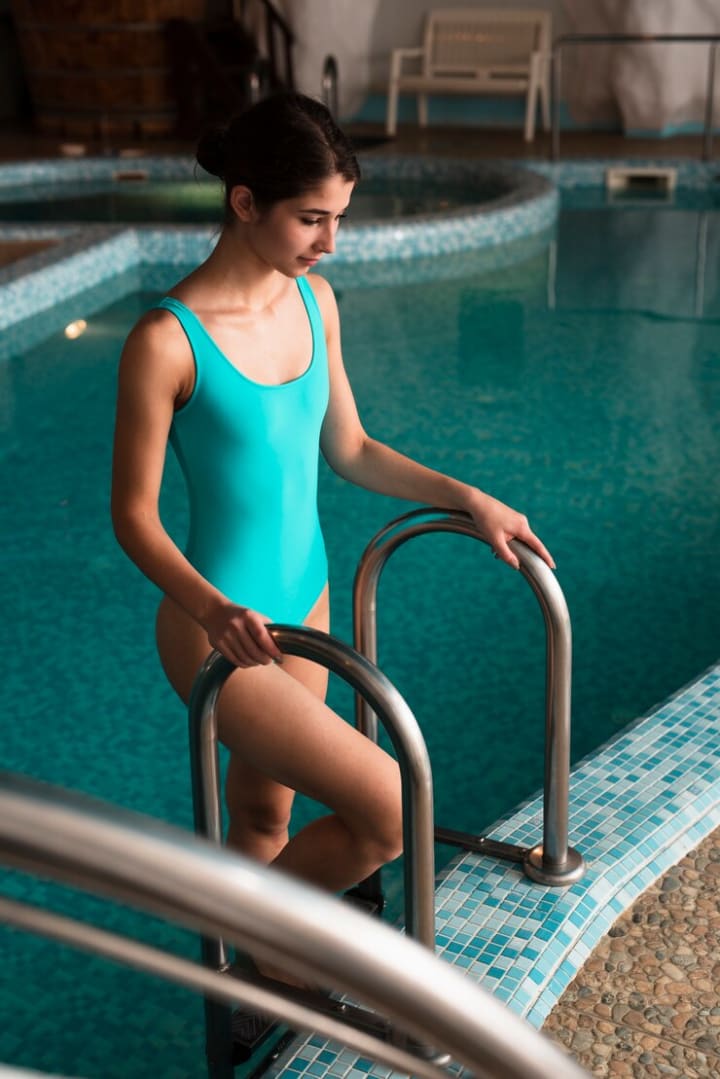
If you have small children or pets, extra precautions are necessary to make the pool area as safe as possible. Preventing access to the pool when it is not in use is one of the most effective ways to reduce the risk of an accident.
How to Childproof Your Pool Area:
- Install a Pool Safety Net or Cover: In addition to a barrier, a pool safety net or cover can help prevent children or pets from falling into the water. These covers can be designed to support weight and are often made from mesh material that allows water to drain off but keeps children and animals out.
- Use Pool Alarms: Pool alarms can be a good supplement to physical barriers. These alarms can be triggered when the water’s surface is disturbed, alerting you to potential dangers.
- Teach Children Water Safety Early: Start teaching children how to swim at an early age, and ensure they understand pool safety rules, such as no running, no pushing, and how to float or call for help in case of an emergency.
5. Maintain Safe Pool Water Chemistry
Pool water chemistry is often overlooked when it comes to safety, but improper water balance can cause irritation to the skin and eyes, as well as damage to pool equipment. Additionally, imbalanced water can lead to algae growth, which can create slippery and unsafe conditions.
How to Keep Pool Water Safe:
- Regular Testing: Test your pool water frequently, ideally once a week, to ensure that the pH, chlorine, alkalinity, and calcium hardness are in the proper ranges. pH should generally be between 7.4 and 7.6, while free chlorine levels should be between 1.0 and 3.0 parts per million (ppm).
- Adjust Chemicals Carefully: Always follow manufacturer instructions when adding pool chemicals. Never mix chemicals, and always add chemicals to water, not the other way around.
- Shocking the Pool: Periodically “shock” the pool to maintain clear, sanitized water. This means adding a large dose of chlorine to eliminate bacteria and contaminants.
6. Electrical Safety: Protect Against Shock Hazards
Concrete pools, with their metal components, can present electrical hazards if not properly grounded or maintained. Electrical shock is a serious risk, especially when electrical equipment such as pool lights, heaters, or pumps is involved.
How to Ensure Electrical Safety:
- Use Ground-Fault Circuit Interrupters (GFCIs): All electrical outlets and equipment near the pool should be equipped with GFCIs, which cut power to the system if an electrical fault is detected, preventing shocks.
- Hire Qualified Professionals: Electrical work around pools should always be performed by a licensed, experienced electrician. They can ensure that pool lights, pumps, and other electrical components are properly grounded and comply with safety codes.
- Regular Inspections: Have all electrical components inspected regularly to ensure they are functioning properly and have no exposed wiring or damaged components.
7. Pool Maintenance: Regular Inspections
Routine maintenance isn’t just about keeping the pool looking nice—it’s also about ensuring safety. A poorly maintained pool can quickly become a hazard, whether from damaged equipment, sharp edges, or algae buildup.
How to Keep Your Pool Safe Through Maintenance:
- Check for Sharp Edges and Cracks: Inspect the pool regularly for any sharp tiles, broken coping, or cracks in the concrete. These could cause injury, especially when swimmers are jumping or diving into the pool.
- Monitor Pool Equipment: Regularly check that all pool equipment (filters, pumps, heaters, etc.) is functioning properly. A malfunctioning pump or filter could lead to dirty water, while a malfunctioning heater could pose a fire risk.
- Clean the Pool Regularly: Ensure the pool is cleaned and vacuumed on a consistent basis. This helps keep the water free of debris and ensures that the surface is safe to walk on.
8. Establish Pool Rules and Educate Users
Finally, the importance of establishing pool rules cannot be overstated. Having clear guidelines for everyone using the pool can prevent many accidents before they happen.
Essential Pool Rules:
- No Running or Diving in Shallow Areas: Running around the pool or diving into shallow water can result in serious injuries. Make sure swimmers understand these basic rules.
- No Horseplay: Rough play, such as pushing others into the pool, can lead to accidents or falls. Keep the pool area calm and respectful of others' safety.
- No Swimming Alone: Encourage everyone to swim with a buddy, especially young children. This provides an extra layer of supervision in case of an emergency.
Conclusion
Pool safety should be a top priority for every concrete pool owner. While owning a pool is fun and relaxing, it requires careful attention to detail and a commitment to safety. By installing proper barriers, maintaining the pool area, supervising swimmers, and ensuring the water is clean and balanced, you can create a safe environment for everyone to enjoy. With proactive safety measures in place, your concrete pool can remain a source of enjoyment and peace of mind for many years to come.
About the Creator
Adam Williams
A content writer, strategist, copy editor and published author with a passion for travel, adventure, and emerging technology.
Keep reading
More stories from Adam Williams and writers in Journal and other communities.
Decor, Modify Your Home for the New Year 2025
As we approach the dawn of a new year, many of us reflect on the past and set goals for the future. One of the most exciting ways to mark the beginning of a fresh chapter is by revamping your living space. A home makeover doesn’t just improve the aesthetics of your surroundings, it can also have a positive impact on your mood, productivity, and overall well-being.
By Adam Williamsabout a year ago in Journal
Author’s Advice
If you would’ve asked me 20 years ago did I know I’d become a writer and an author, I would’ve said “nope, ain’t happening”. As fate would have it I did become an author and I can honestly say I’m loving it so far. It really does feel good to be a writer. I’ve learned a lot on this journey and I feel like with even me being as new to this world as I am, there’s some wisdom I need to share with every other aspiring author.
By Joe Patterson4 days ago in Journal
My First Time Skiing and I Got Lost, Alone, in the French Alps
Looking back, I can trace some of my life’s biggest adventures to a simple action from my sister. She’d introduced me to Tommy (a very long time ago), a colleague of hers, who had overshared his penchant for Italian-looking women, and I ticked that box.
By Chantal Christie Weiss2 days ago in Humans




Comments
There are no comments for this story
Be the first to respond and start the conversation.