
Computer Vision in Agriculture | Transforming the Future of Farming
From crop monitoring to pest detection, computer vision is redefining the way farming operations are conducted.


The agricultural industry has witnessed significant advancements in recent years, largely due to the integration of artificial intelligence (AI) and automation. Among these innovations, computer vision in agriculture has emerged as a transformative technology. This AI-driven approach enables farmers to optimize various agricultural processes, enhance productivity, and minimize losses.
The Role of Computer Vision in Agriculture
Computer vision in agriculture involves the use of AI-powered cameras, sensors, and imaging techniques to analyze and interpret agricultural data. It enables real-time decision-making, improving efficiency and reducing manual labor. Here are some of the key areas where computer vision is making a substantial impact:
1. Crop Monitoring and Health Assessment
One of the most significant applications of computer vision in agriculture is crop monitoring. By using high-resolution images and deep learning algorithms, farmers can assess plant health, detect diseases, and identify nutrient deficiencies. This technology helps in early disease detection, allowing farmers to take preventive measures before significant damage occurs.
2. Precision Weed Detection and Management
Weeds pose a serious challenge to crop yield and quality. Computer vision in agriculture allows for precise weed detection by distinguishing between crops and unwanted plants. By integrating with autonomous spraying systems, farmers can apply herbicides only where needed, reducing chemical use and minimizing environmental impact.
3. Automated Harvesting
Harvesting is one of the most labor-intensive aspects of farming. With the help of computer vision in agriculture, robotic harvesters can analyze fruit ripeness, size, and quality before picking them. This ensures that only the best produce reaches the market while reducing labor costs and post-harvest losses.
4. Pest and Disease Detection
Pest infestations and plant diseases can cause significant economic losses. Computer vision in agriculture utilizes machine learning models to analyze plant images and detect signs of pests or diseases. This proactive approach enables timely intervention, reducing the need for excessive pesticide use and improving crop resilience.
5. Livestock Monitoring
Beyond crops, computer vision in agriculture is also beneficial for livestock management. AI-driven cameras and sensors can monitor animal health, detect unusual behaviors, and ensure proper nutrition. Farmers can receive alerts if an animal shows signs of illness, allowing for immediate medical intervention.
6. Soil and Irrigation Management
Optimal soil health and water management are critical for sustainable farming. Computer vision in agriculture helps assess soil conditions, moisture levels, and irrigation needs. By integrating with smart irrigation systems, farmers can ensure precise water distribution, reducing wastage and improving crop yield.
Benefits of Computer Vision in Agriculture
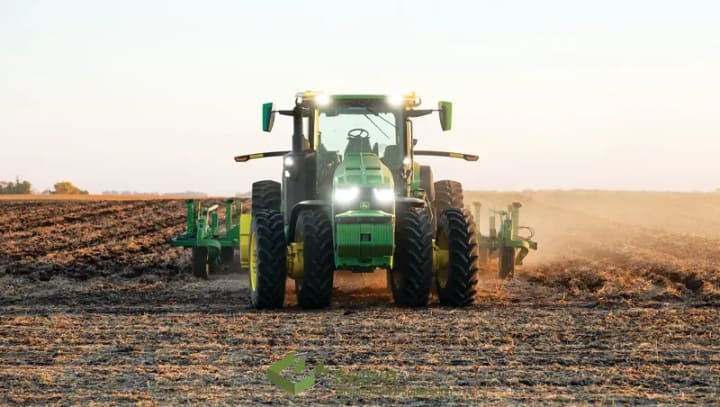
The adoption of computer vision in agriculture offers numerous benefits that are revolutionizing traditional farming practices. Here are some of the major advantages:
Increased Efficiency and Productivity
By automating critical farming processes, computer vision in agriculture significantly enhances productivity. Farmers can make data-driven decisions, reducing time spent on manual inspections and increasing overall efficiency.
Cost Reduction
The use of computer vision in agriculture minimizes reliance on manual labor, reducing labor costs. Additionally, precise pesticide and fertilizer application leads to cost savings while maintaining crop quality.
Environmental Sustainability
Excessive use of chemicals in agriculture has detrimental effects on the environment. Computer vision in agriculture enables precision farming techniques that reduce chemical use, conserve water, and promote sustainable farming practices.
Improved Crop Quality
With advanced monitoring and analysis, computer vision in agriculture ensures that only high-quality produce reaches the market. This improves market value and customer satisfaction while minimizing food waste.
Early Problem Detection
Timely detection of plant diseases, pest infestations, and nutrient deficiencies is crucial for preventing large-scale crop damage. Computer vision in agriculture provides real-time alerts, allowing for quick corrective actions.
Challenges and Future Prospects

While computer vision in agriculture presents numerous benefits, there are some challenges to its widespread adoption. These include:
• High Initial Investment: Implementing AI-powered systems requires a significant financial investment, which may not be feasible for small-scale farmers.
• Data Quality and Management: Computer vision models rely on high-quality data for accurate predictions. Poor image quality or insufficient training data can lead to inaccurate results.
• Technology Integration: Farmers need to integrate computer vision systems with existing agricultural machinery and software, which can be complex.
• Lack of Technical Expertise: The adoption of computer vision in agriculture requires knowledge of AI and data science, which many traditional farmers may lack.
Despite these challenges, advancements in AI and technology are expected to drive greater adoption of computer vision in agriculture. Future innovations will focus on making these solutions more affordable, user-friendly, and accessible to farmers worldwide.
Saiwa is an AI platform specializing in privacy-preserving artificial intelligence and machine learning solutions. It provides cutting-edge services like super-resolution imaging and AI-driven agricultural solutions. Saiwa leverages computer vision in agriculture to enhance crop monitoring, pest detection, and precision farming, ensuring smarter, data-driven decisions for sustainable farming practices.
Conclusion
Computer vision in agriculture is reshaping the agricultural landscape by improving efficiency, reducing costs, and promoting sustainable farming practices. From crop monitoring to automated harvesting, this AI-driven technology is helping farmers maximize yields and minimize losses. Although challenges remain, ongoing advancements will continue to enhance the effectiveness and affordability of computer vision in agriculture. As technology evolves, the future of farming will be increasingly data-driven, precise, and sustainable.
About the Creator
saiwa etudeweb
saiwa is an online platform which provides privacy preserving artificial intelligence (AI) and machine learning (ML) services.
Keep reading
More stories from saiwa etudeweb and writers in Journal and other communities.
AI in Agriculture | Transforming Farming with Advanced Technology
Agriculture has always been the backbone of civilization, providing sustenance and economic stability. With the growing global population and increasing demand for food, the agricultural sector is under pressure to enhance productivity and efficiency. AI in agriculture is emerging as a revolutionary force, introducing intelligent solutions to traditional farming practices.
By saiwa etudeweb10 months ago in Journal


Comments
There are no comments for this story
Be the first to respond and start the conversation.