
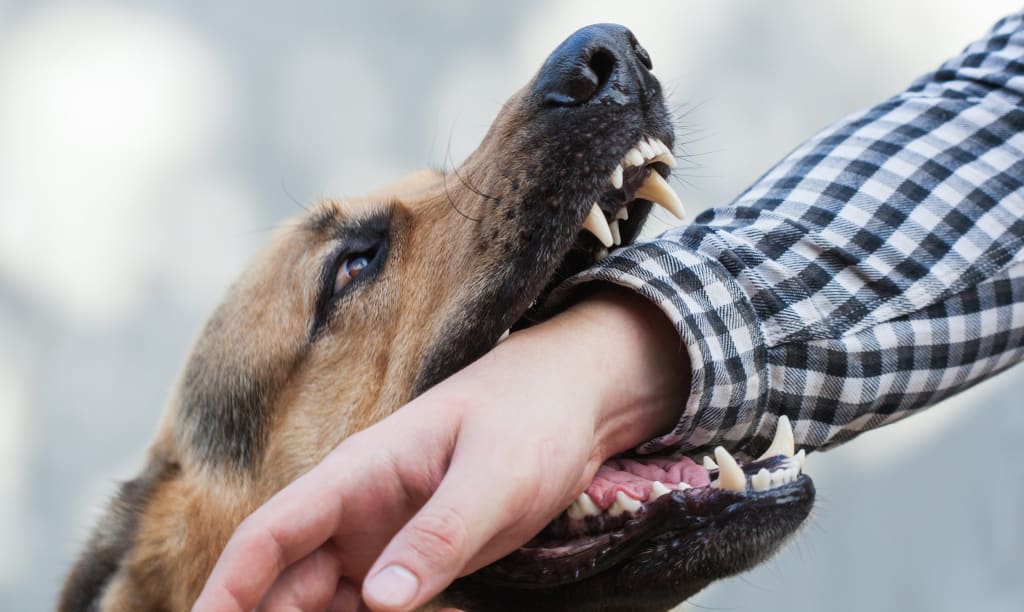
Dog bites pose a significant public health concern, leading to physical injuries, emotional trauma, and financial burdens. As responsible pet owners and community members, it is imperative to understand the factors contributing to dog bites and implement effective strategies to prevent them. This guide offers an in-depth exploration of dog bite prevention, emphasizing responsible ownership, education, and proactive measures.
Understanding the Prevalence and Impact of Dog Bites
Dog bites are more common than many realize, with millions of incidents occurring annually worldwide. In the United States alone, approximately 4.5 million people are bitten by dogs each year, with children being the most vulnerable demographic. These incidents can result in severe injuries, infections, and, in rare cases, fatalities. Beyond the physical harm, victims often endure psychological effects, including fear and anxiety around dogs.
Factors Contributing to Dog Bites
Several factors can increase the likelihood of a dog biting:
Lack of Socialization: Dogs not adequately socialized may react fearfully or aggressively in unfamiliar situations.
Improper Training: Without proper training, dogs may not understand acceptable behavior, leading to unintentional bites.
Health Issues: Medical conditions or injuries can cause dogs to become irritable or aggressive.
Territorial Behavior: Dogs may bite to protect their territory, possessions, or family members.
Provocation: Teasing, startling, or threatening a dog can trigger a defensive bite.
Understanding these factors is crucial in mitigating the risk of dog bites.
Responsible Dog Ownership
Responsible ownership is the cornerstone of dog bite prevention. Owners can take several steps to ensure their dogs are well-behaved and pose minimal risk to others:
1. Early Socialization
Introduce your dog to various people, environments, and other animals during their formative months. Positive experiences help reduce fear and aggression in unfamiliar situations.
2. Obedience Training
Teach your dog basic commands such as sit, stay, come, and leave it. Obedience training fosters good behavior and enhances the bond between you and your dog.
3. Regular Veterinary Care
Maintain your dog's health with regular veterinary visits. Vaccinations, parasite control, and addressing any medical issues promptly can prevent health-related aggression.
4. Supervision and Secure Environments
Always supervise interactions between your dog and unfamiliar people or animals. Ensure your property is secure to prevent your dog from roaming freely, which can lead to unexpected encounters.
5. Leash Usage
Use a leash in public to ensure you can control your dog effectively. This practice not only protects others but also safeguards your dog from potential hazards.
Educating the Community
Community education plays a vital role in reducing dog bite incidents. By promoting awareness and understanding, communities can foster safer interactions between dogs and people.
1. Teaching Children About Dog Safety
Children are at a higher risk for dog bites. Educate them on how to approach dogs safely and recognize warning signs of aggression. Key points include:
- Always ask permission before petting a dog.
- Avoid approaching unfamiliar dogs without an adult.
- Never disturb a dog that is eating, sleeping, or caring for puppies.
2. Recognizing Canine Body Language
Understanding a dog's body language can prevent potential bites. Signs of discomfort or aggression include:
- Raised fur along the back.
- Stiff posture.
- Growling or baring teeth.
- Ears pinned back.
- Tail held high and rigid.
If a dog exhibits these signs, it's best to give them space and avoid interaction.
3. Community Programs and Resources
Support local initiatives that offer dog safety education, such as workshops, school programs, and public seminars. These programs can provide valuable information and resources to community members.
What to Do If a Dog Bite Occurs
Despite preventive measures dog bites can still happen. Knowing how to respond is essential:
Immediate Care: Wash the wound thoroughly with soap and water to reduce infection risk.
Medical Attention: Seek prompt medical care, especially if the bite is deep, the dog is unknown, or signs of infection develop.
Report the Incident: Notify local animal control authorities to document the incident and prevent future occurrences.
Conclusion
Preventing dog bites requires a multifaceted approach involving responsible ownership, community education, and awareness. By understanding the factors that contribute to dog bites and implementing proactive measures, we can create safer environments for both humans and dogs. Remember, a well-trained and socialized dog is less likely to bite, and informed individuals are better equipped to interact safely with dogs.
About the Creator
andy
I am a passionate guest blogger who enjoys exploring and writing about a variety of topics. I aim to provide insightful and engaging content that resonates with readers.
SpongeBob Review
The episode “Employee of the Month” opens with a sun‑kissed burst of Bikini Bottom’s bustling morning, a kaleidoscope of pastel‑colored storefronts and the gentle hum of sea‑foam traffic that immediately immerses the viewer in the town’s whimsical routine. SpongeBob’s pineapple home, rendered in meticulous detail, glistens with dew‑spattered windows, while the ever‑cheerful glow of the Krusty Krab’s neon sign beckons like a lighthouse for the hungry and the hopeful. The animators employ a palette of saturated blues and bright yellows that echo the episode’s central theme of optimism, and the subtle background gags—such as a nervous sea cucumber nervously clutching a clipboard—layer the scene with a richness that rewards multiple viewings. This opening tableau sets a tone of earnest anticipation, foreshadowing the inevitable clash between genuine enthusiasm and corporate competition that forms the episode’s narrative spine.
By Forest Green6 days ago in Journal



Comments (1)
This article is very good. I am very benefited by reading it. You can also read it if you want. If you need a lawyer for a dog bite, then you can visit my website. I am a dog bite specialist lawyer. This is my website : https://www.attorneypollack.com/practice-areas/dog-bites/