
Comparing Single Girder vs. Double Girder 20 Ton Overhead Cranes in Design
Choosing the right crane for your needs
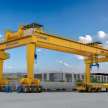

When selecting an overhead crane for your facility, one of the most important decisions you will need to make is whether to go with a single girder or a double girder crane design. Both have their own advantages and limitations, and choosing the right option depends on several factors, including your specific application needs, budget, space constraints, and operational requirements. In this article, we will compare the two crane types—single girder and double girder 20-ton overhead cranes—in terms of their design features, performance, applications, and cost-effectiveness.
What is an Overhead Crane?
A 20 ton overhead crane is a type of lifting device that is mounted on a steel structure above a factory, warehouse, or other operational environments. Overhead cranes are designed to lift, move, and position heavy loads within a defined area, offering a higher level of control and efficiency compared to traditional lifting methods like forklifts or hoists.
Single Girder Overhead Crane Design
A single girder overhead crane consists of one main beam (the girder) that supports the hoist and lifting mechanism. The hoist travels along the length of the girder, usually supported by end trucks (the wheels that move the crane along the rails). Single girder cranes are generally lighter in design, making them suitable for less demanding applications.
Key Features of Single Girder Cranes
Simplicity in design: Single girder cranes are less complex, involving fewer components compared to double girder designs. This simplicity can lead to quicker installation and less maintenance.
Lower cost: Due to the lighter materials and simpler structure, single girder cranes are generally more cost-effective both in initial purchase and installation.
Lightweight and compact: Single girder cranes are often more space-efficient. They have a smaller overall footprint, making them ideal for facilities with limited overhead clearance or those with smaller lifting requirements.
Limited lifting capacity and span: Single girder cranes are generally limited to smaller lifting capacities, typically in the range of 5 to 20 tons. They also have a reduced span and height, which can be limiting for larger operations.
Applications of Single Girder Cranes
Single girder cranes are suitable for applications where the load is relatively light and the required span and lifting height are within modest limits. Industries such as small manufacturing facilities, warehouses, and workshops often use single girder cranes for lifting lighter loads (up to 20 tons). Their compact design also makes them popular in areas with limited space.
Double Girder Overhead Crane Design
A double girder overhead crane features two parallel beams (girders) that support the hoist and lifting system. These girders are mounted on the runway beams, and the hoist travels on the upper flange of the girders, allowing for better lifting height and load distribution. The double girder design offers greater rigidity and strength compared to single girder systems.

Key Features of Double Girder Cranes
Increased lifting capacity and span: Double girder cranes are capable of lifting heavier loads and covering wider spans. They are ideal for heavier-duty applications, particularly those that require a capacity above 20 tons.
Greater lifting height: Because the hoist is located above the girders, double girder overhead cranes offer more vertical space for lifting. This makes them ideal for operations requiring maximum lifting height.
Higher rigidity and stability: The two-girder system offers superior structural strength, making double girder cranes suitable for high-demand environments where stability is crucial.
More complex design: Double girder cranes have a more intricate design with additional components, such as the second girder and extra end trucks. This complexity can lead to longer installation times and higher maintenance requirements.
Applications of Double Girder Cranes
Double girder cranes are widely used in industries requiring heavier lifts and longer spans, such as steel mills, shipyards, heavy manufacturing, and power plants. They are capable of handling loads in the 20-ton to several hundred tons range, making them the go-to solution for demanding heavy-duty lifting operations.
Comparison: Single Girder vs. Double Girder 20 Ton Overhead Cranes
Now that we have established the basic features of both crane types, let’s dive into a detailed comparison of single girder and double girder 20-ton overhead cranes based on various design considerations.
1. Lifting Capacity and Load Handling
Single Girder Crane: While single girder cranes can handle 20 tons of load, their lifting capacity is often limited by their lighter structure. The single girder design may not be as durable or as capable of handling large, dynamic loads over time. For heavier, more complex lifting needs, a single girder crane may not be the most reliable choice.
Double Girder Crane: Double girder cranes excel in this area. With two girders supporting the hoist, they offer a more balanced load distribution, resulting in better stability and strength. These cranes are ideal for applications that involve heavy or unevenly distributed loads. A 20-ton double girder crane will generally have better load handling performance compared to its single girder counterpart, especially in terms of stability and safety.
2. Span and Lifting Height
Single Girder Crane: Single girder cranes have a reduced span and lifting height due to their design limitations. While they can lift loads up to 20 tons, the maximum span typically ranges from 10 to 25 meters. The lifting height is also somewhat restricted, with the hoist often positioned lower compared to double girder cranes.
Double Girder Crane: Double girder cranes offer a significant advantage in terms of span and lifting height. With the hoist traveling between two girders, these cranes can cover longer spans—usually up to 40 meters or more—and provide greater lifting height. This makes them ideal for facilities where maximum overhead clearance and a larger working area are essential.
3. Cost Considerations
Single Girder Crane: Single girder cranes are more affordable due to their simpler design. The material costs are lower, and the installation process is quicker. Maintenance is also generally less expensive because there are fewer components to manage.
Double Girder Crane: Double girder cranes are more expensive both in terms of initial purchase and installation. The additional materials and components contribute to a higher overall cost. However, the increased lifting capacity, span, and durability often justify the higher investment for heavy-duty operations.
4. Maintenance and Longevity
Single Girder Crane: Because of the simpler design, single girder cranes generally require less maintenance. However, because they are less rigid, they may experience wear and tear more quickly, especially when subjected to heavy or dynamic loads.
Double Girder Crane: While double girder cranes are more complex and may require more regular maintenance, their robustness means they typically last longer and offer better performance over time. Their two-girder design also helps distribute the stress more evenly, reducing wear on individual components.
5. Space and Layout Requirements
Single Girder Crane: Single girder cranes are more space-efficient and can be ideal for smaller or more confined spaces. They are often used in facilities where overhead clearance is limited and where high lifting height is not a major concern.
Double Girder Crane: Double girder cranes require more space and have a larger footprint. They are suitable for facilities with more expansive work areas and where higher lifting capacities and spans are needed.
Conclusion
In summary, both single girder and double girder 20-ton overhead cranes have their place depending on the specific demands of the application. Single girder cranes are a great option for lighter, less demanding operations with budget constraints, especially in facilities with limited space. On the other hand, double girder cranes are better suited for heavier-duty operations where high lifting capacities, long spans, and maximum overhead clearance are required. While the initial investment and operational costs may be higher, the increased performance and longevity of double girder cranes make them the preferred choice for many industrial applications.
Ultimately, the choice between single girder and double girder depends on factors such as lifting capacity, space availability, operational requirements, and budget. Each crane design offers a unique set of advantages that can make them the right fit for different types of facilities and projects.
About the Creator
Aicrane01
Welcome to the Aicrane Blog, your practical guide to lifting solutions. Discover articles covering overhead cranes, gantry cranes, winches, steel structures, boat lifts, and more.
Website: https://steelmillcranes.com/




Comments
There are no comments for this story
Be the first to respond and start the conversation.