
Common Mistakes to Avoid During PAT Testing in London
Ensuring Safe and Compliant Electrical Equipment Inspections

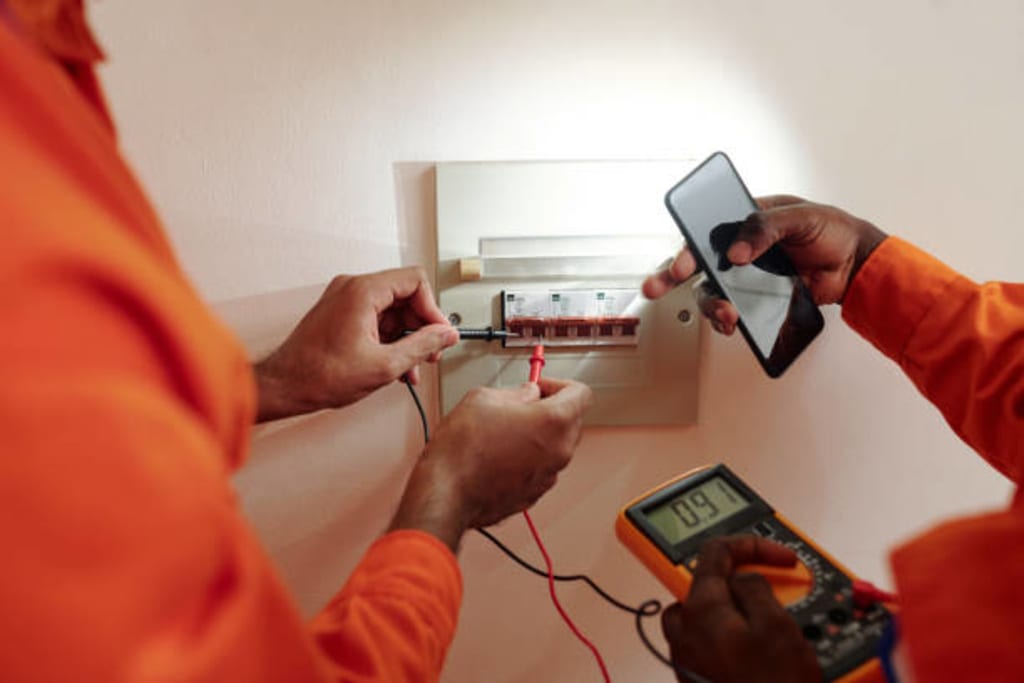
Portable Appliance Testing (PAT) is a vital part of health and safety compliance for workplaces, landlords, and public venues throughout the UK. In a busy and regulated city like London, the importance of proper PAT testing is even more pronounced, particularly in environments where multiple users and high equipment turnover are involved.
While many organisations recognise the need for PAT testing, it’s surprisingly common to see mistakes—both large and small—that can compromise the safety of people and the effectiveness of the process.
In this article, we’ll explore some of the most common mistakes made during PAT testing in London and how to avoid them. We'll also answer frequently asked questions to help ensure your business or property remains compliant and safe.
1. Not Testing All Required Appliances
One of the most frequent errors in PAT testing is overlooking certain types of equipment. Many assume that only high-risk or large electrical items need to be tested. However, all portable appliances that are connected to the mains supply should be considered—including computers, kettles, extension leads, monitors, and chargers.
- Commonly missed items include:
- Phone chargers
- Extension leads
- Desktop fans
- Laptops with power bricks
- Portable heaters
Tip: Create an inventory of all appliances before testing begins and consult the Health and Safety Executive (HSE) guidance for clarification on what counts as a portable appliance.
2. Relying Solely on Visual Inspections
While visual checks are an important part of the PAT testing process, they do not provide the complete picture. Many faults—such as internal wire damage or insulation issues—cannot be seen.
A professional PAT test includes:
- Earth continuity tests
- Insulation resistance tests
- Polarity checks
Tip: Always combine visual inspection with proper testing using approved PAT testing equipment operated by a competent person.
3. Using Unqualified or Inexperienced Testers
In London, where electrical safety compliance is highly regulated and monitored, relying on untrained staff to carry out PAT testing can be a costly mistake.
A person carrying out PAT testing should be competent, meaning they:
- Understand the types of appliances and associated risks
- Know how to use PAT testing equipment properly
- Can interpret test results correctly
Tip: Use a certified PAT testing professional or ensure internal testers have appropriate training and equipment.
4. Failing to Keep Proper Records
Another common oversight is not maintaining accurate records of the testing process. Documentation is not only good practice but also essential in case of audits or insurance claims.
Essential records include:
- Test dates and appliance ID
- Test results and pass/fail status
- Retest schedules
- Tester name and certification
Tip: Use digital PAT testing systems or templates to keep your documentation clear, up-to-date, and easily accessible.
5. Not Labelling Tested Equipment
Every tested appliance should be clearly labelled with a pass or fail sticker, including the date of testing and the retest due date. Failing to label items can lead to confusion and non-compliance.
Tip: Colour-coded labels can help quickly identify whether an item is compliant, especially in large offices or rental properties.
6. Ignoring Retesting Schedules
PAT testing is not a one-off process. Appliances should be retested at appropriate intervals based on:
- The type of equipment
- Its usage environment
- Manufacturer’s recommendations
- Results from previous tests
Tip: High-use items or those in demanding environments (like construction sites or schools) may need more frequent checks—sometimes as often as every 3 to 6 months.
7. Testing During Inconvenient Times
In busy London workspaces or commercial settings, testing during peak hours can lead to significant disruptions. In turn, testers may rush, skip items, or face resistance from staff.
Tip: Schedule PAT testing during early mornings, evenings, or weekends to avoid workplace interference and ensure full cooperation.
8. Testing Equipment That’s Unplugged or Inaccessible
It’s easy to skip items that are difficult to access, especially in offices with fixed workstations or in rented accommodation. However, every appliance must be tested individually. Appliances that remain connected to the mains and in use, without testing, pose a safety risk.
Tip: Notify staff or tenants ahead of time and prepare the environment so all equipment is accessible on the test day.
9. Overlooking New or Recently Purchased Equipment
Some businesses mistakenly believe that new electrical appliances do not need testing. While brand-new equipment may have passed factory checks, it can still be damaged during transportation or installation.
Tip: Visually inspect all new equipment and consider testing items before putting them into regular use.
10. Not Following Up After a Failed Test
If a piece of equipment fails a PAT test, it should be immediately removed from service. Some businesses simply label the item and continue to use it—placing people and property at risk.
Tip: Clearly tag failed appliances, disconnect them, and repair or replace them before reuse. Record follow-up actions in your compliance log.
FAQs: PAT Testing in London
Q1. Is PAT testing a legal requirement in London?
PAT testing is not a legal requirement by name, but under the Health and Safety at Work Act 1974 and the Electricity at Work Regulations 1989, employers and landlords have a legal duty to maintain electrical equipment in a safe condition. PAT testing is a recognised way of meeting this duty.
Q2. How often should PAT testing be done?
There’s no fixed frequency, but guidance suggests:
Every 6–12 months for high-risk environments
Every 1–2 years for low-risk environments like offices
More frequently for items used by the public or on construction sites
Q3. Can I do PAT testing myself?
Yes, if you are competent. That means having suitable training and access to reliable testing equipment. For larger organisations, it is often safer and more efficient to hire a qualified PAT testing professional.
Q4. Do landlords in London need PAT testing?
Yes. Landlords must ensure all supplied electrical equipment is safe. PAT testing is recommended for appliances provided in furnished properties, especially at the start of each new tenancy.
Q5. What happens if I don’t do PAT testing?
You risk serious consequences, including:
- Fire or electric shock hazards
- Legal action in case of injury
- Voided insurance claims
- Fines or enforcement notices following a health and safety inspection
Final Thoughts
PAT testing is a key part of electrical safety in London’s workplaces, homes, and public buildings. By avoiding these common mistakes and following best practices, businesses and landlords can ensure compliance, reduce risk, and maintain safe environments.
Whether carried out in-house by trained personnel or by certified professionals, PAT testing should be approached with care, attention to detail, and a clear understanding of both legal responsibilities and safety outcomes.
About the Creator
Office Compliance Management
Office compliance management offers you a complete solution of compliance services under one roof at affordable prices. Some of our services include Fire Compliance, Electrical Compliance, Health & Safety Compliance
Keep reading
More stories from Office Compliance Management and writers in Journal and other communities.
How Professional Health & Safety Compliance Services Can Protect Your Business
In today's fast-paced and highly regulated business environment, health and safety compliance is no longer a box-ticking exercise – it is a critical component of operational success. Businesses of all sizes are expected to meet stringent health and safety regulations, not only to protect employees and visitors but also to avoid legal consequences, financial penalties, and reputational damage. This is where professional health and safety compliance services play a vital role.
By Office Compliance Management8 months ago in Journal
I Used Perplexity.ai to Kill My SEO Anxiety. You Can, Too.
How I Stopped Panicking About AI Search Engines and Started Winning (A True Story) Let me tell you about the morning I felt the ground shift beneath my feet. I was drinking my usual, too-strong coffee, scrolling through my analytics dashboard. My website—a labor of love I’d built over seven years on sustainable gardening—was more than a blog. It was my livelihood. And there it was: a line on the traffic graph, not dipping, but nosediving. A 22% drop in just three months from organic search.
By John Arthora day ago in Journal



Comments
There are no comments for this story
Be the first to respond and start the conversation.