
Common Garrage Door Emergencies and How to handle them
Garrage Door Emergencies and how to handle them
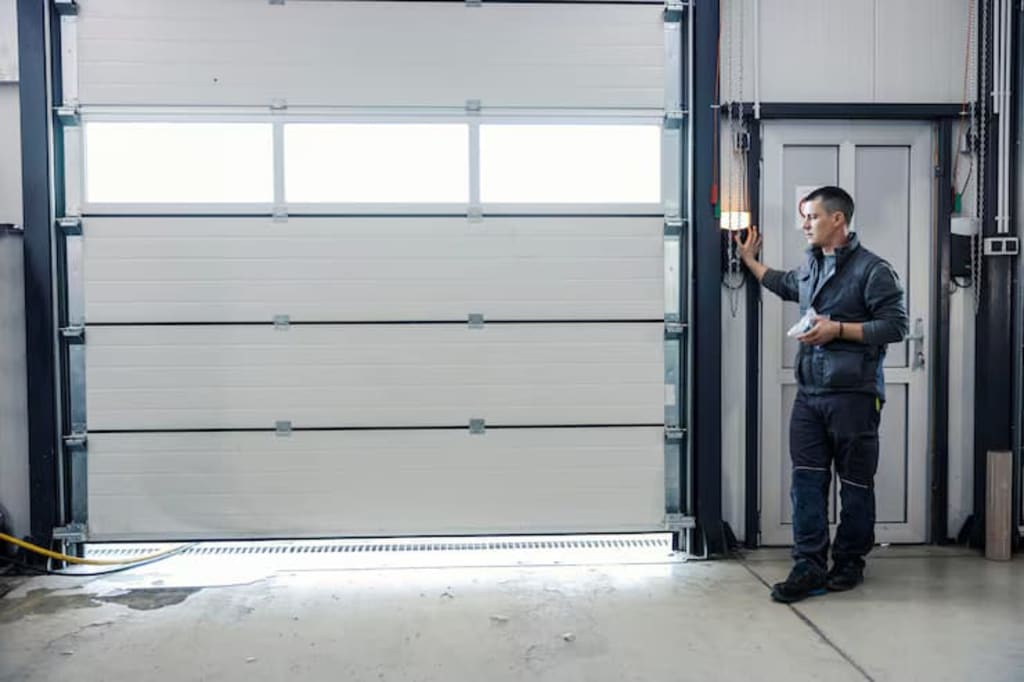
Garage doors play a pivotal role in home security and convenience, but like any mechanical system, they are susceptible to malfunctions. Understanding common garage door emergencies can help you react swiftly and effectively, ensuring your safety and minimizing potential damage. In this comprehensive guide, we will explore various garage door emergencies, their causes, and practical solutions to handle them effectively.
emergency garage door repair
Before delving into specific emergencies, it’s essential to understand the components of a garage door system. A typical garage door consists of several parts, including:
Door panels: The sections that make up the door, often made of steel, wood, or fiberglass.
Tracks: The metal rails along which the door moves.
Springs: Tension springs that assist in lifting and lowering the door.
Cables: Steel cables that connect the door to the springs and help lift it.
Opener: The motorized device that opens and closes the door, often controlled by remote or wall-mounted switches.
Sensors: Safety devices that prevent the door from closing on objects or people.
Understanding how these components work together can help you diagnose issues and communicate effectively with a professional technician when needed.
1. The Door Won’t Open or Close
Causes
One of the most common emergencies is when the garage door refuses to open or close. Several factors can contribute to this problem, including:
Power failure: If your garage door opener isn't receiving power, it won't function.
Remote control issues: Dead batteries or malfunctioning remotes can prevent the door from responding.
Obstruction: Objects in the door's path can trigger safety sensors and halt operation.
Malfunctioning opener: Mechanical failures in the garage door opener can also lead to inoperability.
Solutions
Check the power source: Ensure the opener is plugged in and the circuit breaker hasn’t tripped.
Inspect the remote: Replace the batteries in your remote and test it again.
Clear the path: Look for any obstructions blocking the door's path and remove them.
Manual operation: If the door is stuck, you can disengage the opener by pulling the emergency release cord, allowing you to open or close the door manually.
2. Garage Door Makes Unusual Noises
Causes
Unusual noises like grinding, squeaking, or banging can indicate various issues:
Worn-out rollers: As rollers wear down, they can create irritating sounds during operation.
Loose hardware: Over time, bolts and screws can loosen, causing rattling noises.
Misalignment: If the door is not properly aligned with the tracks, it can produce grinding sounds.
Lack of lubrication: Insufficient lubrication can lead to squeaking or grinding noises in the moving parts.
Solutions
Lubricate moving parts: Use a silicone-based lubricant on rollers, hinges, and tracks to reduce friction and noise.
Tighten hardware: Check for loose bolts and screws, and tighten them appropriately.
Realign the door: If the door appears misaligned, consult a professional to realign it properly.
3. The Door is Off Its Tracks
Causes
A garage door can come off its tracks for several reasons:
Forceful impact: Hitting the door with a vehicle can cause it to dislodge from its tracks.
Worn-out rollers: Deteriorating rollers may not glide smoothly, leading to misalignment.
Worn cables: Frayed cables can cause the door to slip out of the tracks.
Solutions
Do not attempt to force it back: Trying to push the door back into place can cause further damage.
Manually disengage the opener: Pull the emergency release cord to disable the opener for safety.
Call a professional: It’s advisable to consult a emergency garage door repair technician to properly realign and secure the door.
4. Broken Springs
Causes
Garage door springs absorb the door's weight and facilitate smooth operation. Over time, springs can break due to:
Wear and tear: Springs have a limited lifespan and can wear out with frequent use.
Rust: Corrosion can weaken springs, making them more susceptible to breaking.
Solutions
Do not attempt DIY repairs: Garage door springs are under immense tension and can be dangerous to replace without proper training.
Call a professional: It’s crucial to hire a qualified technician to replace broken springs safely.
5. The Door Reverses Unexpectedly
Causes
If your garage door starts to close and then reverses, it can be frustrating. Common causes include:
Obstruction detection: Safety sensors may sense an object in the path, triggering a reversal.
Misaligned sensors: If the sensors are not aligned properly, they can misinterpret signals.
Electrical issues: Faulty wiring or a malfunctioning opener can also cause this behavior
Solutions
Check for obstructions: Ensure there are no objects blocking the door’s path.
Align sensors: Inspect the safety sensors to ensure they are properly aligned and free of dirt or debris.
Consult a technician: If the problem persists, consult a professional to diagnose and repair any electrical issues.
6. The Remote Control Isn’t Working
Causes
A malfunctioning remote control can be a significant inconvenience. Common causes include:
Dead batteries: This is the most frequent issue and can easily be resolved.
Interference: Other electronic devices can sometimes interfere with the signal.
Programming issues: The remote may need to be reprogrammed or synced with the opener.
Solutions
Replace the batteries: Start by replacing the batteries in the remote.
Test the remote: If possible, try using a different remote to see if it works.
Reprogram the remote: Refer to the manufacturer’s instructions to reprogram the remote if necessary.
7. Weather-Related Issues
Causes
Extreme weather conditions can impact garage door functionality. Common issues include:
Freezing temperatures: Cold weather can cause parts to freeze, preventing the door from opening or closing.
Heavy rains: Water can accumulate in the tracks, causing the door to jam.
Wind damage: Strong winds can cause the door to bend or become misaligned.
Solutions
Keep tracks clear: Regularly check and clean the tracks to ensure they are free from debris and water.
Use a heater: In freezing temperatures, consider using a space heater in the garage to prevent freezing.
Inspect for damage: After severe weather, inspect the door for any signs of damage and consult a technician if needed.
8. Garage Door Doesn’t Stay Closed
Causes
If your garage door doesn’t stay closed, it can pose a security risk. Possible causes include:
Faulty sensors: Misaligned or malfunctioning sensors can cause the door to reopen.
Spring issues: Worn-out springs may not hold the door in a closed position.
Lubrication problems: Lack of lubrication can cause friction, preventing the door from closing properly.
Solutions
Inspect sensors: Ensure the sensors are aligned and functioning correctly.
Check spring tension: If you suspect spring issues, consult a professional for assessment and repair.
Lubricate components: Regularly lubricate moving parts to ensure smooth operation.
9. The Door is Stuck Halfway
Causes
A garage door that becomes stuck halfway can be alarming. Common causes include:
Obstructions: Objects blocking the tracks can prevent the door from moving.
Mechanical failure: Issues with the opener or tracks can cause the door to halt unexpectedly.
Spring problems: Worn or broken springs can lead to a stuck door.
Solutions
Clear the path: Check for any obstructions that may be blocking the door’s movement.
Manual operation: Use the emergency release cord to disengage the opener and manually move the door.
Call for help: If the door remains stuck, it’s best to consult a technician for a thorough inspection.
10. Garage Door Opener Issues
Causes
Garage door openers can experience various issues that prevent them from functioning correctly:
Power surges: Sudden power outages can affect the opener’s performance.
Mechanical failure: Wear and tear can lead to malfunctioning components.
Remote control interference: Other electronic devices may interfere with the remote signal.
Solutions
Reset the opener: Many openers have a reset feature that can restore functionality.
Check wiring: Inspect the wiring for any visible issues or damage.
Consult a technician: If problems persist, seek professional help to diagnose and repair the opener.
Preventive Measures to Avoid Emergencies
While emergencies can happen despite our best efforts, implementing preventive measures can significantly reduce the likelihood of issues. Here are some essential tips:
Regular Maintenance: Schedule regular maintenance checks for your garage door. This includes lubrication, tightening hardware, and checking the alignment of tracks and sensors.
Visual Inspections: Regularly inspect all components of your garage door system for signs of wear, rust, or damage. Early detection can prevent bigger problems down the road.
Keep Tracks Clear: Ensure that the tracks are free of debris and obstructions. This will help maintain smooth operation.
Test Safety Features: Regularly test the safety features, such as the auto-reverse function and sensors, to ensure they are working correctly.
Educate Family Members: Ensure everyone in your household understands how to operate the garage door safely and knows what to do in case of an emergency.
Conclusion
Garage door emergencies can be daunting, but understanding the common issues and knowing how to handle them can make a significant difference. By being proactive and performing regular maintenance, you can minimize the likelihood of emergencies and ensure your garage door operates smoothly and safely. Remember, when in doubt or faced with a significant issue, it's always best to consult a professional technician who can provide expert assistance and ensure your garage door is in top condition. Keeping your garage door functional not only enhances your home's security but also contributes to your overall peace of mind.
About the Creator
Keep reading
More stories from writers in Journal and other communities.
🅼🅸🅳🅽🅸🅶🅷🆃 🆂🅽🅰🅲🅺🆂
"It's 10 in Tuscon! We all know what that means... It's Time for Midnight Snacks with your man, Gerald Gee! Ready to spend the night together? Me too! I'm full of snacks and can't wait to regurgitate them all back into your hungry ears. Crack a brew! Pop some corn! Anything to get ready for one hell of a show where the talk maybe cheap but the words cut deep...
By Lamar Wiggins3 days ago in Fiction




Comments
There are no comments for this story
Be the first to respond and start the conversation.