
Coin Shops Say They’re Swimming in So Much Silver and Gold That They’re Having to Limit Purchases
Why a flood of sellers and clogged refineries are putting small dealers in an unusual bind

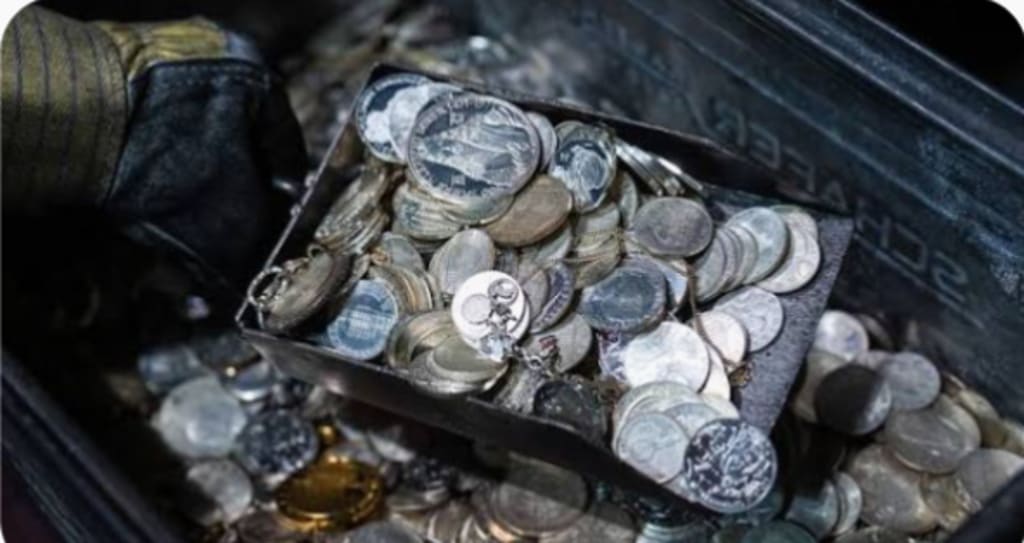
Introduction: A Strange Problem in the Precious Metals Market
It sounds like a dream scenario for any business — having too much valuable inventory. But for many coin shops across the United States, that’s exactly the problem they’re facing right now.
Local dealers report they are overflowing with gold and silver, to the point that some have begun limiting how much they can buy from customers each day. The surge in precious metal selling has created a bottleneck in the system, leaving shops with more metal than they can easily process or resell.
This unusual situation highlights how volatile and unpredictable the precious metals market has become — and how everyday people are responding to record-high prices and economic uncertainty.
What Caused the Flood of Gold and Silver?
The main driver behind this surge is simple: prices skyrocketed.
In recent months, gold and silver prices climbed to historic highs. Gold surged to levels never seen before, and silver followed closely behind. These dramatic increases encouraged people to cash in on items they had been holding onto for years — old jewelry, coins, bars, and even silverware.
For many households, selling precious metals became a quick way to handle:
Rising living costs
Medical expenses
Credit card debt
Emergency bills
Instead of sitting on valuables, people saw an opportunity to turn them into cash while prices were still high.
Coin shop owners began noticing a pattern: far more sellers than buyers were walking through their doors.
Coin Shops Are Running Out of Space — and Options
Normally, coin shops buy precious metals and then send them to refineries where they are melted down and purified. Once refined, the metal is resold into the broader market.
But that system has hit a breaking point.
Refiners Are Backed Up
Refineries are now overwhelmed with material. The sheer volume of gold and silver arriving at their facilities has caused delays and, in some cases, forced them to temporarily stop accepting new shipments.
When refineries slow down, coin shops have nowhere to send their inventory. That means:
Storage rooms fill up
Cash flow gets tied up
Risk increases if prices suddenly drop
With limited space and money, many dealers simply can’t keep buying endlessly.
Why Shops Are Limiting Purchases
To protect themselves, coin shops are now setting limits on how much metal they will buy from individual customers.
Some common measures include:
Capping daily purchase amounts
Refusing certain types of silver or scrap metal
Prioritizing popular coins like American Silver Eagles
Offering lower prices to slow down selling
These policies help shops manage risk in an extremely volatile market. If prices drop suddenly, holding too much metal could cause significant losses.
Dealers say this isn’t about lack of demand — it’s about survival and balance.
What This Means for Sellers
If you’re thinking about selling gold or silver, the current market conditions may affect your experience.
1. You Might Be Turned Away
Some shops are temporarily refusing to buy certain metals or limiting how much they can purchase in one visit.
2. Prices May Vary Widely
Different shops have different inventory levels and refinery connections. This means offers can differ significantly from place to place.
3. Expect Longer Wait Times
Busy shops and overwhelmed staff can mean slower service and longer processing times.
4. Spot Price Isn’t Always What You’ll Get
Dealers must factor in risk and storage costs, so offers may be below the current market price.
Market Volatility Is the Real Culprit
Another key factor is price instability.
Gold and silver prices haven’t just gone up — they’ve been swinging wildly. A metal that sells at one price in the morning could drop by afternoon. That kind of volatility makes it dangerous for small businesses that operate on thin margins.
Coin shops depend on stability to keep buying and selling smoothly. Without it, every purchase becomes a gamble.
Why Dealers Aren’t Panicking (Yet)
Despite the challenges, most dealers remain cautiously optimistic.
Gold and silver are still much higher than they were a year ago, and long-term demand remains strong. Precious metals are traditionally seen as safe havens during times of inflation, political uncertainty, and stock market turbulence.
Many shop owners believe this is a temporary situation that will ease once:
Refineries catch up
Prices stabilize
Seller traffic slows
Until then, patience is the name of the game.
What Buyers Should Know
For buyers, this environment can be both good and bad:
Pros:
More physical metal available
Potential bargaining power
Wider selection
Cons:
Price swings
Limited availability of popular coins
Possible delays in fulfillment
This market favors those who stay informed and shop around.
The Bigger Picture
This unusual glut of gold and silver reflects deeper economic concerns. When people rush to sell valuables, it often signals financial stress and uncertainty. At the same time, the popularity of precious metals shows that many still see them as a hedge against inflation and instability.
The precious metals market has always been cyclical, but the current combination of:
Record prices
Refinery bottlenecks
Heavy consumer selling
Market volatility
has created one of the strangest periods in recent history for local coin shops.
Conclusion: A Temporary Overflow in a Timeless Market
Coin shops swimming in gold and silver might sound like a luxury problem, but it reveals just how fragile the balance of supply and demand can be.
For now, dealers are taking a cautious approach — limiting purchases, managing inventory, and waiting for the refining system to catch up. Sellers and buyers alike must navigate a market that’s both lucrative and unpredictable.
In the long run, gold and silver will likely remain staples of the financial world. But for the moment, America’s coin shops are learning that even precious metals can pile up faster than the system can handle.
About the Creator
Sajida Sikandar
Hi, I’m Sajida Sikandar, a passionate blogger with 3 years of experience in crafting engaging and insightful content. Join me as I share my thoughts, stories, and ideas on a variety of topics that matter to you.
Keep reading
More stories from Sajida Sikandar and writers in Journal and other communities.
Why Gold Prices Are So High in 2026
Safe-Haven Demand Economic uncertainty remains one of the biggest drivers of gold prices. Investors turn to gold when stock markets wobble or when concerns about inflation and recession grow. In early 2026, global markets have faced mixed economic signals, prompting many to protect their wealth through precious metals.
By Sajida Sikandara day ago in Journal
Super Bowl LX Recap: A Team Called Hawks
Sixty. The Super Bowl turned 60! Still amazes me that this was the sixtieth Super Bowl played in NFL history. It seems like yesterday that I watched Super Bowl XXVII, the first SB I ever watched. The QB who won Super Bowl XXVII has since called a few SBs, and will call next year's game, but that's another story. Super Bowl LX took place at Levi's Stadium in Santa Clara, California, the home stadium of the San Francisco 49ers. However, it was one of their division foes who represented the NFC, as the Seattle Seahawks faced off against the New England Patriots.
By Clyde E. Dawkinsabout 12 hours ago in Unbalanced



Comments
There are no comments for this story
Be the first to respond and start the conversation.