
Coin Shops Overflow with Precious Metals as Gold and Silver Supply Surges
Why Dealers Are Limiting Purchases Amid Record Sell-Offs and Shifting Investor Sentiment
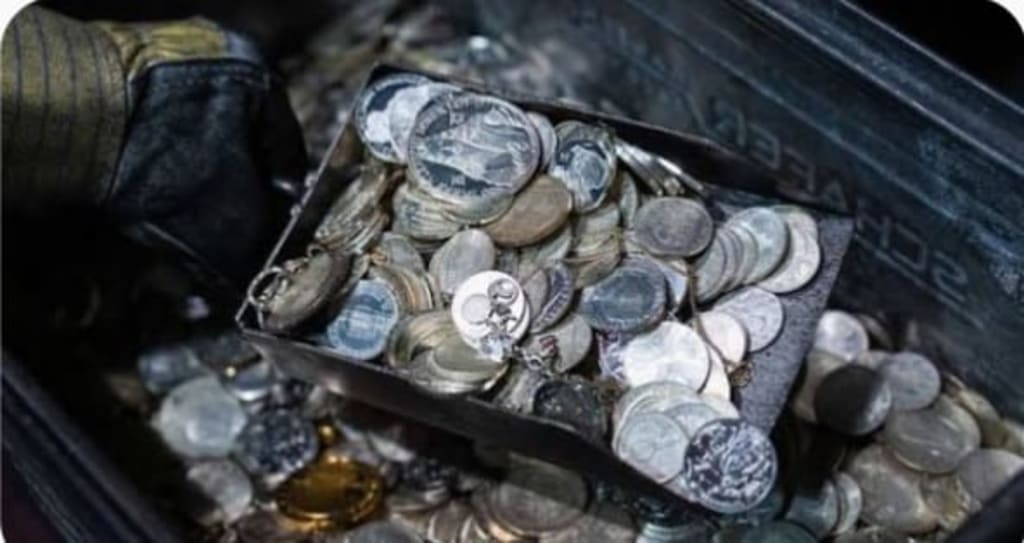
In recent months, coin shops and precious metal dealers across the country have found themselves facing an unexpected challenge: too much gold and silver. Once accustomed to scrambling for inventory to meet rising demand, many dealers now report being “swamped” with sellers eager to cash in their holdings. As a result, several shops have begun limiting purchases, delaying payouts, or temporarily turning away customers.
This unusual trend reflects a broader shift in investor sentiment, driven by economic uncertainty, fluctuating interest rates, and changing perceptions about the role of precious metals in modern portfolios.
A Surge in Sellers
Traditionally, gold and silver have been seen as safe-haven assets—reliable stores of value during times of inflation, political instability, or financial crisis. Over the past decade, demand surged whenever markets appeared shaky, leading to booming business for coin shops.
However, in recent months, that pattern has reversed.
Dealers report a steady stream of customers bringing in old jewelry, inherited coins, bullion bars, and even long-held investment collections. Many sellers are motivated by rising living costs, debt pressures, or the desire to take profits after years of holding.
With gold and silver prices remaining relatively strong compared to historical levels, many investors see this as the right moment to sell.
Why Are People Selling Now?
Several economic factors are contributing to the surge in precious metal sales.
1. High Cost of Living
Inflation has placed pressure on household budgets. From food and fuel to rent and utilities, expenses have risen sharply. For many families, selling gold or silver has become a practical way to generate quick cash.
What was once considered a long-term investment is now being used as a financial safety net.
2. Interest Rate Environment
Higher interest rates have made traditional savings accounts, bonds, and fixed-income investments more attractive. As returns improve in conventional financial products, some investors are moving away from metals, which do not generate interest.
This shift has reduced the appeal of holding physical gold and silver.
3. Market Uncertainty and Portfolio Rebalancing
Stock markets have experienced periods of volatility, while cryptocurrencies and tech stocks have faced significant corrections. In response, many investors are restructuring their portfolios.
Some are choosing to liquidate metals to invest elsewhere or simply hold cash during uncertain times.
4. Profit-Taking After Long-Term Holding
Gold prices have risen substantially over the past decade. Long-term holders who bought at lower levels are now seeing healthy gains. Rather than waiting for further increases, many are choosing to lock in profits.
Coin Shops Reach Capacity
The influx of sellers has created logistical and financial challenges for coin shops.
Most dealers operate with limited storage, security systems, and capital. When large volumes of metals arrive at once, it becomes difficult to process, authenticate, store, and resell them efficiently.
As a result, many shops are:
Limiting daily purchase amounts
Offering lower premiums
Extending payment timelines
Temporarily suspending buying
Prioritizing regular customers
Some dealers report that their safes and vaults are filled to capacity. Others say their wholesale buyers and refineries are also backed up, slowing down the entire supply chain.
Impact on Prices and Payouts
When supply overwhelms demand, prices tend to soften. While global gold and silver prices are set by international markets, local dealers operate with narrower margins.
With so much metal available, shops can afford to be selective. This often means offering sellers slightly less than spot price or reducing bonuses for high-quality items.
For customers, this can be disappointing.
Many arrive expecting top dollar, only to discover that market conditions and inventory levels are working against them.
Experts advise sellers to compare offers from multiple dealers and remain patient if possible.
A Shift in Consumer Behavior
The current trend also reflects changing attitudes toward physical assets.
In previous generations, gold and silver were symbols of long-term security and wealth preservation. Families passed down jewelry and coins as heirlooms. Today, younger investors often prefer digital assets, exchange-traded funds, and online trading platforms.
This generational shift has reduced emotional attachment to physical metals, making it easier for people to sell when financial pressure arises.
Additionally, online marketplaces and instant payment services have made selling more convenient, accelerating the pace of transactions.
Dealers Adapt to the New Reality
To cope with the surplus, many coin shops are adjusting their business models.
Some are expanding storage facilities, while others are strengthening partnerships with refineries and bulk buyers. A few have shifted focus toward collectibles, rare coins, and numismatic items, which remain in high demand.
Others are investing in better pricing systems and digital platforms to manage inventory more efficiently.
Despite the challenges, many dealers view the current situation as temporary.
Is This the End of the Gold Rush?
Most experts believe the precious metals market is cyclical. Periods of heavy selling are often followed by renewed interest when economic or geopolitical risks rise.
Gold and silver continue to play an important role in global finance, central bank reserves, and investment strategies. Inflation concerns, currency fluctuations, and geopolitical tensions could quickly revive demand.
In fact, some analysts argue that the current sell-off may create buying opportunities for long-term investors.
When supply is high and prices soften, strategic buyers often step in.
What Sellers and Buyers Should Know
For those considering selling gold or silver, timing and research are crucial.
Sellers should:
Check current spot prices
Get multiple quotes
Understand fees and deductions
Avoid panic selling
Buyers, on the other hand, may benefit from increased availability and competitive pricing. With shops eager to move inventory, bargains may be possible, especially for bulk purchases.
Conclusion
The sight of coin shops overflowing with gold and silver marks a rare moment in the precious metals market. Driven by economic pressures, shifting investment trends, and profit-taking, investors are selling in record numbers.
While this has created challenges for dealers, it also
About the Creator
The Lesions of Devotion
Every day I set myself down on the freshly cut lawn and strip myself bare. I take my guitar and finger the frets and pick at the strings, listening for dissonance. My life is dissonance. I twist the tuning pegs until each string sounds bright. Then I kneel, calves pointing behind me, kneecaps facing forward. All exposed to the breeze. I close my eyes and play the melody.
By Paul Stewart5 days ago in Fiction


Comments
There are no comments for this story
Be the first to respond and start the conversation.