
Choosing the Right Damping Roller: Factors to Consider for Your Machinery
Choose the right damping roller by considering material, load capacity, speed, environment, vibration, size, maintenance, and cost for optimal machinery performance.
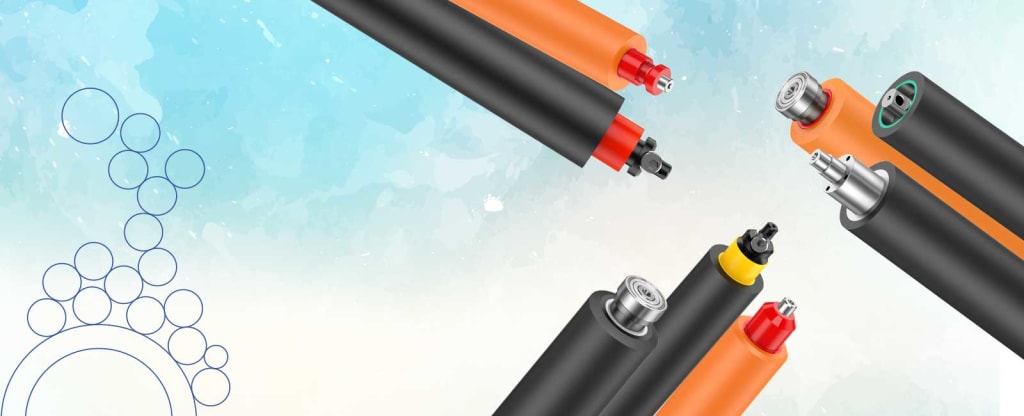
Damping rollers play a critical role in many industrial and manufacturing processes by controlling vibrations, reducing noise, and ensuring smooth operation. Choosing the right damping roller for your machinery is essential for maintaining efficiency, prolonging equipment life, and minimizing operational issues. This article explores the key factors to consider when selecting a damping roller to meet the specific requirements of your machinery.
Understanding Damping Rollers
A damping roller is designed to absorb and dissipate energy caused by vibrations, shocks, or impacts. These rollers are commonly used in industries such as printing, packaging, automotive manufacturing, and material handling. By controlling unwanted movement, damping rollers enhance the performance and longevity of machinery, improving the overall quality of production processes.
Key Factors to Consider When Choosing a Damping Roller
1. Material Composition
The material of the damping roller significantly affects its performance and durability. Common materials include:
Rubber: Ideal for applications requiring high flexibility and vibration absorption.
Polyurethane: Offers excellent wear resistance and durability in high-load environments.
Silicone: Suitable for high-temperature applications and provides excellent damping properties.
Metal with Coatings: Combines strength with vibration-damping coatings, suitable for heavy-duty operations.
Choose a material that matches your operational environment, load requirements, and temperature range to ensure optimal performance.
2. Load Capacity
Each damping roller has a specific load capacity, which refers to the maximum weight it can support without compromising performance. Exceeding the load capacity can lead to premature wear, reduced damping efficiency, and potential damage to the roller and machinery. Calculate the load requirements of your machinery and select a roller that offers a suitable safety margin.
3. Operating Speed
The speed at which your machinery operates influences the choice of a damping roller. High-speed applications require rollers with low rolling resistance and high durability to prevent heat buildup and ensure smooth performance. Check the manufacturer’s specifications for the recommended speed range of the roller.
4. Environmental Conditions
Environmental factors such as temperature, humidity, and exposure to chemicals can impact the performance of damping rollers. For instance:
- High temperatures may require heat-resistant materials like silicone.
- Humid or wet conditions may necessitate rollers with water-resistant properties.
- Exposure to chemicals or oils demands rollers with chemical-resistant coatings.
- Assess the working environment to choose a roller designed to withstand these conditions.
5. Vibration Frequency and Amplitude
The effectiveness of a damping roller depends on its ability to match the vibration frequency and amplitude of the machinery. Understanding the operational dynamics of your equipment will help you select a roller with the right damping characteristics. Some manufacturers provide technical data to guide this decision.
6. Dimensional Compatibility
Ensure that the damping roller’s dimensions, including diameter, width, and axle size, are compatible with your machinery. Improper sizing can result in misalignment, reduced performance, and increased wear. Always refer to the machinery’s specifications or consult with the roller manufacturer for accurate sizing.
7. Maintenance Requirements
Different damping rollers have varying maintenance needs. Rollers with self-lubricating properties or low-maintenance designs can reduce downtime and operational costs. Consider the ease of cleaning, replacement, and overall maintenance when selecting a roller.
8. Cost and Longevity
While cost is an important consideration, prioritize value over initial expense. A high-quality damping roller may have a higher upfront cost but can offer better performance and longer service life, ultimately reducing total ownership costs. Evaluate the roller’s expected lifespan and the frequency of replacement required.
Benefits of Choosing the Right Damping Roller
Selecting the appropriate damping roller provides several advantages:
Enhanced Machinery Performance: Reduces vibrations and noise, ensuring smooth and efficient operation.
Increased Equipment Longevity: Minimizes wear and tear on machinery components.
Improved Product Quality: Ensures consistent and precise operation in production processes.
Lower Operational Costs: Reduces maintenance requirements and downtime.
Conclusion
Choosing the right damping roller for your machinery requires careful consideration of factors such as material composition, load capacity, operating speed, environmental conditions, vibration characteristics, and maintenance requirements. By understanding the specific needs of your equipment and operational environment, you can select a damping roller that ensures optimal performance, longevity, and efficiency.
Investing time and resources into selecting the ideal damping roller will pay off in the form of smoother operations, reduced downtime, and improved overall productivity. When in doubt, consult with experts or manufacturers to make an informed decision tailored to your unique application.
About the Creator
Shane Mathew
Shane Mathew is a blogging enthusiast. He loves sharing information and idea through the power of word across the whole world.
Keep reading
More stories from Shane Mathew and writers in Journal and other communities.
Health Benefits of Blue Pea Flower Tisane: A Vibrant Herbal Tea for Wellness
In the world of herbal teas, Blue Pea Flower Tisane has gained immense popularity due to its captivating color and impressive health benefits. Known for its vibrant blue hue and ability to change color based on pH levels, this herbal infusion is made from the flowers of Clitoria ternatea, also known as butterfly pea.
By Shane Mathewabout a year ago in Journal



Comments
There are no comments for this story
Be the first to respond and start the conversation.