
Choosing the Best Mountain Bike Helmet
Learn about the essential features of a mountain bike helmet to protect yourself during off-road rides.
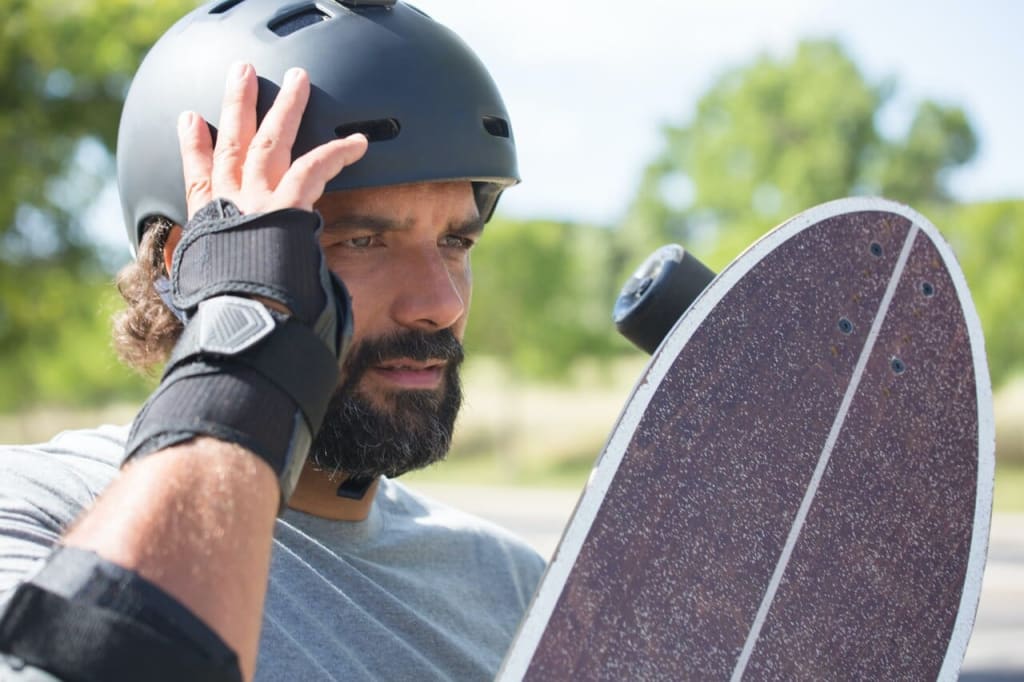
When it comes to mountain biking, having the right gear is crucial to ensure both safety and comfort. One of the most important pieces of gear for any mountain biker is the helmet. But with so many options on the market, it can be overwhelming to choose the best one. In this article, we’ll provide a comprehensive guide to help you choose the best mountain bike helmet.

1. Introduction
Mountain biking is an exciting and adventurous sport, but it can also be dangerous. Wearing a helmet while biking is not only essential but also required by law in many places. With so many options available on the market, choosing the right helmet can be a daunting task. This guide will help you navigate through the various features of mountain bike helmets, so you can choose the best one for your needs.
2. Types of Mountain Bike Helmets
There are three main types of mountain bike helmets: full-face helmets, half-shell helmets, and road/mountain bike hybrid helmets. Each type offers different levels of protection and comfort, and you should choose one based on the type of riding you do.

3. Full-Face Helmets
Full-face helmets offer the most protection and are designed for downhill or extreme riding. They cover the entire head and face, including the chin and jaw, and offer a visor to protect your eyes from the sun and debris.
4. Half-Shell Helmets
Half-shell helmets cover the top and sides of your head but do not offer full-face protection. They are a good choice for cross-country or trail riding and are lightweight and well-ventilated.

5. Road/Mountain Bike Hybrid Helmets
Road/mountain bike hybrid helmets offer the least amount of protection but are the most versatile. They are designed for both road and mountain biking and offer good ventilation and comfort.
6. Helmet Fit
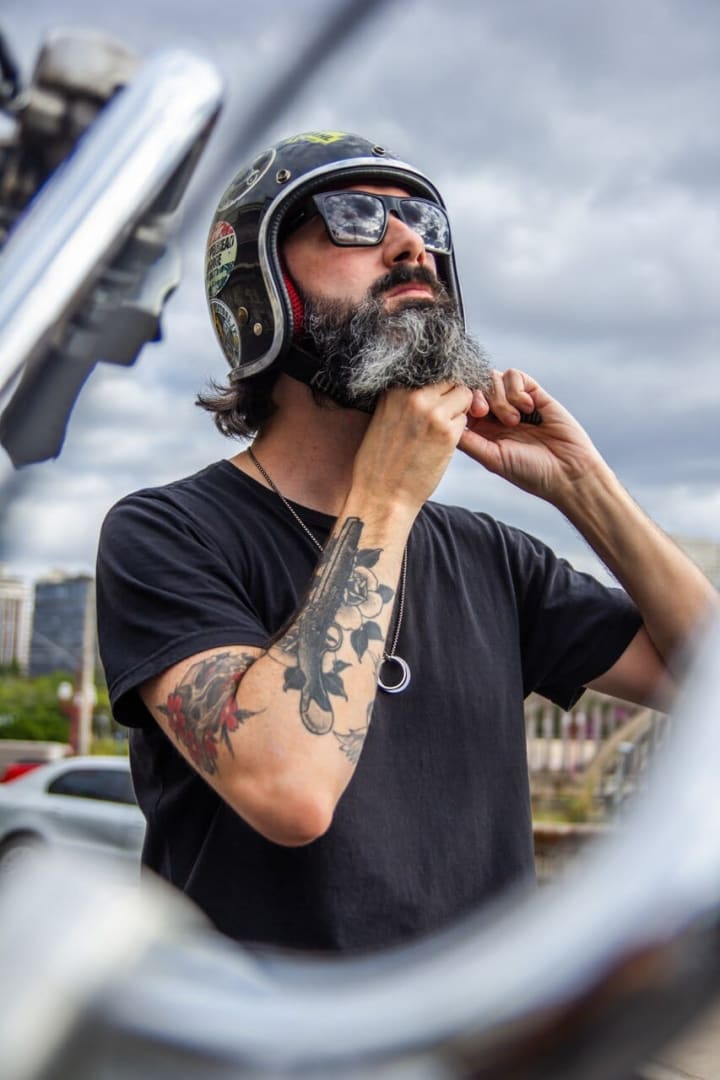
A helmet that doesn’t fit properly won’t provide adequate protection, so it’s important to choose one that fits well. Look for a helmet that sits snugly on your head and doesn’t move around when you shake your head.
7. Helmet Features
When choosing a helmet, consider the features that are important to you. Some features to look for include:
Ventilation: good ventilation is essential to keep you cool and comfortable while riding.
Visor: a visor can protect your eyes from the sun and debris.

Retention system: a good retention system will keep the helmet securely in place.
Padding: padding can improve comfort and absorb sweat.
8. Helmet Safety Ratings
All helmets must meet certain safety standards, but some helmets offer additional safety features. Look for helmets that are certified by organizations such as the Consumer Product Safety Commission (CPSC), Snell Memorial Foundation, or the European Committee for Standardization (EN).
9. Helmet Price
Helmets can range in price from less than $50 to over $500. While a more expensive helmet may offer additional features or better ventilation, it’s important to choose a helmet that fits your budget and provides adequate protection.
10. Conclusion
Choosing the right mountain bike helmet is essential for both safety and comfort. Consider the type of riding you do, the fit, features, safety ratings, and price when choosing a helmet.
11. FAQs
What is the most important feature to look for when choosing a mountain bike helmet?
A: The most important feature is fit, as a helmet that doesn’t fit properly won’t provide adequate protection.
Are full-face helmets necessary for all mountain biking?
A: Full-face helmets are designed for extreme downhill riding and may not be necessary for all types of mountain biking.
How do I know if a helmet is certified for safety?
A: Look for certifications from organizations such as the Consumer Product Safety Commission (CPSC), Snell Memorial Foundation, or the European Committee for Standardization (EN).
Can I use a road bike helmet for mountain biking?
A: While road bike helmets are designed for different types of riding, some road/mountain bike hybrid helmets can be used for both road and mountain biking.
Do I need to replace my helmet after a crash?
A: Yes, it’s important to replace your helmet after a crash, even if there are no visible signs of damage, as the helmet may have absorbed impact and be compromised in its ability to protect your head.
Choosing the best mountain bike helmet is an important decision that should not be taken lightly. With so many options on the market, it’s important to consider factors such as the type of riding you do, the fit, features, safety ratings, and price. By choosing the right helmet, you can ensure both safety and comfort while enjoying your mountain biking adventures.
About the Creator
Hopika Inc
Our sophisticated collection of women's clothing delivers an uncompromising blend of fashion, comfort and functionality. Look stylish wherever the day takes you from a casual outing at the cafe to a night out with friends or shopping spree!
Keep reading
More stories from Hopika Inc and writers in Journal and other communities.
What to Look for in a Road Bicycle Helmet
Are you planning to hit the road with your bicycle? Whether it's for leisure or competitive cycling, safety should always come first. One of the most essential safety gears you need to have is a reliable road bicycle helmet. But with so many options available on the market, choosing the right one can be overwhelming. In this article, we'll guide you through the things you need to look for in a road bicycle helmet.
By Hopika Inc3 years ago in Journal
Rebuilding the Heart of Tradition: The Revival of Sim Corder Mill
Restoring Sim Corder Mill is more than a construction project. It is a journey into the past and a promise to protect the skills that shaped a community. The mill once stood as a center of local craft, labor, and pride. Time changed the world around it, yet its story remained strong in the memories of families who lived and worked nearby. Today, the work of restoring Sim Corder Mill brings history back into view and honors the handmade craft that first gave the mill its purpose.
By Grady Gastonabout 8 hours ago in Journal


Comments
There are no comments for this story
Be the first to respond and start the conversation.