
Chitosan and Treating Viral Diseases: An Overview
A natural biopolymer derived from chitin.

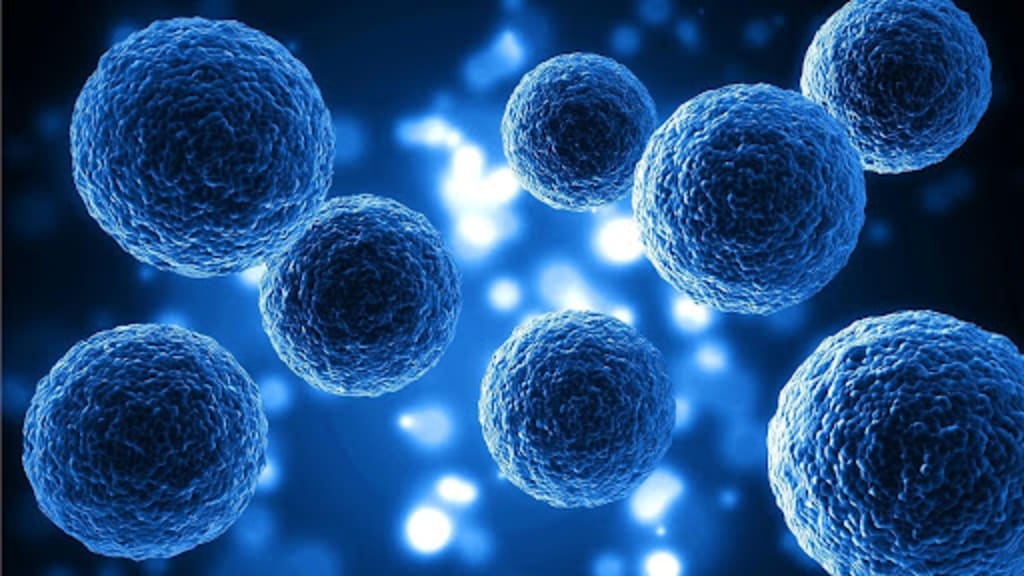
The emergence of viral diseases such as SARS, MERS, and COVID-19 has highlighted the need for effective antiviral treatments. While vaccines and antiviral medications have been developed to combat these diseases, there is ongoing research into alternative treatments that can supplement these options.
One such treatment studied for its potential antiviral properties is biomedical chitosan, a natural biopolymer derived from chitin.
What is Chitosan?
Chitosan is a linear polysaccharide composed of randomly distributed β-(1-4)-linked D-glucosamine (deacetylated unit) and N-acetyl-D-glucosamine (acetylated unit).
It is derived from chitin, a natural biopolymer that is found in the exoskeletons of crustaceans such as shrimp, crabs, and lobsters, as well as the cell walls of fungi and the cuticles of insects. Chitin is the second most abundant polysaccharide in nature, surpassed only by cellulose.
Chitosan is a versatile biopolymer with a wide range of potential applications. It is composed of glucosamine and N-acetylglucosamine, which are natural amino sugars that are widely distributed in nature.
Chitosan has a number of interesting properties that make it attractive for a variety of applications. It is biodegradable, biocompatible, and non-toxic, which makes it safe for use in medical applications. It is also water-soluble and can be easily modified to enhance its properties for specific applications.
Chitosan's unique properties also make it useful in a variety of other applications, including food packaging, wastewater treatment, and agriculture. It is a natural, renewable resource that is an environmentally friendly alternative to synthetic materials. It is also easily modified to enhance its properties for specific applications, such as increasing its strength or improving its solubility.
Medical chitosan is a fascinating natural biopolymer with a wide range of potential applications. Its unique properties and versatility make it an attractive material for use in a variety of different fields, including medicine, food packaging, and environmental remediation.
Antiviral Properties of Chitosan
Chitosan has shown promising antiviral properties against a variety of viral diseases. The molecular mechanisms underlying chitosan's antiviral activity are diverse and include inhibition of virus entry into host cells, disruption of viral replication, and stimulation of the host immune response.
One of the key ways that chitosan inhibits viral infections is by blocking virus entry into host cells. Chitosan can interact with viral particles and prevent them from binding to host cell receptors, thereby blocking viral entry. Additionally, chitosan can destabilize viral envelopes or membranes, leading to the inactivation of viruses.
Chitosan can also disrupt viral replication by inhibiting the activity of viral enzymes or interfering with viral nucleic acid synthesis. In particular, chitosan has been shown to inhibit the activity of the influenza virus neuraminidase enzyme, which is critical for viral release from host cells. This inhibition leads to a reduction in viral replication and a decrease in the severity of influenza infections.
Another way that chitosan can exert its antiviral effects is by stimulating the host’s immune response. It can enhance the production of cytokines and chemokines, which are important signaling molecules that regulate the immune response. This stimulation of the immune response can lead to increased antiviral activity and improved clearance of viral infections.
The antiviral properties of chitosan have been investigated against a wide range of viruses, including influenza, HIV, herpes simplex virus, and respiratory syncytial virus. However, further studies are needed to fully understand the potential of chitosan as a clinical treatment for viral diseases.
The variability in chitosan properties and the potential toxicity at high doses are important factors that need to be addressed before chitosan can be used as a mainstream antiviral medication. Nonetheless, the antiviral properties of chitosan are promising, and this natural biopolymer shows potential as a complementary treatment for viral diseases alongside conventional antiviral medications and vaccines.
Potential Applications of Chitosan in Treating Viral Diseases
Chitosan has potential applications in treating a variety of viral diseases. One potential use of chitosan is as a nasal spray or inhalation therapy for respiratory viral infections such as COVID-19. Chitosan nanoparticles can be formulated into a nasal spray or inhalation therapy to target the virus directly in the respiratory tract, where the virus enters the body. The nanoparticles can also enhance the delivery of antiviral drugs to the respiratory tract, which can improve the efficacy of these treatments.
Research
In a research article that delves into the promising antiviral properties of chitosan, a natural biopolymer extracted from chitin, against a variety of viral diseases, the authors thoroughly reviewed the molecular mechanisms through which chitosan can inhibit viral replication, including its ability to interact with viral particles and trigger the immune system's response. Furthermore, the article explored the potential uses of chitosan as a potent tool to treat viral diseases. It includes the investigation of chitosan's ability to be formulated into a nasal spray or inhalation therapy, which could directly target the respiratory tract, and increase the efficacy of antiviral drugs. Additionally, chitosan-coated surgical masks and gloves can provide an extra layer of antiviral protection, as it has been demonstrated to be effective in reducing the infectivity of viruses. Chitosan can also be ingested as a dietary supplement to stimulate the immune system and reduce the risk of viral infections. However, the authors acknowledge the challenges surrounding the use of chitosan as a clinical treatment, including the variance in chitosan properties that may affect its effectiveness, and the potential toxicity at high doses. Despite these challenges, the article concludes that chitosan shows potential as a complementary treatment alongside conventional antiviral medications and vaccines.
Challenges in Using Chitosan for Treating Viral Diseases
While chitosan has shown promise in treating viral diseases, there are several challenges that need to be addressed before it can be used as a clinical treatment. One challenge is the variability in chitosan properties, which can affect its efficacy as an antiviral agent. Chitosan can be derived from different sources and can vary in its degree of deacetylation, molecular weight, and charge density, which can affect its antiviral properties. Standardization of chitosan properties is needed to ensure consistent efficacy across different batches of chitosan.
Another challenge is the potential toxicity of chitosan. While chitosan is generally considered safe, high doses of chitosan can cause gastrointestinal distress and allergic reactions. The safety of chitosan in clinical settings needs to be further investigated.
Conclusion
Chitosan is a promising natural biopolymer that may offer antiviral benefits. By inhibiting viral replication and stimulating the immune system, chitosan has potential applications in treating a range of viral diseases, including COVID-19.
However, while chitosan shows promise, more research is needed to fully understand its potential benefits and limitations. It is important to note that chitosan is not a replacement for established antiviral treatments such as medications and vaccines, but it may have a complementary role in supporting the body's immune response.
As we continue to battle viral infections, exploring the potential of natural remedies such as chitosan could offer new avenues for treatment and prevention. Ultimately, the development of safe and effective antiviral treatments requires a holistic approach that considers a range of factors, from traditional medical treatments to the potential of natural compounds such as chitosan.
Chitosan is not a substitute for proven treatments such as antiviral medications and vaccines, but it may be a useful supplement to these treatments.
About the Creator
Keep reading
More stories from Brandy Connolly and writers in Journal and other communities.
The Importance of Flexibility in Cloud Contact Center Solutions
In today's rapidly changing business environment, organizations need to be agile and responsive to customer demands. One way to achieve this is by adopting cloud contact center solutions that offer flexibility in their operations. In this article, we will explore the importance of flexibility in cloud contact center solutions and how it can benefit businesses.
By Brandy Connolly3 years ago in Journal
Author’s Advice
If you would’ve asked me 20 years ago did I know I’d become a writer and an author, I would’ve said “nope, ain’t happening”. As fate would have it I did become an author and I can honestly say I’m loving it so far. It really does feel good to be a writer. I’ve learned a lot on this journey and I feel like with even me being as new to this world as I am, there’s some wisdom I need to share with every other aspiring author.
By Joe Patterson3 days ago in Journal




Comments
There are no comments for this story
Be the first to respond and start the conversation.