
Cement Mixer Pumps vs. Traditional Mixing Methods: A Comparative Analysis
Cement Mixer Pumps vs. Traditional Mixing Methods


Cement mixer pumps and traditional mixing methods serve crucial roles in construction, yet they embody distinct philosophies and functionalities that cater to varying project demands. This article delves into a comparative analysis of these two methodologies, assessing their respective advantages and disadvantages. By examining their operational efficiencies, cost implications, and suitability for different construction scenarios, we aim to illuminate the optimal choice for construction professionals and project managers.
Operational Efficiency
The operational efficiency of cement mixer pumps markedly surpasses that of traditional mixing methods, particularly in large-scale applications. A cement mixer pump integrates the processes of mixing and pumping, effectively streamlining workflow. This all-in-one apparatus not only reduces the time required for the transportation of concrete but also minimizes labor costs, as fewer personnel are needed on-site.
In contrast, traditional methods, such as manual mixing or the use of stationary mixers, often entail a protracted timeline. The concrete must be mixed in batches and manually transported—usually by wheelbarrow or bucket—to the desired location. This labor-intensive process not only consumes more time but also increases the potential for human error, leading to inconsistencies in the concrete mix. As construction projects demand speed and precision, the efficiency of cement mixer pumps becomes increasingly advantageous.
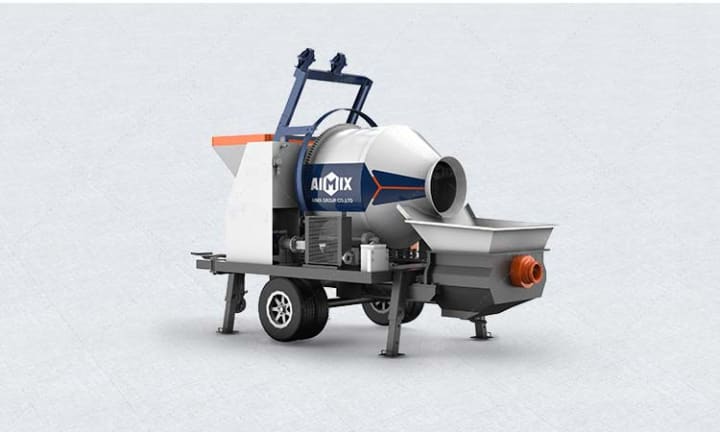
Furthermore, the automation of cement mixer pumps ensures a more uniform mix, which is critical for structural integrity. The precision with which these pumps dispense concrete minimizes variability, thereby enhancing the overall quality of the work. This is particularly vital in projects where strength and durability are paramount, such as in high-rise buildings or infrastructure developments.
Cost Implications
When evaluating cost implications, the initial investment in a cement mixer pump can be substantial. However, one must also consider the long-term savings associated with reduced labor and increased productivity. The ability to mix and transport concrete simultaneously allows projects to adhere to tighter schedules, which can significantly decrease overhead costs. Additionally, the reduced need for extensive labor can mitigate expenses related to hiring and training workers.
On the other hand, traditional mixing methods generally require lower upfront costs, particularly for small-scale projects. The simplicity of equipment and the commonality of manual labor can make this approach appealing for budget-conscious contractors. Nonetheless, the hidden costs associated with inefficiencies can accumulate. Delays due to labor-intensive processes and the potential need for rework owing to mixing errors can ultimately inflate project expenditures.

Moreover, it is essential to consider the implications of scale. In large projects, the cost-effectiveness of concrete pump with mixer for sale becomes increasingly pronounced, as the efficiencies gained can lead to substantial savings over time. For smaller endeavors, however, traditional methods may suffice, especially when budgets are constrained, and the scale of work does not necessitate advanced machinery.
Suitability for Different Construction Scenarios
The suitability of cement mixer pumps versus traditional mixing methods greatly depends on the specific requirements of a project. Cement mixer pumps excel in scenarios where mobility and high output are essential. For instance, urban construction sites with limited accessibility benefit from the compact design of these pumps, allowing for efficient operation in cramped conditions. Their versatility enables them to cater to various applications, from residential foundations to complex infrastructure projects.
Conversely, traditional methods may still find relevance in smaller, localized projects such as home renovations or minor repairs. The intimate control afforded by manual mixing allows for meticulous attention to detail, which can be advantageous in artistic or decorative applications where customization is key. Additionally, in remote locations where access to heavy machinery is limited, traditional methods remain a viable option.
In conclusion, the choice between cement mixer pumps and traditional mixing methods hinges on a myriad of factors, including project scale, budget, and specific operational needs. Each method has its merits and drawbacks, making it imperative for construction professionals to assess their unique circumstances thoroughly. By understanding the nuances of both approaches, stakeholders can make informed decisions that align with their project objectives, ensuring successful outcomes in an ever-evolving construction landscape.
About the Creator
AIMIX
Construction Machine Manufacturer in China. Find Machines here: https://aimixconcretesolution.com/


Comments