
Celebrating Eid-ul-Adha
Embracing the Spirit of Sacrifice
Introduction
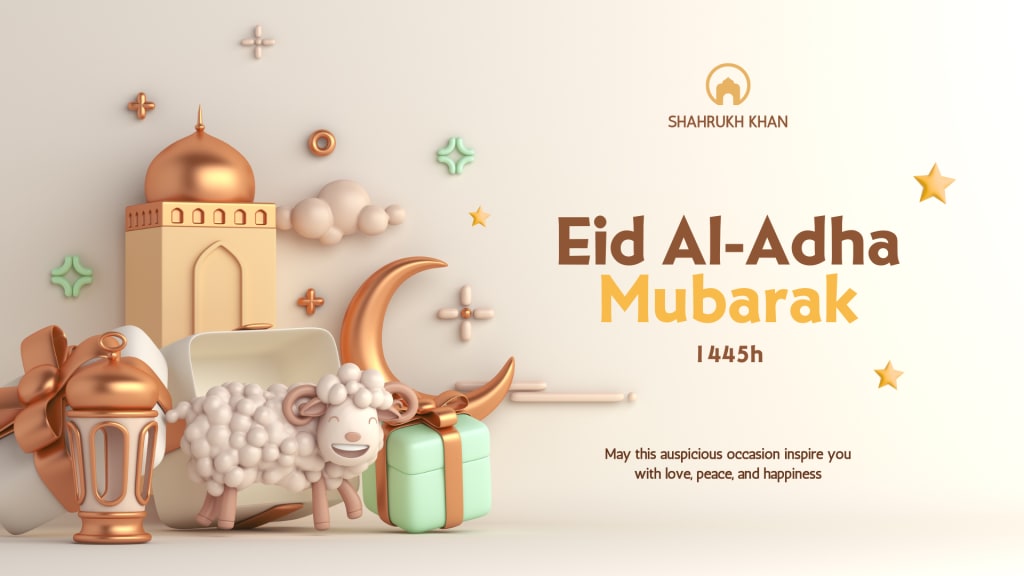
Eid-ul-Adha, also known as the Festival of Sacrifice, is one of the most significant and joyous celebrations in the Islamic calendar. It commemorates the profound act of faith and obedience demonstrated by Prophet Ibrahim (Abraham) and his willingness to sacrifice his beloved son, Ismail (Ishmael), for the sake of Allah. This remarkable story of sacrifice and devotion serves as the cornerstone of Eid-ul-Adha, inspiring Muslims around the world to reflect on the values of faith, obedience, and selflessness. In this blog, we delve into the rich traditions and meaningful practices associated with Eid-ul-Adha, highlighting its importance and significance for Muslims globally.
The Story of Prophet Ibrahim and the Divine Test
The story of Prophet Ibrahim is central to the observance of Eid-ul-Adha. According to Islamic tradition, Ibrahim received a divine command in a dream, instructing him to sacrifice his son as an act of obedience to Allah. Despite the immense love Ibrahim had for his son, he did not hesitate to fulfill this command, displaying unwavering faith and submission to the will of God.
As Ibrahim prepared to carry out the sacrifice, Allah intervened and replaced Ismail with a ram at the last moment, signifying that his devotion had been proven and accepted. This pivotal event serves as a powerful lesson for believers, emphasizing the importance of obedience, trust, and the willingness to make sacrifices for the sake of Allah.
Preparations and Observances
Eid-ul-Adha falls on the 10th day of the Islamic month of Dhul-Hijjah, following the completion of the Hajj pilgrimage in Mecca. The festival begins with the sighting of the new moon, marking the start of the Islamic month. In the days leading up to Eid-ul-Adha, Muslims engage in various preparations and observances to commemorate the occasion.
Spiritual Reflection and Repentance: Muslims spend the preceding days in deep reflection, seeking forgiveness from Allah and engaging in acts of repentance. It is a time for self-assessment, seeking spiritual purification, and striving to rectify one's character and deeds.
Sacrificial Animal Selection: One of the significant practices associated with Eid-ul-Adha is the selection of an animal for sacrifice. In accordance with the example set by Prophet Ibrahim, Muslims often choose a healthy animal, such as a sheep, goat, cow, or camel, which is then sacrificed to honor Allah and share the meat with the less fortunate.
Ritual Prayer: On the morning of Eid-ul-Adha, Muslims gather in mosques or designated prayer grounds to perform a special congregational prayer known as the Eid prayer. This prayer is conducted in unison, symbolizing unity, and gratitude for Allah's blessings.
Distribution of Sacrificial Meat: After the completion of the Eid prayer, the sacrificed animal is slaughtered, and its meat is divided into three equal parts. One portion is kept for the family, one is shared with relatives and friends, and the remaining portion is given to the poor and needy. This act of sharing and generosity embodies the spirit of sacrifice and compassion.
Celebrations and Festivities
Eid-ul-Adha is a time of joyous celebration, marked by a sense of community, gratitude, and togetherness. Following the morning prayer and distribution of sacrificial meat, families gather to enjoy a festive meal together, strengthening familial bonds and fostering a spirit of unity.
Festive Attire: Muslims traditionally dress in their finest attire on Eid-ul-Adha, with men wearing traditional garments like the thobe or sherwani, while women adorn themselves in colorful and embellished clothing such as sarees, abayas, or shalwar kameez. The festive attire adds to the joyous atmosphere of the occasion.
Exchange of Gifts: Gift-giving is an integral part of Eid-ul-Adha celebrations. Families and friends exchange presents, expressing love and appreciation for one another. It is also common for children to receive gifts, sweets, or money, known as "Eidi," from elders, adding to the excitement and happiness of the day.
Visiting Loved Ones: Eid-ul-Adha is a time for socializing and strengthening bonds. Families visit one another, sharing meals, laughter, and heartfelt conversations. It is an opportunity to reconnect with distant relatives and friends, fostering a sense of belonging and community.
Acts of Charity: In addition to distributing sacrificial meat to the less fortunate, Muslims are encouraged to engage in acts of charity and benevolence during Eid-ul-Adha. It is a time to extend kindness and support to those in need, reflecting the compassionate teachings of Islam.
Conclusion
Eid-ul-Adha stands as a testament to the values of faith, obedience, and sacrifice. Through the commemoration of Prophet Ibrahim's unwavering devotion to Allah, Muslims around the world embrace the spirit of sacrifice and strive to live a life of obedience and selflessness. This joyous festival serves as a reminder of the importance of reflecting upon one's faith, expressing gratitude, and extending a helping hand to those in need. As Muslims come together to celebrate Eid-ul-Adha, they strengthen their bonds of love and unity, reinforcing the essence of Islamic teachings and the values that lie at its core.
About the Creator
Keep reading
More stories from Shahrukh Khann and writers in Journal and other communities.
Unleashing the Power of Artificial Intelligence
Once upon a time, in a not-so-distant future, the world was abuzz with the rapid advancements of artificial intelligence (AI). The possibilities seemed endless as scientists and engineers tirelessly worked to unlock the true potential of intelligent machines.
By Shahrukh Khann3 years ago in 01
Author’s Advice
If you would’ve asked me 20 years ago did I know I’d become a writer and an author, I would’ve said “nope, ain’t happening”. As fate would have it I did become an author and I can honestly say I’m loving it so far. It really does feel good to be a writer. I’ve learned a lot on this journey and I feel like with even me being as new to this world as I am, there’s some wisdom I need to share with every other aspiring author.
By Joe Patterson2 days ago in Journal




Comments
There are no comments for this story
Be the first to respond and start the conversation.