
Celebrate International Owl Day on August 4th
- Silent guardian of the night: Mysterious owl

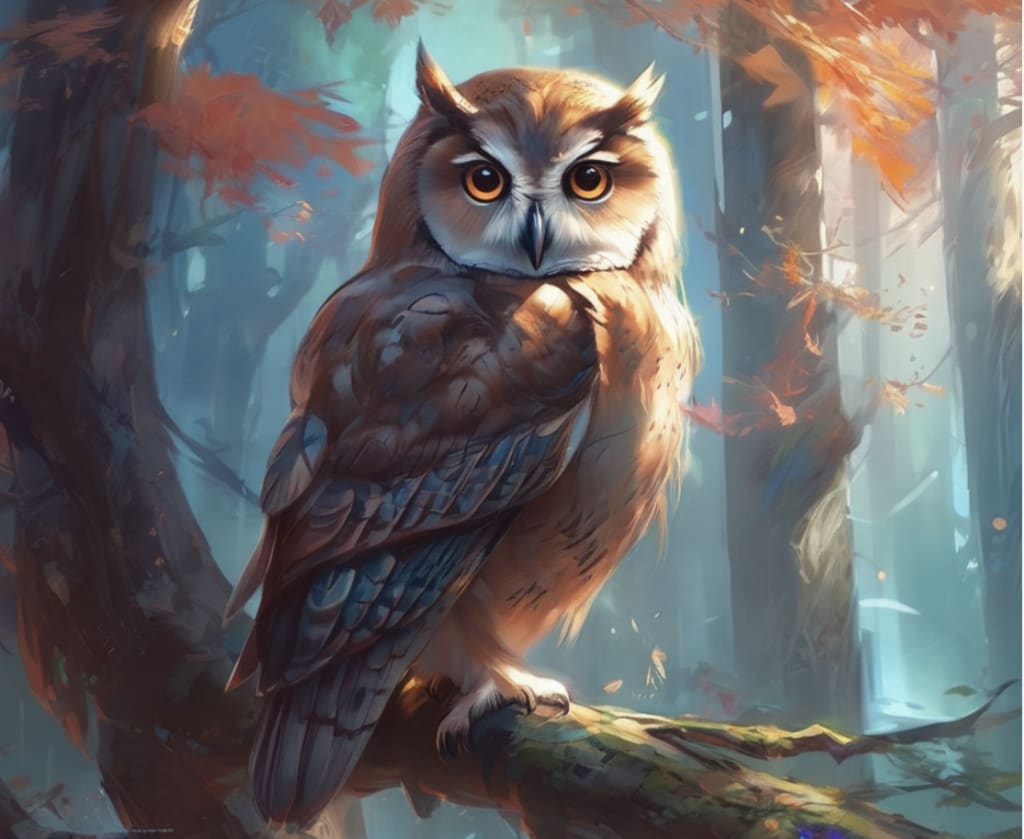
As the sun sets on August 4th, a different kind of awareness rises. International Owl Awareness Day swoops in, inviting us to turn our attention to these fascinating nocturnal birds. From their silent flight to their piercing gaze, owls have long captured human imagination, starring in myths, legends, and popular culture as symbols of wisdom and mystery.
Owls belong to the order Strigiformes, comprising over 200 species spread across every continent except Antarctica. These birds of prey come in a wide range of sizes, from the tiny Elf Owl, weighing just 31 grams, to the imposing Eurasian Eagle-Owl, which can have a wingspan of up to 1.9 meters.
What makes owls so special? For starters, their exceptional hunting abilities. Most owls are nocturnal, with highly developed senses that allow them to thrive in low-light conditions. Their large, forward-facing eyes provide excellent depth perception and low-light vision. Unlike most birds, owls can turn their heads up to 270 degrees, compensating for their inability to move their eyes within their sockets.
Perhaps most remarkable is the owl's silent flight. Their feathers have special adaptations that muffle the sound of air passing over their wings, allowing them to swoop down on prey undetected. This, combined with their sharp talons and hooked beaks, makes them formidable predators.
Owls play a crucial role in maintaining ecological balance. As predators, they help control populations of small mammals, insects, and other birds. In turn, they serve as prey for larger predators and indicators of ecosystem health. The presence or absence of owls can tell us a lot about the state of an environment.
Despite their importance, many owl species face significant threats. Habitat loss due to deforestation and urban expansion is a primary concern. Climate change alters ecosystems, affecting owl prey availability and nesting sites. Pesticides and rodenticides used in agriculture can accumulate in owls' bodies, causing health issues or death. Collisions with vehicles and structures also pose risks to these birds.
International Owl Awareness Day serves as a reminder of the need for owl conservation. Efforts around the world aim to protect owl habitats, rehabilitate injured birds, and educate the public about these amazing creatures. In the United States, for example, the Owl Research Institute conducts long-term studies on owl populations and works to conserve their habitats. In the UK, the Barn Owl Trust focuses on protecting one of Britain's most beloved owl species.
Individuals can contribute to owl conservation in several ways. Supporting wildlife organizations, participating in citizen science projects to monitor owl populations, and making owl-friendly choices in our daily lives can all make a difference. Simple actions like reducing pesticide use, leaving dead trees standing as potential nesting sites, and driving carefully at night can help protect owls.
Education is another crucial aspect of owl conservation. Many misconceptions about owls persist, such as the belief that they're omens of bad luck or that they can turn their heads all the way around. By learning and sharing accurate information about owls, we can foster appreciation and support for these birds.
Owls have long held a special place in human culture. In ancient Greek mythology, the owl was associated with Athena, the goddess of wisdom. Many Native American tribes view owls as sacred animals with spiritual significance. In modern pop culture, from Hedwig in the Harry Potter series to the wise old owl in Winnie the Pooh, these birds continue to captivate our imagination.
As we celebrate International Owl Awareness Day, let's take a moment to appreciate these remarkable birds. Whether it's the distinctive hoot of a Great Horned Owl, the heart-shaped face of a Barn Owl, or the piercing yellow eyes of a Snowy Owl, each species has its own unique charm and importance.
By raising awareness about owls, we not only help protect these fascinating creatures but also preserve the delicate balance of our ecosystems. So on this August 4th, and every day, let's give a hoot for owls. Whether you're an avid birder or simply someone who appreciates nature, there's always something new to learn about these wise old birds of the night.
~
~
Postscript:
Owls continue to be subjects of scientific study, with researchers uncovering new insights into their behavior, ecology, and evolution. Recent studies have revealed surprising facts about owl communication, migration patterns, and adaptations to changing environments. As we face global challenges like climate change and biodiversity loss, the story of owls serves as a poignant reminder of the interconnectedness of all life on Earth. By protecting owls and their habitats, we're not just saving individual species – we're preserving entire ecosystems and the countless other creatures that depend on them. So let this day be not just a celebration, but a call to action for continued research, conservation, and appreciation of these remarkable birds.
About the Creator
Dawnxisoul393art
Dawnxisoul393art, an illustrator and designer couple living on a remote island in Hong Kong. Listen to the sea's vows and look at the persistent blue sky. Waves and white sails, blue sky and white clouds. The landscape and canvas ahead.
Keep reading
More stories from Dawnxisoul393art and writers in Journal and other communities.
International Blues Day, August 3 2024
Music has a unique ability to capture the essence of human emotions and experiences. Among the myriad genres that have emerged over the years, the blues stands out as a timeless and soul-stirring form of musical expression. International Blues Day, observed on August 3rd each year, pays homage to this genre's rich history, cultural significance, and enduring influence on the global music landscape.
By Dawnxisoul393art2 years ago in Journal
Lower Expense, Higher Revenue
Another way to assist your income versus expenses ratio is to protect the cash that you have. This means a multitude of things. Do your research. Don’t get involved with businesses that aren’t legitimate. If you have a question regarding a business, try checking the Better Business Bureau to see what they say about that business. Also, do your best to avoid scams. They say if something sounds too good to be true, it probably is.
By Nicole Higginbotham-Hogue7 days ago in Journal
Magic
Note from the Author: I want to let you know that this is an unusual story, and it has been written purely from whatever is in my unconscious mind, because before I start writing, I get into a flow state that reaches my unconsciousness. I also write in my subconscious mind, which is like a mid-flow state between the conscious and unconscious mind.
By Denise Larkin6 days ago in Fiction


Comments (6)
emphasizes the cultural significance of these birds throughout history...
Thanks for adding another wonderful day to my day list. Well said dear.
Nice article
Amazing, hope you love birds
This a great article, and very informative. Wes
nice content very beautiful