
Can Outdoor Rugs Be Left Outside?
Patios, decks, and balconies are great outside areas to improve both appearance and use with outdoor rugs.
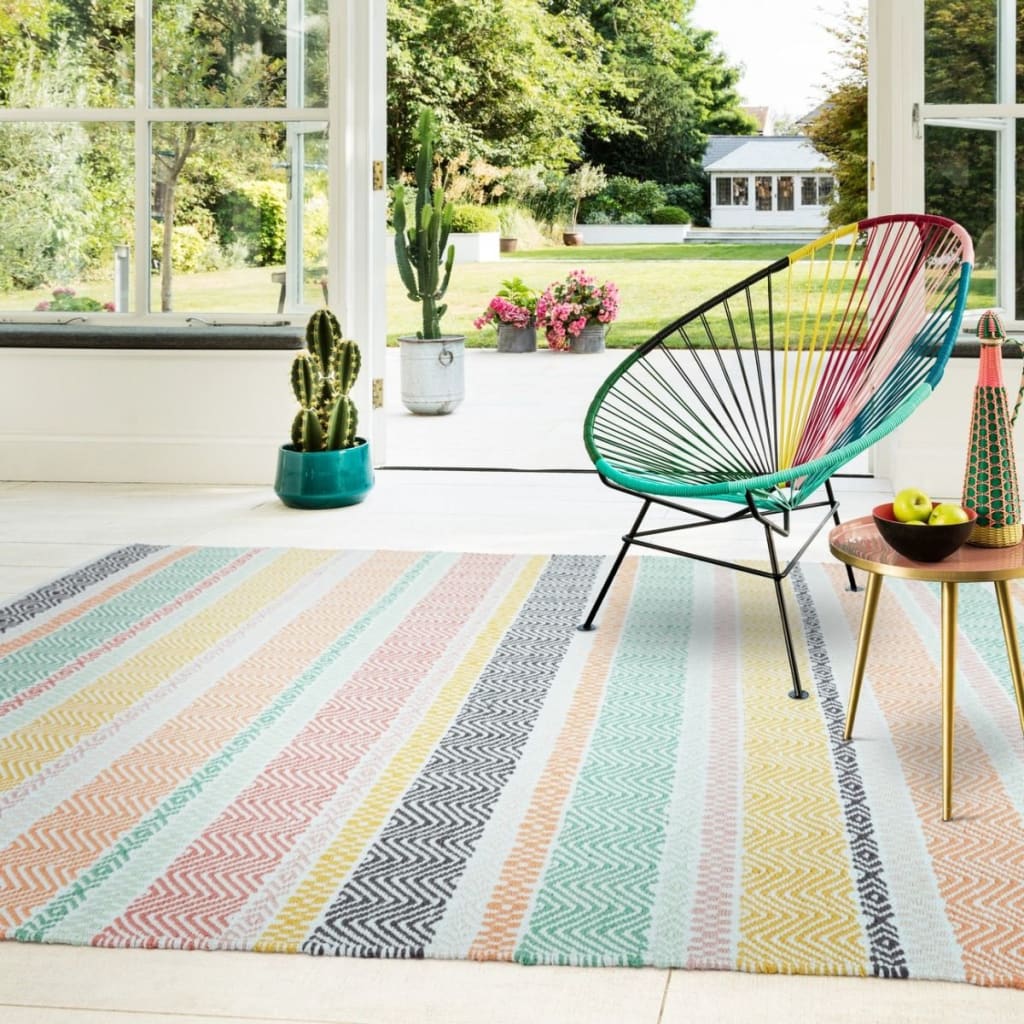
Patios, decks, and balconies are great outside areas to improve both appearance and use with outdoor rugs. Your outdoor space will feel like an extension of your house due to the addition of coziness, design, and comfort. A frequent question, though, is whether outdoor rugs may be left outside. Your maintenance efforts, the local climate, and the rug's substance will all have a significant impact on the response. To help you get the most out of your outdoor rug investment, this blog explores how long outdoor rugs last, provides expert advice on how to maintain them, and addresses common queries.
Can You Leave Outdoor Rugs Outside All Year Long?
The quick answer is that since outdoor carpets are designed to be left outside, you can. They are resistant to rain, wind, and even snow. If you'll be spending less time outside as the seasons change, you can decide to bring your rug and outdoor furniture inside. This might make your outdoor carpeting last longer, but it's not necessary.
-Outdoor Rugs Are Designed to Survive the Cold Weather:
The winter weather you encounter varies depending on where you reside. Everywhere, winter brings with it one thing: dampness. In any case, an outdoor rug must be able to withstand these conditions in order to survive winter.
For this reason, polypropylene and polysilk are frequently used to make outdoor rugs. These materials are synthetic and specifically designed to withstand water. For these kinds of rugs, snow won't loosen the fibres, and moisture won't erode the binding.
-They Don't Freeze Up:
Fibres are not all created equal. There are many weather conditions in the winter that might damage outdoor furnishings and décor. Certain rug fibres may tear and deteriorate as a result of frequent freezing, thawing, and snowfall. The kind of materials used to make outdoor rugs won't. This is due to the fact that they are made from both natural and synthetic fibres that are appropriate for winter weather variations.
-They are Mould and mildew-resistant:
When exposed to outside conditions, fibres that retain and absorb moisture are much more likely to grow mould and mildew. For instance, wool is too sensitive to dampness to be used outdoors, despite being a lovely and soft fibre for interior carpets. The materials used to make outdoor rugs are specifically designed to not retain moisture in this manner. This preserves the rug's durability. A rug's colours will stay opaque and its fibres will remain strong if it can readily wick moisture and keep dry.
Is it okay to leave outdoor rugs outside in the rain?
Even if we'd like to think it doesn't, there is a chance of heavy rain at any time of year. Fortunately, your outdoor carpeting can survive both summer and winter downpours.
While they are weather-resistant, outdoor carpets are not waterproof. This means that, unlike indoor rugs, they absorb water and dry more faster, and the moisture has no effect on their appearance, texture, or quality.
Pro-Tips:
-Use a rug pad made for outdoor use or set your outdoor rug on a breathable surface. By encouraging airflow, the rug and the area underneath will dry more quickly.
-Set your rug in a sheltered spot to extend its life, or rotate it periodically to guarantee even fading.
-To prolong its life and prevent damage, roll up your outdoor rug and store it in a dry location during the winter.
Why It's Best to Store Your Outdoor Rug:
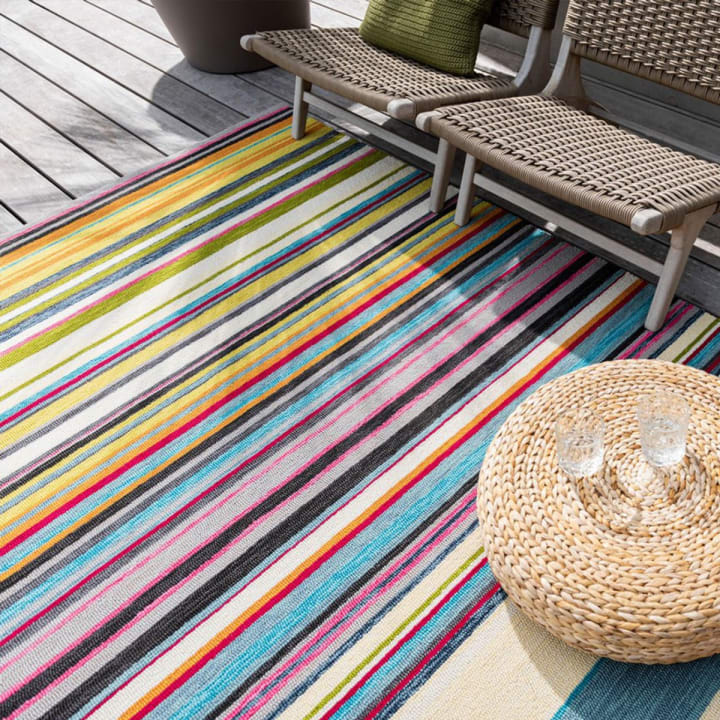
1. Avoiding Damage from Freezing Conditions:
Rug fibres are susceptible to severe damage from freezing conditions, which can cause fraying and degradation. You may prolong the life of your rug and avoid this damage by storing it during the colder months. Bringing the rug inside is a precautionary measure because extended exposure to extremely cold temperatures can damage even materials intended for outdoor usage.
2. Restricting the Development of Mildew and Mould:
An outdoor rug may become more vulnerable to mould and mildew during the harsh winter months if it is left outside in the shade and becomes wet. Can outdoor rugs, however, withstand mould and mildew? Despite their general resistance to these factors, growth may nonetheless result from ongoing exposure. Rug storage keeps the rug secure, clean, and helps prevent these problems. This is especially crucial in regions with high humidity or a lot of precipitation.
Advice for Taking Care of Outdoor Rugs:
Frequent Cleaning:
Every week, shake off dirt and debris. Use mild soap for stubborn stains and occasionally hose the rug down with water to get rid of deeper dirt.
Dry entirely:
To stop the growth of mould and mildew, always let your rug air dry entirely before putting it back on the floor.
Examine and Rotate:
To ensure even use, rotate the rug from time to time and look for wear and tear, especially in high-traffic areas.
Things Your Outdoor Rug Could Get Damaged By:
Your outdoor rug will probably mildew and produce unhygienic circumstances that could lead to the growth of mould if it gets wet. Mildew might potentially destroy your outdoor rug, necessitating a replacement.
FAQs:
1. Will sun damage cause outdoor rugs to fade?
Frequent exposure to strong sunshine can eventually cause some fading, even though many outdoor carpets are treated with UV protection to prevent fading. To lessen this, move the rug around or put it in a shaded spot.
2. Are outdoor carpets resistant to freezing weather and snow?
Freezing conditions may cause brittleness or damage to outdoor carpets, even though some can withstand light snowfall. It's best to roll up and store the rug in cooler locations throughout the winter.
3. When using an outdoor rug, should I use a rug pad?
Indeed, a breathable rug pad reduces moisture buildup that might result in mould or mildew by keeping the rug from slipping and encouraging circulation.
4. When left outside, how long do outdoor rugs last?
High-quality outdoor rugs can endure for three to five years or longer with the right upkeep. Their longevity can be considerably increased with routine cleaning, drying, and weatherproofing.




Comments
There are no comments for this story
Be the first to respond and start the conversation.