
Can Dental Crowns Help with Tooth Sensitivity?
Paul J. Hubley DMD & Associates

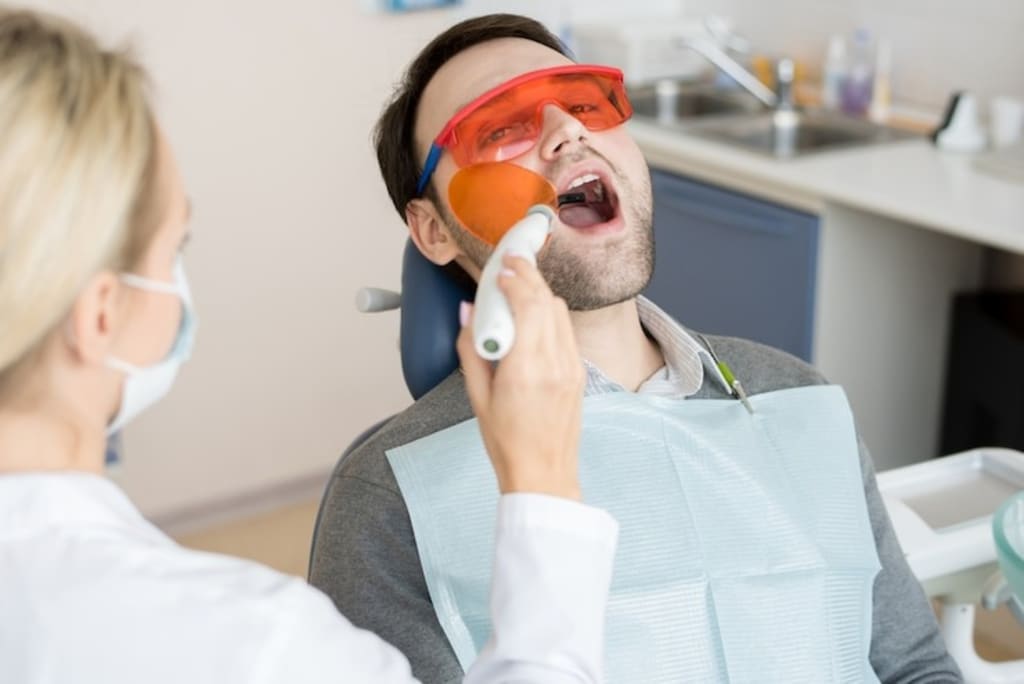
Tooth sensitivity is a common dental issue that affects millions of people worldwide. It can manifest as sharp, sudden pain when consuming hot, cold, sweet foods and drinks or even brushing your teeth. While there are various causes of tooth sensitivity, many patients ask whether dental crowns Framingham can help alleviate this discomfort.
Here are reasons dental crowns may help with tooth sensitivity.
What Is Tooth Sensitivity?
Tooth sensitivity occurs when the protective layer of enamel on your teeth wears down, exposing the underlying dentin layer. Dentin contains tiny tubules that lead to the nerve endings in the tooth, and when these tubules are exposed to external stimuli such as temperature or pressure, they can trigger pain or discomfort. The causes of tooth sensitivity can vary, but they often include:
- Enamel erosion due to poor oral hygiene, acidic foods, or grinding teeth.
- Gum recession, which exposes the roots of the teeth.
- Cracked or damaged teeth that expose the nerve.
- Tooth decay or cavities that create openings in the tooth.
While some people experience mild sensitivity, others may find it significantly bothersome, affecting their ability to eat, drink, or even brush comfortably.
How Can Dental Crowns Help with Tooth Sensitivity?
Dental crowns often address tooth decay, cracks, or worn-down teeth. A crown is a custom-made cap that fits over a damaged or weakened tooth, restoring its shape, size, and strength. Crowns are typically made from materials like porcelain, ceramic, or metal, and they can provide a durable and aesthetically pleasing solution for various dental concerns, including sensitivity.
Here’s how dental crowns can help with tooth sensitivity:
Protection from External Stimuli: If the sensitivity is caused by exposed dentin or the nerve, a crown can cover and protect the affected tooth. The crown prevents hot, cold, or sweet foods and drinks from triggering discomfort by sealing off the exposed area. This can provide significant relief for individuals suffering from tooth sensitivity.
Reinforcement for Weakened Teeth: If decay, cracks, or wear have weakened a tooth, it may be more susceptible to sensitivity. A crown can strengthen the tooth, reducing the likelihood of further damage or discomfort. Additionally, it can help stabilize the tooth, preventing it from breaking or deteriorating further.
Restoration of Tooth Structure: In cases where enamel erosion has left a tooth thin or compromised, a crown can restore the tooth’s structure. This helps to preserve the tooth's integrity while providing a smooth surface that reduces the chances of sensitivity from pressure or temperature changes.
Addressing Root Exposure: If gum recession has caused the tooth’s roots to become exposed, dental crowns can be used to cover and protect the root area. Since the roots of the teeth are highly sensitive, covering them with a crown can eliminate discomfort and prevent further issues.
When Should You Consider a Dental Crown?
Dental crowns are typically recommended for individuals who have significant tooth decay, cracks, or other issues that cannot be repaired with fillings alone. If you’re experiencing tooth sensitivity caused by one of these factors, your Framingham Dentist may recommend a crown to restore your tooth’s function and alleviate discomfort.
However, dental crowns are not a one-size-fits-all solution. If your sensitivity is mild and can be addressed with less invasive treatments like fluoride or desensitizing toothpaste, crowns may not be necessary.
Conclusion
Dental crowns can be effective for individuals experiencing tooth sensitivity caused by structural damage or enamel erosion. By providing a protective barrier and restoring the tooth’s strength, crowns can help reduce discomfort and improve your overall oral health. If you are struggling with tooth sensitivity, it’s essential to consult with your dentist to determine the underlying cause and explore the best treatment options available, including dental crowns. With the right treatment plan, you can enjoy a pain-free smile and a restored sense of comfort in your daily life.
About the Creator
Mandeep Singh
A Technical Content Strategist at Fix My Home Guide.
Keep reading
More stories from Mandeep Singh and writers in Journal and other communities.
Top Reasons Why a CNC Plasma Cutting Table is the Ideal Choice
Precision and efficiency are key to manufacturing and fabrication in today's world. Old methods like manual plasma, oxy-fuel, or mechanical cutting can be time-consuming and error-prone. However, with advanced technology, plasma cutters CNC have revolutionized different sectors, such as metalworking and aerospace. These machines are accurate, fast, and easy to use, thus the best in most cutting applications. Here are some of the main reasons why a CNC plasma cutting table is an investment to be made.
By Mandeep Singhabout a year ago in Journal
Why Ethical SEO Practices Are Essential for Long-Term Drug Rehab Marketing Success
Understanding Ethical SEO in the Context of Drug Rehab Marketing Ethical SEO, in the realm of drug rehab marketing, is the deliberate application of strategies that prioritize transparency, integrity, and compliance with search engine guidelines. Unlike manipulative tactics, ethical SEO seeks to enhance visibility without compromising credibility. For drug rehabilitation centers, where trust and reliability are paramount, employing ethical SEO ensures that prospective clients encounter accurate, supportive information rather than misleading promises. This approach fosters both immediate engagement and sustained growth, establishing a reputation grounded in authenticity. The use of ethically optimized meta descriptions, accurate schema markup, and precise keyword integration exemplifies how a methodical, principled approach can elevate search engine performance without courting risk.
By Fida Hassain2 days ago in Journal




Comments
There are no comments for this story
Be the first to respond and start the conversation.