
Can Acupuncture Help Restore Hormonal Harmony?
Can Acupuncture Help Restore Hormonal Harmony?

Introduction
Hormonal imbalances affect millions of people worldwide, leading to a range of physical and emotional health issues, from irregular menstrual cycles and fertility challenges to mood disorders and fatigue. While modern medicine offers various treatments, many are turning to acupuncture, an ancient practice, for a natural and holistic approach to hormonal health. But can acupuncture help restore hormonal harmony? This article explores the science, benefits, and practical aspects of using acupuncture to support hormonal balance.
Understanding Hormonal Imbalances
Hormones are the body's chemical messengers, playing a crucial role in regulating various functions, including metabolism, mood, reproduction, and sleep. Imbalances can occur due to factors such as stress, poor diet, ageing, or underlying health conditions, disrupting the body’s delicate equilibrium and leading to health challenges.
How Acupuncture Works
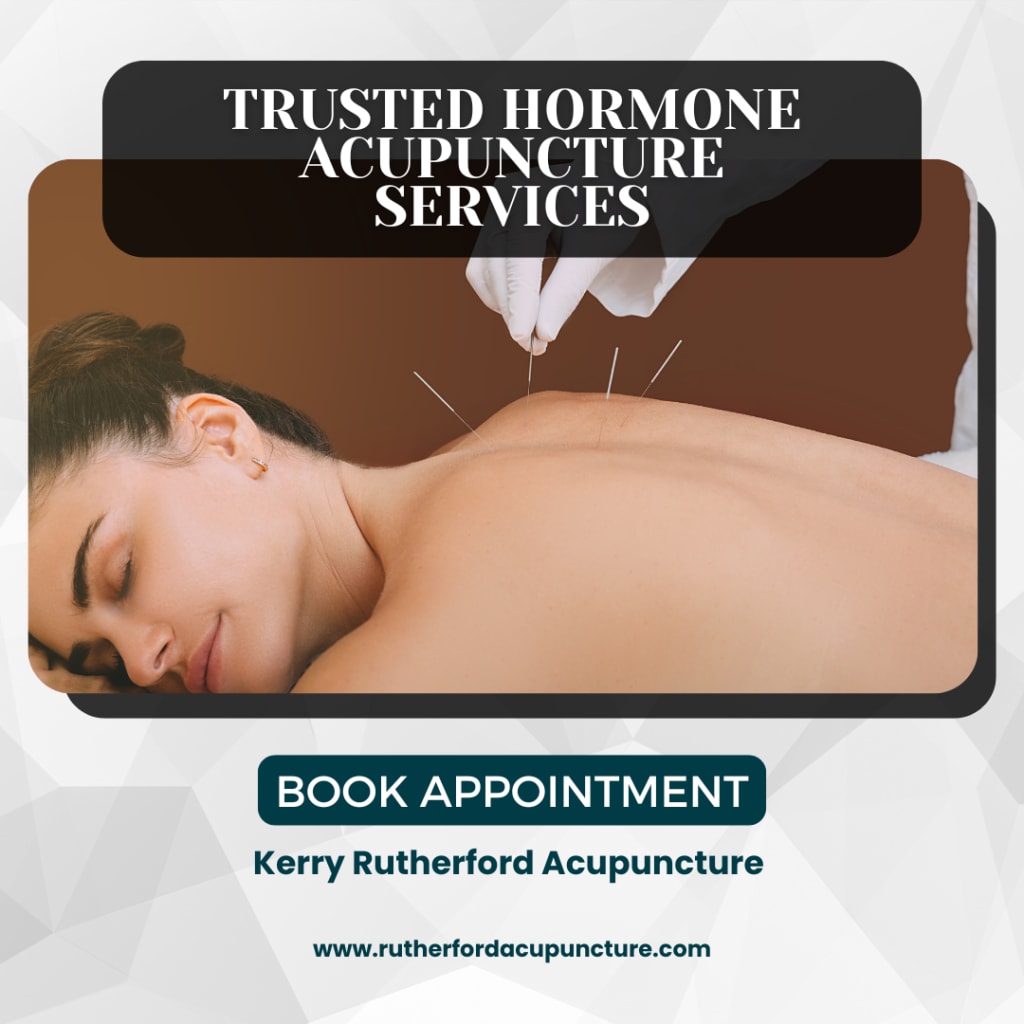
Acupuncture involves the insertion of fine needles into specific points on the body to stimulate energy flow, known as qi (pronounced “chi”), and promote balance. Rooted in traditional Chinese medicine (TCM), acupuncture is believed to restore harmony within the body by addressing imbalances in energy pathways, or meridians.
Modern research suggests that acupuncture influences the nervous system, endocrine system, and blood circulation, which can directly impact hormonal health.
The Relationship Between Acupuncture and Hormones
Acupuncture has shown promise in addressing several hormone-related issues. Here's how it supports hormonal harmony:
1. Stress Reduction and Cortisol Regulation
Stress is one of the leading causes of hormonal imbalances, often resulting in elevated cortisol levels. Acupuncture helps activate the parasympathetic nervous system, promoting relaxation and reducing stress hormones. This calming effect can pave the way for improved overall hormonal balance.
2. Regulating the Menstrual Cycle
For women experiencing irregular periods, painful menstruation, or conditions like polycystic ovary syndrome (PCOS), acupuncture can support reproductive health. It stimulates blood flow to the ovaries and uterus, regulates ovulation, and improves the balance of reproductive hormones such as oestrogen and progesterone.
3. Supporting Fertility and IVF
Acupuncture is widely recognised for its benefits in enhancing fertility. It improves the success rates of in vitro fertilisation (IVF) by reducing stress, increasing blood flow to reproductive organs, and balancing hormones involved in conception.
4. Alleviating Menopause Symptoms
During menopause, hormonal shifts can cause hot flushes, night sweats, and mood swings. Acupuncture can help ease these symptoms by regulating hormone production and promoting overall well-being.
5. Thyroid Health
Thyroid disorders, such as hypothyroidism or hyperthyroidism, can lead to significant hormonal disruptions. Acupuncture supports thyroid function by reducing inflammation, improving circulation, and addressing related symptoms like fatigue and anxiety.
Benefits of Acupuncture for Hormonal Health
Acupuncture offers numerous benefits for those struggling with hormonal imbalances:
Non-invasive and drug-free: Acupuncture provides a natural alternative to medications with potential side effects.
Personalised treatments: Sessions are tailored to the individual's specific needs and health conditions.
Holistic approach: Acupuncture addresses the root cause of hormonal imbalances, not just the symptoms.
Improved emotional well-being: By reducing stress and anxiety, acupuncture promotes mental clarity and mood stability.
What to Expect During Acupuncture Treatment
If you’re considering acupuncture for hormonal health, here’s what you can expect:
1. Consultation and Diagnosis
Your acupuncturist will conduct a thorough assessment of your symptoms, lifestyle, and medical history. They may check your pulse, examine your tongue, and ask about your energy levels and emotional health.
2. Treatment Plan
A personalised plan will be created, targeting specific acupuncture points related to hormonal balance. The number of sessions will depend on the severity of your condition and your body’s response to treatment.
3. The Acupuncture Session
During the session, fine needles are inserted into specific points on your body. Most people find the process relaxing and painless. Sessions typically last 30-60 minutes.
4. Follow-Up and Maintenance
Hormonal balance is not achieved overnight. Regular sessions, combined with lifestyle changes such as a healthy diet and stress management, are often recommended for optimal results.
Scientific Evidence Supporting Acupuncture for Hormonal Balance
Several studies have explored the effects of acupuncture on hormonal health:
- A 2017 study published in Human Reproduction Update found that acupuncture improved ovarian function and reduced stress in women undergoing fertility treatments.
- Research in the Journal of Clinical Endocrinology & Metabolism showed that acupuncture positively influenced cortisol levels, supporting stress-related hormone regulation.
- Studies on menopause have demonstrated that acupuncture can significantly reduce the frequency and severity of hot flushes.
- While more research is needed, the existing evidence highlights the potential of acupuncture as a complementary therapy for hormonal health.
Lifestyle Tips for Supporting Hormonal Harmony
Acupuncture works best when combined with healthy lifestyle practices. Here are some tips to enhance its effectiveness:
Eat a balanced diet: Focus on nutrient-rich foods, including leafy greens, whole grains, healthy fats, and lean protein. Avoid processed foods and sugar.
Manage stress: Incorporate relaxation techniques such as yoga, meditation, or deep breathing exercises.
Prioritise sleep: Aim for 7-9 hours of quality sleep each night to support hormone regulation.
Stay active: Engage in regular physical activity, such as walking, swimming, or cycling, to improve circulation and reduce stress.
Avoid endocrine disruptors: Limit exposure to chemicals in plastics, cosmetics, and cleaning products that can interfere with hormonal balance.
FAQs About Acupuncture and Hormones
1. How does acupuncture balance hormones?
Acupuncture stimulates specific points on the body to regulate the nervous and endocrine systems, promoting hormonal balance by improving blood flow and reducing stress.
2. Can acupuncture help with PMS symptoms?
Yes, acupuncture is effective in alleviating PMS symptoms such as cramps, mood swings, and bloating by promoting blood circulation and balancing reproductive hormones.
3. Is acupuncture safe for hormonal issues?
When performed by a licensed and experienced practitioner, acupuncture is a safe and natural treatment for hormonal imbalances.
4. How many sessions are needed to see results?
The number of sessions required varies depending on the individual's condition and response to treatment. Some people notice improvements after a few sessions, while others may need ongoing therapy.
5. Can acupuncture help men with hormonal imbalances?
Absolutely. Acupuncture can support hormonal health in men by addressing issues such as low testosterone, stress, and metabolic imbalances.
6. Are there any side effects of acupuncture?
Side effects are rare but may include mild bruising or soreness at the needle site. Most people find acupuncture relaxing and free of complications.
Conclusion
Acupuncture offers a holistic and natural approach to restoring hormonal harmony, addressing the root causes of imbalances while promoting overall well-being. Whether you’re dealing with stress, fertility challenges, or menopause symptoms, acupuncture can help you find relief and achieve balance. By combining this ancient practice with a healthy lifestyle, you can take meaningful steps toward optimal hormonal health.
About the Creator
Kerry Rutherford Acupuncture
Kerry Rutherford - Your trusted source for acupuncture for fertility and IVF in Hertfordshire. Discover expert care and support for your reproductive health journey.
Keep reading
More stories from Kerry Rutherford Acupuncture and writers in Journal and other communities.
Acupuncture for Migraine: A Natural Approach to Pain Relief
Migraines are a common and often debilitating condition that affects millions of people worldwide. Characterised by intense, throbbing pain, often on one side of the head, migraines can be accompanied by nausea, vomiting, and heightened sensitivity to light and sound. While the exact cause of migraines is not fully understood, they are believed to be the result of abnormal brain activity that affects nerve signals, blood flow, and the balance of chemicals in the brain.
By Kerry Rutherford Acupunctureabout a year ago in Journal
Author’s Advice
If you would’ve asked me 20 years ago did I know I’d become a writer and an author, I would’ve said “nope, ain’t happening”. As fate would have it I did become an author and I can honestly say I’m loving it so far. It really does feel good to be a writer. I’ve learned a lot on this journey and I feel like with even me being as new to this world as I am, there’s some wisdom I need to share with every other aspiring author.
By Joe Patterson4 days ago in Journal
Understanding Construction and Renovation Costs for Rehab Center Startups
Introduction Launching a rehabilitation center requires more than compassionate intent and clinical expertise. It demands a meticulous understanding of construction and renovation costs, which often represent the largest portion of startup expenditures. Whether building a new facility or refurbishing an existing property, founders must carefully evaluate structural requirements, regulatory standards, and design elements that support therapeutic recovery. Financial foresight during this phase ensures operational sustainability and prevents costly miscalculations.
By Fida Hassain5 days ago in Journal




Comments
There are no comments for this story
Be the first to respond and start the conversation.