
Broker Germany – Understanding the Role of Brokers in the German Market
Brokers in the German Market

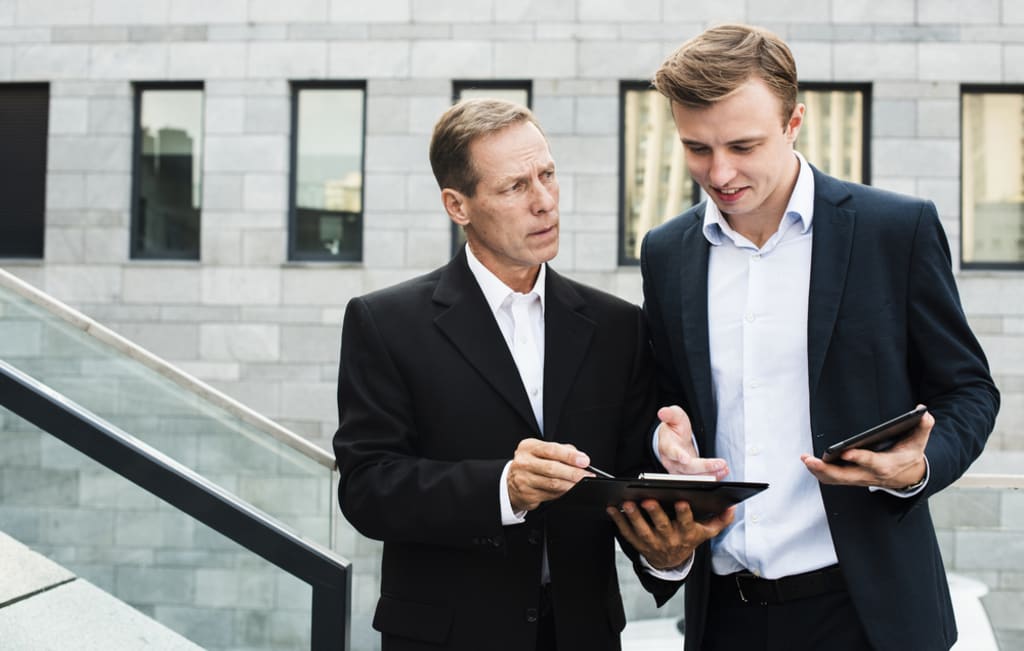
When people talk about investing in Germany, one word comes up again and again — broker. A broker in Germany is the bridge between you and the financial markets.
Whether you want to buy stocks, trade currencies, invest in ETFs, or explore derivatives, a broker is the platform that makes it all possible. The German market is known for being one of the most transparent and regulated in Europe, making it a safe environment for both beginners and professionals to invest.
In Germany, brokers play a central role in how individuals and businesses access financial markets. They provide digital trading platforms, research tools, and customer support in both English and German.
Many of them also offer commission-free trading or low-cost options, which attract investors from all over Europe. Understanding how brokers work and what to look for is key to making smart financial decisions in this market.
The Basics of Using a Broker in Germany
A broker allows you to trade financial instruments such as shares, bonds, ETFs, or cryptocurrencies. Most brokers in Germany operate online, meaning you can open an account, verify your identity, and start trading without visiting a physical office. The process is typically straightforward — you sign up, upload your ID, deposit money, and begin trading.
German brokers are regulated by BaFin (Bundesanstalt für Finanzdienstleistungsaufsicht), the financial supervisory authority in Germany. This means your investments are protected by strict rules about transparency, security, and client protection. Many brokers also offer investor compensation schemes, ensuring that client funds are safeguarded up to a certain limit if the company faces financial trouble.
Local vs. International Brokers
When choosing a broker in Germany, one of the first decisions you face is whether to use a local or international platform. Local brokers such as Trade Republic, Scalable Capital, or Comdirect are popular because they are designed for the German market and follow all national tax and regulatory requirements. They also integrate well with German tax systems, making it easier to file annual declarations.
On the other hand, international brokers such as eToro, Interactive Brokers, or DEGIRO attract users because of their global reach and wide range of products. These brokers often provide access to more international exchanges and sometimes lower fees. However, if you live in Germany, using a local broker can make things smoother — especially when it comes to automatic tax deductions or local support in German.
Costs and Fees
Germany is known for being a country that values fairness and structure, and this extends to brokerage fees. Most brokers now compete on price, offering low or even zero commissions on stock and ETF trades. Still, there are differences worth paying attention to.
Some brokers charge a small fixed fee per trade, while others take a percentage of the transaction. There may also be deposit or withdrawal fees, inactivity fees, or foreign exchange conversion costs when trading in other currencies. Reading the fine print before you start trading can save you from unpleasant surprises.
For example, a broker may advertise “free trading,” but in practice, you might pay a small spread — the difference between buying and selling prices — which covers the broker’s earnings. Transparent fee structures are one of the main things that set the best brokers apart from the rest.
Types of Investments Available
Brokers in Germany provide access to a broad range of assets. The most common are:
● Stocks – Shares from companies listed on major exchanges like the Frankfurt Stock Exchange (Deutsche Börse).
● ETFs (Exchange-Traded Funds) – Popular among Germans for long-term, low-cost investing.
● Mutual Funds – Often used for savings plans or pension-oriented strategies.
● Bonds – German government bonds (Bunds) are considered among the safest in the world.
● CFDs (Contracts for Difference) and Forex – Used mainly by more experienced traders.
● Cryptocurrencies – Some modern brokers also offer Bitcoin, Ethereum, and other digital assets.
Many German investors prefer ETFs and savings plans (Sparpläne), where a fixed amount is automatically invested each month. These plans are easy to set up and often come with minimal fees, making them ideal for long-term investors.
The Importance of Regulation and Safety
Safety is a top concern when choosing a broker in Germany. BaFin’s strict oversight ensures that brokers follow proper conduct, handle client funds responsibly, and maintain transparency in operations. Any broker offering services in Germany must comply with MiFID II regulations (Markets in Financial Instruments Directive), which protect investors within the European Union.
In addition to regulation, investors should check where the broker keeps client funds. Reputable brokers use segregated accounts, meaning your money is held separately from the broker’s operational funds. This way, even if the company faces difficulties, your investments remain protected.
Two other factors worth checking are data security and customer support. Germany has strong privacy laws under GDPR, and most licensed brokers follow them strictly. Good customer service in both German and English can also make a huge difference, especially for newcomers who need guidance.
Digital Brokers and Trading Apps
In recent years, digital brokers have become the new norm in Germany. Platforms like Trade Republic and Scalable Capital have revolutionized how people invest. With sleek mobile apps and easy interfaces, they have attracted a younger generation of investors who want full control of their portfolios.
These apps often allow users to buy shares or ETFs with just a few clicks, track their portfolio performance in real-time, and even automate recurring investments. Push notifications for market movements or dividend payments have made investing more engaging and less intimidating.
However, while the convenience of mobile trading is appealing, it’s still important to remember that investing carries risk. Even the best-designed app can’t guarantee profits, and users should make sure they understand the basics before jumping in.
Tax Considerations When Using a Broker in Germany
Germany has a clear tax system for investors. Profits from capital gains, dividends, or interest are subject to a flat tax (Abgeltungssteuer) of 25%, plus a solidarity surcharge and, if applicable, church tax. Many local brokers automatically deduct these taxes at the source, so you don’t need to worry about filing complex reports.
For those using international brokers, tax reporting might require more effort, as you may need to declare your income manually. It’s always a good idea to keep detailed records of your trades and gains throughout the year.
Some brokers even provide annual tax statements that you can hand directly to your accountant or upload to tax software. This transparency makes investing in Germany both efficient and predictable.
Choosing the Right Broker for You
Finding the best broker in Germany depends on your personal needs. Here are a few key things to consider:
● Ease of Use: If you’re a beginner, choose a platform that’s simple and intuitive.
● Fees: Compare commission structures, spreads, and hidden costs.
● Product Range: Some brokers focus on ETFs, others on forex or CFDs.
● Regulation: Always confirm that the broker is licensed by BaFin or another EU authority.
● Support: Look for responsive customer service and educational resources.
If you plan to invest long-term, a broker that offers savings plans and low recurring fees will be ideal. If you’re more of an active trader, speed, advanced charts, and real-time data matter more.
The German Investor Mindset
The typical German investor is cautious, disciplined, and focused on long-term growth rather than speculation. This mindset is reflected in the popularity of ETFs and automated savings plans. Many Germans prefer stable, predictable investments that build wealth slowly over time rather than chasing quick profits.
At the same time, the younger generation is showing more interest in trading apps and cryptocurrencies, signaling a gradual cultural shift. The COVID-19 pandemic accelerated this change, as millions opened brokerage accounts for the first time. The idea of “making your money work for you” has become part of everyday financial conversation.
Final Thoughts
Germany’s brokerage landscape is one of the most stable and user-friendly in Europe. Whether you’re a local resident or an expat looking to invest, you’ll find reliable platforms that combine modern technology with solid regulation. The competition among brokers has lowered fees and made investing accessible to almost anyone with a smartphone and a small starting balance.
If you take the time to understand your goals, compare the options carefully, and choose a regulated broker that fits your needs, the German market can offer you both security and opportunity.
About the Creator
Sarah
With an experience of 10 years into blogging I have realised that writing is not just stitching words. It's about connecting the dots of millions & millions of unspoken words in the most creative manner possible.
Author’s Advice
If you would’ve asked me 20 years ago did I know I’d become a writer and an author, I would’ve said “nope, ain’t happening”. As fate would have it I did become an author and I can honestly say I’m loving it so far. It really does feel good to be a writer. I’ve learned a lot on this journey and I feel like with even me being as new to this world as I am, there’s some wisdom I need to share with every other aspiring author.
By Joe Patterson5 days ago in Journal
Mastering Kindle eBook Covers for Perfect Display
The cover of your book is the first thing people considering buying it look at, and on Kindle, it's especially important. People often think that a cover is well designed simply because it is nice to look at; however, that is insufficient. A cover is the book's way of saying hello to potential readers, so it must catch someone's attention, clearly signal the book's genre, and persuade readers to buy books in that genre.
By Darren Meeksabout 9 hours ago in Journal



Comments
There are no comments for this story
Be the first to respond and start the conversation.