
Boost Productivity: The Power of Office Paint
The Psychology of Paint: Creating a Workspace that Works
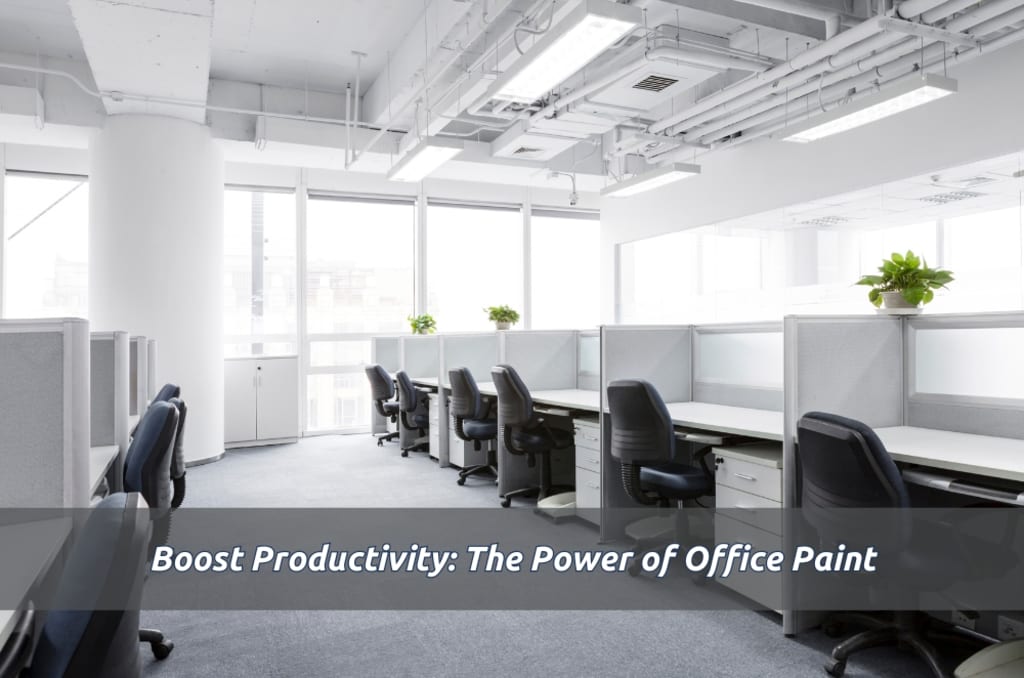
Have you ever walked into an office that felt more like a dreary dungeon than an innovation hub? Where the beige walls seemed to suck the life out of everyone, and motivation was as scarce as parking spots? Let's be honest: a dull, uninspiring workspace can be a significant productivity problem. That's where the often-underestimated power of office paint comes in. It can be more than just a formality; it becomes a strategic investment in the well-being of your staff and your bottom line to improve your office's environment with excellent, quality office painting. Read on to explore how the psychology of colour, clever use of colour, and even the finishes on the paints can affect output, creativity, and general workplace happiness. We'll look into how to pick the right colours for different work zones beyond merely just colour and provide working tips to plan your office paint project for the next quarter.
Psychology of colour in the workplace
Consider it: colour affects us. A bright red room will give you an energy boost, and a soft blue can soothe you. It's not an airy-fairy theory; it's a proven psychology: colours provoke emotions and change behaviour. So why shouldn't we utilise this potential in our offices?
- Blue: Most people associate this colour with focus and concentration. This is the ideal place for quiet work areas.
- Green: Calming, nature, and balance. Excellent for creating that feeling of well-being.
- Yellow: Stimulates creativity and optimism. Great for brainstorming areas.
- Red: Energetic and bold but overwhelming in large doses. Best used as an accent.
But it's much more than just splashing some paint on the walls. Furthermore, there are plenty of colour myths floating around. Like red - it's energising, yet an all-red office causes anxiety. It's all about balance. And, of course, cultural perceptions apply here. What is lucky in one culture completely differs in other cultures.
Diverse work styles-colours
Every place does not need to use office paint according to one specific measurement; work activities demand different atmospheres. Identify the functions of each particular place in the office and consider them when choosing a colour combination for that environment.
- Quiet zones are blue and greenish, or they might be white/beige or light grey. They encourage concentrated focus away from distractions.
- Collaboration and creativity: Warmer, more stimulating colours, such as yellow or orange, can be used in brainstorming areas to stimulate creativity and teamwork.
- Energy & motivation: Dramatic colours, such as red or more vivid yellows, can be used in active rooms, such as break rooms or gyms. This will heighten the energy and motivation level.
- Balance and well-being: An office requires balance. Use soothing, neutral colours and biophilic design elements to make the space harmonious and inviting. This is highly beneficial for employee well-being.
Beyond colour: Other options when painting an office
- Colour is just one aspect. Paint options extend far beyond colour for painting an office.
- Light reflectivity: How much light will it get in your office? Dark colours suck up light, and light colours let light bounce off them. Consider the painting's effect on natural light and artificial lighting.
- Paint finishes: Finishing matters. Matt finish conceals imperfections, and gloss finishes will be a clean-up joy but shiny. Satin falls right in between.
- Feature walls and accent colours: Don't be afraid to use feature walls to add a pop of colour or define different areas. Accent colours can also be used strategically to highlight architectural features.
- Acoustic considerations: Believe it or not, some paints have sound-dampening properties. If noise is a problem in your office, consider acoustic paint options. This is particularly relevant in open-plan offices.
Practical tips for office painting projects
Ready to get a brush? Hold your horses! A successful office paint project requires planning.
- Planning and preparation: Before thinking about paint, map out your project. What areas will you paint? What colours do you want? Do you need to repair any walls?
- Choosing the right paint: There are so many paint options! Consider VOC levels (volatile organic compounds – low VOC is better for air quality), durability, and cost.
- Working with professionals: While DIY is tempting, professional painters bring expertise and efficiency. They can also advise on colour choices and surface preparation. Engaging quality office painting services are often the best choice for a truly professional finish.
- Minimise downtime: Painting an office can be intrusive. Paint during off-hours or phase the project to minimise time lost.
Frequently Asked Questions
- How much does it cost to paint an office? The cost depends on the size of the office, the type of paint needed, and who you hire. Ask different painters for quotes to compare.
- How long does it take to paint an office? Again, that depends on the size and complexity of the job. Professional painters can complete a job much faster than DIYers.
- How do I maintain painted office walls? Generally, this is as simple as regular cleaning with a damp cloth. Avoid chemicals.
- What are VOCs? These are chemicals that, when released from paint, can be bad for you. Anything less than a Low VOC is a healthier choice. Which paint finish should I use? Consider how much traffic your area will receive and what look you prefer. Satin is a good choice for an office.
Conclusion
Office paint is not just aesthetic; it can drive productivity, comfort, and even the face of your company. By understanding the psychology of colour, incorporating varied work styles, and planning project details, you can create an office that encourages the team and sets your business on course for a bright future. Don't sell yourself short with a fresh coat of paint!
About the Creator
Keep reading
More stories from Evelyn Heard and writers in Journal and other communities.
Transform Your Workplace: Modern Office Design
Is it the time to do something with that dull, low-performing workspace? An optimised office space will positively impact employees' morale, levels of productivity, and success. The infusion of modern design elements in designing a place creates an innovative atmosphere to innovate and collaborate. Allow us to experience the best commercial painting in Brisbane for the staging of your office.
By Evelyn Heardabout a year ago in Journal
Do YouTubers Help Teach Self-Defense?
YouTube offers a lot of great how-tos on pretty much every topic, but you need to wade through a lot of garbage to get there. This definitely applies to learning self-defense; there are too many would-be gurus promising too much. Obviously, if you can afford lessons in a dojo or an afternoon class, go for it: It’s always better to learn with other people than it is alone, especially as you get more in-depth education, and having a resisting opponent is always better than just punching at shadows. However, some people don’t have access to a decent dojo or can’t afford one, so YouTube is their only option. Do whatever you feel necessary for your own defense, no matter what it takes.
By Jamais Jochimabout 18 hours ago in Journal
Smart phones, Humans and Aliens.
WARNING. I will be tapping into one of your favorite creative tensions: The absurdity of humans worshipping their glowing rectangles as if they were tiny oracles. There’s something deliciously poetic about that contradiction, and it lends itself beautifully to an instructive proviso.
By Novel Allen4 days ago in Poets


Comments
There are no comments for this story
Be the first to respond and start the conversation.