
BMI Calculator: Your Guide to Healthy Weight Management
In a world where health and fitness take center stage, maintaining a healthy weight is a primary goal for many.

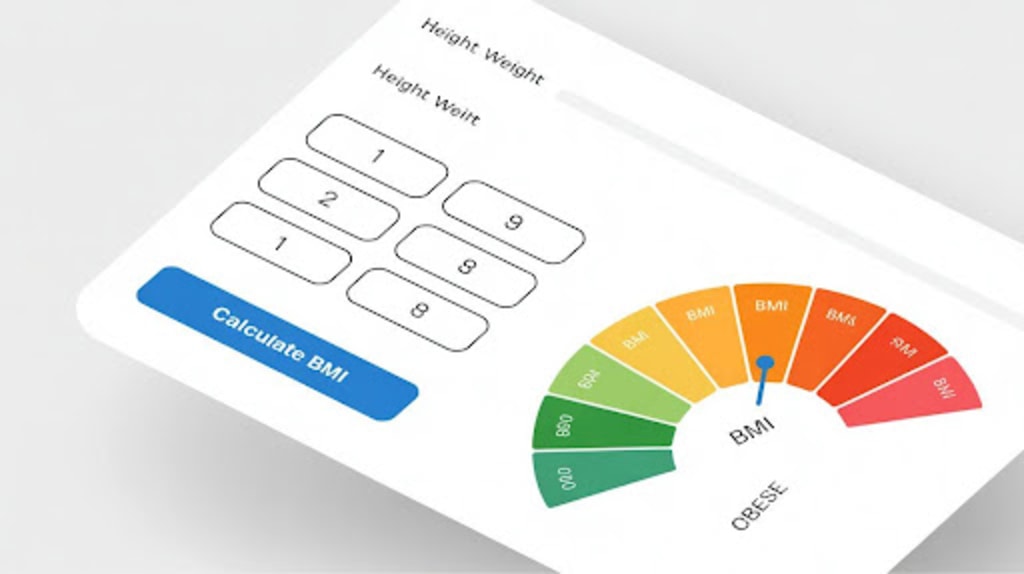
In a world where health and fitness take center stage, maintaining a healthy weight is a primary goal for many. Whether you're looking to lose weight, gain muscle, or simply stay in shape, understanding your body’s composition plays a crucial role. The Body Mass Index calculator is one of the most accessible tools used to gauge whether your weight is within a healthy range. In this comprehensive guide, we dive deep into everything you need to know about BMI calculators, how they work, why they matter, and how to make the most of them.
What is BMI?
The Body Mass Index (BMI) is a numerical value calculated using your weight and height. It helps assess whether you are underweight, at a healthy weight, overweight, or obese. BMI has been used for decades as a screening tool to identify potential health risks associated with body weight.
The BMI formula is simple and can be calculated as:
BMI=weight(kg)height(m)2BMI = \frac{weight(kg)}{height(m)^2}BMI=height(m)2weight(kg)
While BMI doesn’t directly measure body fat, it serves as an effective proxy, indicating whether you might be at risk for obesity-related health conditions or if you’re underweight and may be prone to nutritional deficiencies.
Why Is BMI Important?
BMI calculators are not just numbers on a screen—they provide valuable insights into your overall health. Here’s why BMI matters:
Health Risk Indicator: BMI categorizes individuals into different weight groups (underweight, normal weight, overweight, or obese). Being either underweight or overweight can increase the risk of various health conditions.
High BMI (Overweight/Obesity): Increases the risk of chronic diseases like heart disease, stroke, type 2 diabetes, hypertension, and even certain types of cancer.
Low BMI (Underweight): Linked to an increased risk of malnutrition, weakened immune systems, osteoporosis, and fertility issues.
Easy to Calculate: BMI provides a simple, quick, and cost-effective way for individuals and healthcare providers to assess whether someone is at a healthy weight based on their height and weight. It requires no special equipment, and it’s easy to use with online BMI calculators or apps.
Tracking Weight Over Time: Using BMI regularly can help you monitor your weight status over time, whether you are in the normal range, at risk, or need to make changes to your lifestyle. Tracking BMI can provide motivation to maintain a healthy weight or take action to improve your health.
How Does the BMI Calculator Work?
Using a BMI calculator is quick and simple. Here’s how it works:
Step 1: Measure your weight (in kilograms or pounds). If your weight is in pounds, divide it by 2.2046 to convert it to kilograms.
Step 2: Measure your height (in meters or feet). If your height is in feet and inches, convert it to meters by multiplying by 0.3048 (feet) and adding the inches converted into meters.
Step 3: Input the values into a BMI calculator to get your BMI. Many apps and websites offer free tools that calculate your BMI once you input your measurements.
After entering your details, your result will fall into one of the following categories:
Underweight: BMI less than 18.5
Normal Weight: BMI between 18.5 and 24.9
Overweight: BMI between 25 and 29.9
Obesity: BMI of 30 or greater
The Different Categories and What They Mean
While BMI doesn’t give a perfect picture of your health, it helps provide a general idea. Here’s a breakdown of the categories:
Underweight (BMI < 18.5): Indicates a possible risk of malnutrition, weakened immune system, and other health issues. It may also suggest insufficient nutrient intake.
Normal Weight (BMI 18.5 - 24.9): This is considered a healthy weight range, where you are at a lower risk of developing weight-related health problems. It reflects a balanced body composition.
Overweight (BMI 25 - 29.9): Individuals in this category may be at risk for developing obesity-related diseases such as high blood pressure, diabetes, and heart disease. Lifestyle changes such as diet and exercise may be necessary.
Obesity (BMI ≥ 30): Obesity is a serious health condition that significantly increases the risk of chronic diseases like diabetes, cardiovascular diseases, and joint problems. A healthcare provider’s guidance is recommended for weight management.
BMI Calculator Limitations
While BMI calculators are useful tools, they have certain limitations that should be kept in mind. It is important not to rely solely on BMI when assessing overall health. Here are some drawbacks:
Doesn’t Differentiate Between Fat and Muscle: BMI treats muscle mass and body fat the same, meaning an athlete with high muscle mass may be classified as overweight or obese, even though they have a low body fat percentage.
Doesn’t Consider Fat Distribution: BMI does not measure where the fat is located in your body. Individuals with the same BMI might have different health risks depending on how fat is distributed (e.g., abdominal fat vs. hip fat).
Not Ideal for Children or Seniors: BMI calculations for children differ from adults because of their changing body composition during growth. Similarly, BMI may not be as accurate for older adults, who may have lost muscle mass.
Doesn’t Account for Ethnicity: Certain populations, such as South Asians, may have a higher risk of developing health issues at lower BMIs compared to other populations.
Alternatives to BMI for a Better Health Assessment
While BMI provides useful information, it’s just one part of the puzzle. For a more accurate understanding of health, consider these alternatives:
Body Fat Percentage: A more accurate measurement of body fat that is less influenced by muscle mass. It tells you how much of your body is made up of fat, which is a key indicator of overall health.
Waist-to-Hip Ratio (WHR): This ratio compares the size of your waist to your hips. It is a strong indicator of visceral fat, the fat around your organs, which is more dangerous than fat stored in other areas.
Waist Circumference: A larger waist circumference is associated with a higher risk of developing heart disease and diabetes. A simple tape measure can provide valuable insights.
Waist-to-Height Ratio: This ratio is increasingly considered a more accurate predictor of health risks related to obesity and is often recommended as an alternative to BMI.
Why Should You Track Your BMI?
Tracking your BMI is an important step in maintaining a healthy lifestyle. Regularly checking your BMI can help you identify any changes in your weight status and take timely actions. Whether you're maintaining a healthy weight or trying to achieve one, your BMI can serve as a helpful guide.
How to Maintain a Healthy BMI
Here are some effective ways to maintain a healthy BMI:
Stay Active: Engage in at least 150 minutes of moderate-intensity exercise per week, including cardio, strength training, and flexibility exercises.
Healthy Eating: Focus on a balanced diet rich in whole foods, including fruits, vegetables, whole grains, and lean proteins. Minimize processed foods and sugary beverages.
Hydrate Well: Drinking enough water supports metabolic functions, digestion, and overall wellness.
Manage Stress: Chronic stress can impact your hormones and lead to weight gain. Practicing mindfulness or engaging in relaxation activities like yoga can help manage stress.
Get Enough Sleep: Sleep plays a significant role in regulating metabolism and controlling hunger hormones. Aim for 7-8 hours of quality sleep each night.
Conclusion
The BMI calculator is an effective and straightforward tool to assess whether your weight is within a healthy range. While it is not a perfect measure of body composition, it offers a quick and easy way to gauge potential health risks. To get a clearer picture of your overall health, consider using BMI in conjunction with other measurements like waist circumference or body fat percentage. Remember, your health is about more than just a number—it's about making informed decisions to maintain a balanced and active lifestyle.
About the Creator
Keep reading
More stories from Solution Boxes and writers in Journal and other communities.
Exploring FintechZoom .io: A Comprehensive Financial Platform
Introduction In today’s rapidly evolving financial landscape, access to accurate real-time data, insightful market analysis, and educational tools is crucial for making informed investment decisions. FintechZoom .io is one of the platforms that have emerged to meet these demands, providing investors, traders, and learners with a comprehensive solution for navigating the complexities of financial markets.
By Solution Boxes5 months ago in Journal




Comments
There are no comments for this story
Be the first to respond and start the conversation.